Wellness Wednesday: menopause, night owls, and the psychology of running late
February 4, 2026 - 20:33
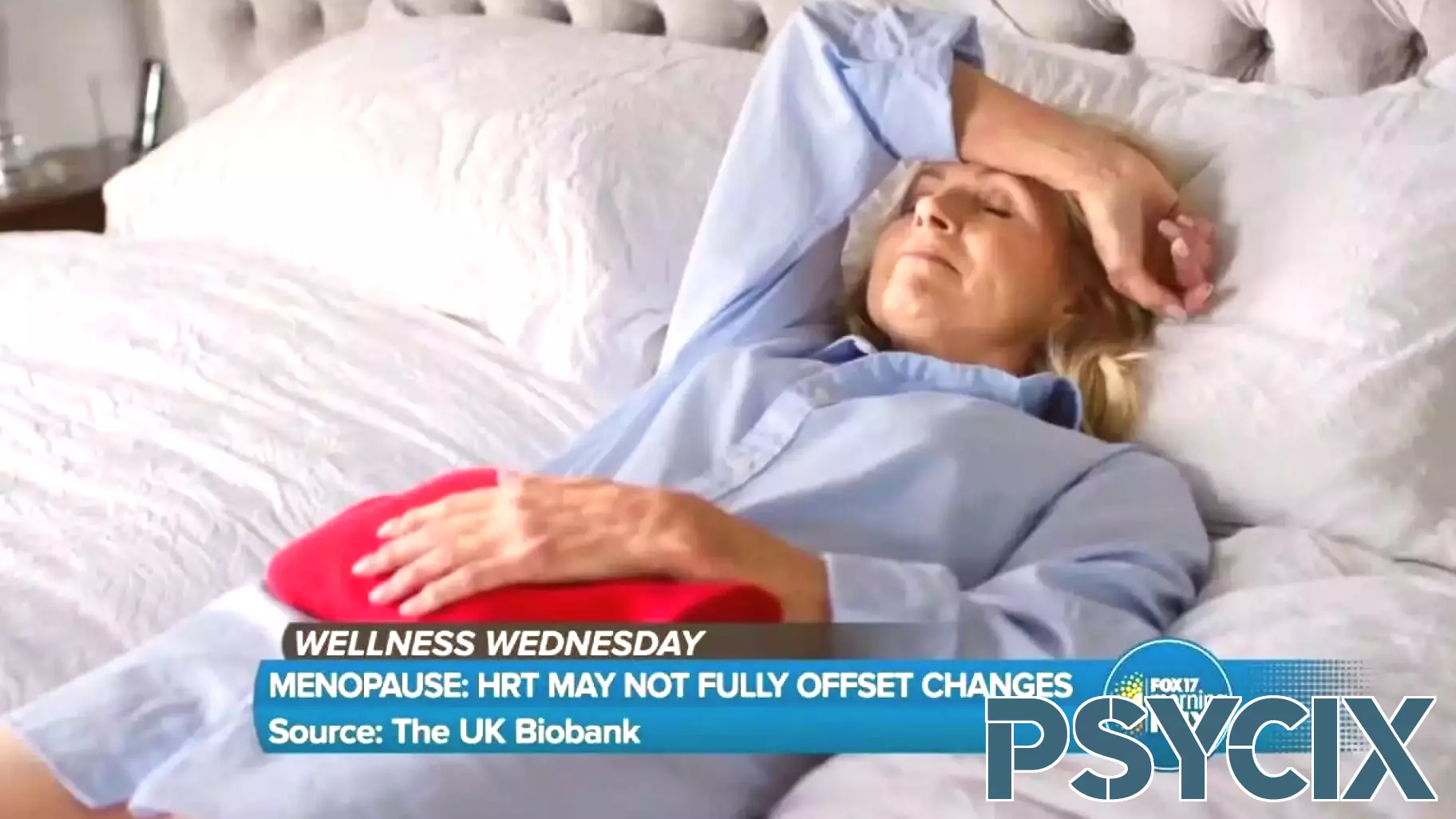
This week's wellness insights delve into three distinct yet impactful areas of daily life, from long-term health transitions to everyday habits.
New research is broadening the understanding of menopause, moving beyond physical symptoms to consider its significant cognitive and emotional effects. Experts emphasize the importance of holistic management strategies that address these comprehensive changes for improved quality of life.
In sleep science, studies on "night owls" reveal that individuals with naturally late chronotypes may face more than social inconvenience. This ingrained sleep-wake cycle can be linked to specific health challenges, suggesting a need for greater societal accommodation for different biological rhythms.
Meanwhile, the common frustration of running late is being examined through a psychological lens. Habitual tardiness is often less about poor time management and more deeply connected to personality traits, coping mechanisms for anxiety, or even subconscious perceptions of time. Addressing it effectively may require introspection into these underlying factors rather than simply setting clocks ahead.
These topics highlight the intricate connections between our biology, psychology, and overall well-being.
MORE NEWS

September 18, 2026 - 08:45
Psychology says people who stand in queue for hours to buy an iPhone aren't necessarily Apple fans, they mEvery September, crowds gather outside Apple stores around the world. Some arrive days early, armed with camping chairs and portable chargers. The behavior puzzles observers who note that the same...

September 17, 2026 - 20:04
My holiday is still a year away. It’s already boosting my mental healthThe countdown has begun, even if the calendar says otherwise. We are still months from ordering our first suspiciously expensive waterside cocktail, but Greece has joyfully entered the group chat....

September 17, 2026 - 15:41
The 'Hibernation Instinct' Is Real — This Is the Psychology Behind the Desire to Hunker Down When the Weather Starts to ShiftThe urge to retreat indoors when temperatures drop is not laziness. It is biology. Researchers describe a hibernation instinct that lingers in humans, a leftover from ancestors who conserved energy...

September 16, 2026 - 19:19
Psychology explains why parents keep old toys for years even when they are broken, unused or no longer neeParents often keep old toys long after children have outgrown them. The items may be broken, missing pieces, or stored in boxes for years. Psychology offers a clear explanation for this behavior....