Cut the number of choices you make each day. Your brain will thank you
August 3, 2026 - 01:05
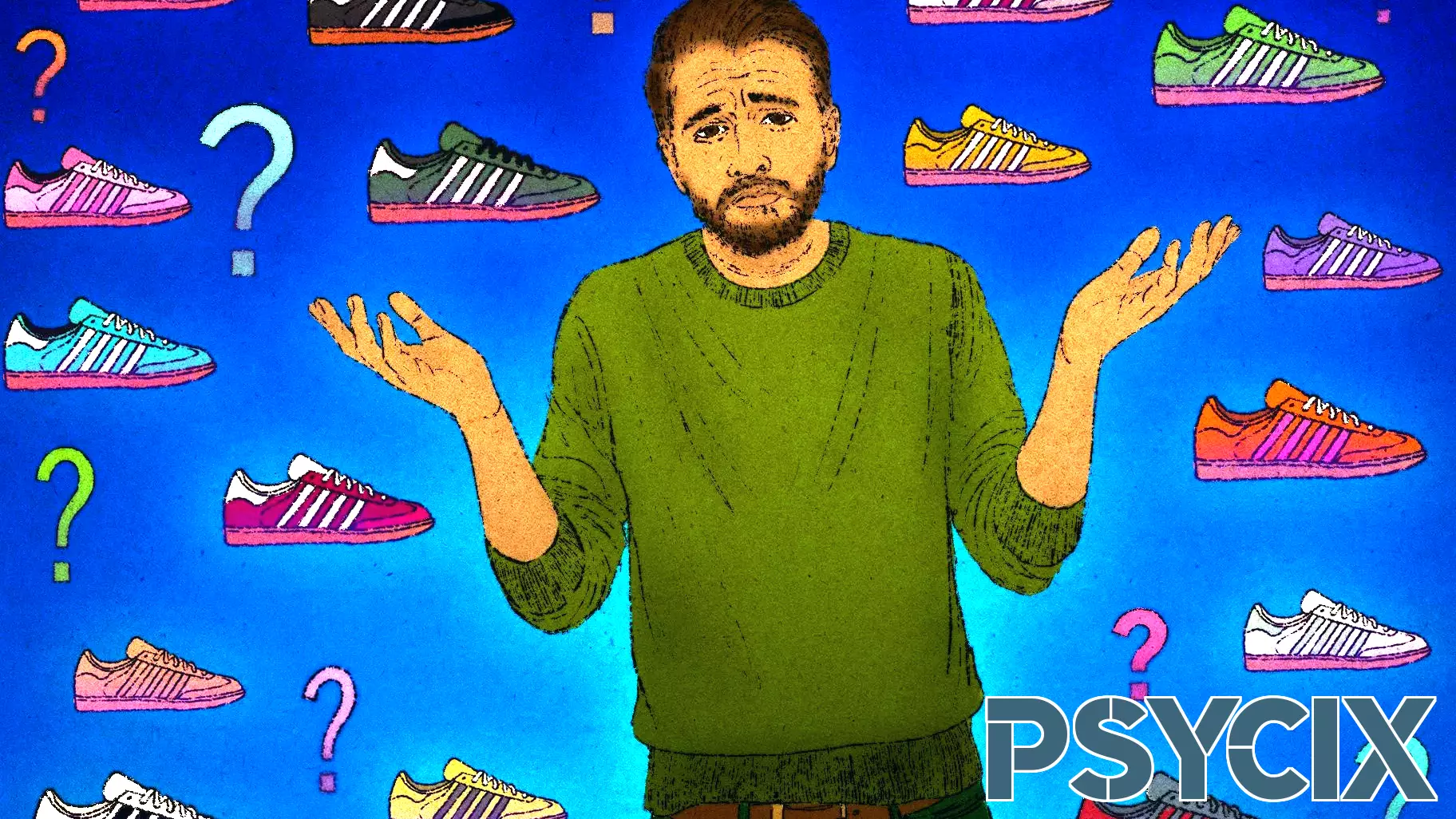
Most people assume that having more choices is a good thing. But a growing body of research suggests the opposite. When you face too many options, your brain pays a price. Psychologists call this decision fatigue, and it can quietly drain your energy before you even get to the important stuff.
Think about a typical morning. What to wear, what to eat for breakfast, which route to take to work, which podcast to play. Each one seems trivial. But together, they stack up. By the time you sit down at your desk, your mental reserves are already partially spent. That is why you might find yourself staring at a blank screen or feeling irritable over a small email.
Studies show that people who face a large menu of choices often feel more anxious and less satisfied with what they pick. They second-guess themselves. They worry about missing out on a better option. This can lead to paralysis, where you avoid deciding altogether.
The fix is not complicated, but it takes practice. Set routines for the low-stakes parts of your day. Wear the same few outfits. Eat the same breakfast. Automate small things like your coffee order or your gym time. Save your mental energy for decisions that actually matter, like a project at work or a conversation with a friend.
Cutting the number of choices is not about living a boring life. It is about protecting your focus. When you stop wasting brainpower on the trivial, you free yourself up for the things that really deserve your attention. And your mind will feel lighter for it.
MORE NEWS

September 16, 2026 - 19:19
Psychology explains why parents keep old toys for years even when they are broken, unused or no longer neeParents often keep old toys long after children have outgrown them. The items may be broken, missing pieces, or stored in boxes for years. Psychology offers a clear explanation for this behavior....

September 16, 2026 - 15:52
The Trust Gap: Why AI Disclosure Creates a Psychological ParadoxPeople tend to have a negative bias toward AI interactions. When told a machine is involved, they often trust the output less, even if the information is identical to what a human would provide....

September 15, 2026 - 18:20
Why Walking With Hands Behind Your Back Signals Calm and ControlWalking with your hands clasped behind your back is not just a random habit. According to body language research, it reflects a specific mental state tied to authority, confidence, and self-control...

September 15, 2026 - 00:54
Understanding Ambivalence: A Marin Resident's Insight`Few important things in life turn out to be simple either-or decisions,` writes David Reinstein, a retired psychotherapist living in San Anselmo. In his recent exploration of ambivalence,...