Unveiling Hidden Intelligence: Ten Signs You Might Be Smarter Than You Think
December 14, 2025 - 11:13
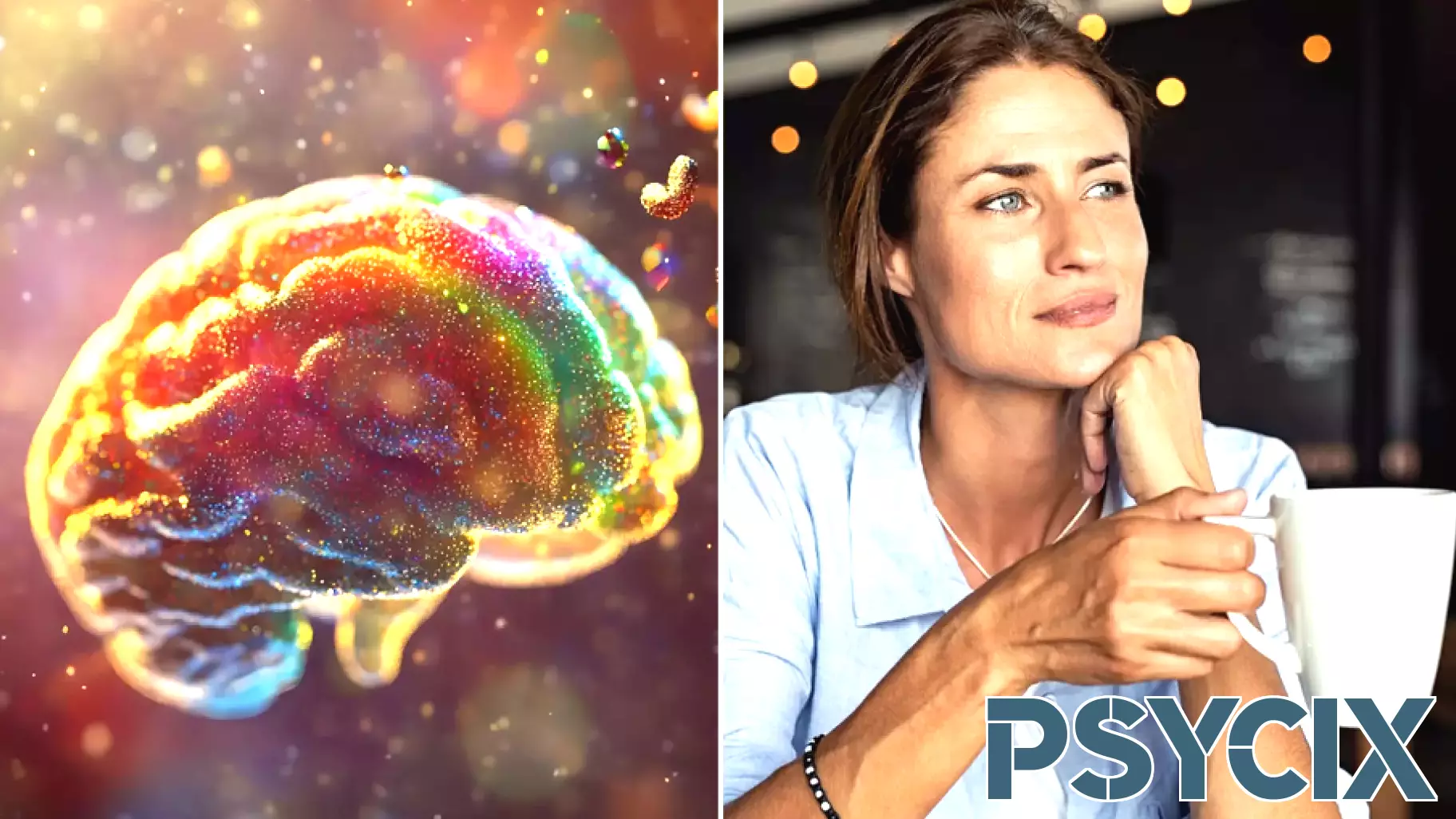
It isn't about solving complex math equations; true intelligence often hides in how you listen, adapt, and handle change. Psychologists have identified various subtle indicators that may suggest someone possesses a high level of intelligence without even realizing it.
One key sign is the ability to think critically and question the status quo. Individuals who are open-minded and curious tend to explore ideas deeply, often leading to innovative solutions. Another indicator is a strong sense of empathy; those who can understand and share the feelings of others often have a heightened awareness of their surroundings and social dynamics.
Additionally, a knack for adapting to new situations can signify intelligence. People who thrive in changing environments often demonstrate flexibility in their thinking. Effective communication skills, including the ability to listen actively and engage in meaningful conversations, also point to a deeper cognitive ability.
Finally, a passion for learning and a tendency to seek knowledge beyond formal education are hallmarks of hidden intelligence. Recognizing these traits can help individuals appreciate their own intellectual capabilities, even if they don’t fit the traditional mold of intelligence.
MORE NEWS

October 8, 2026 - 15:57
Imitation Is How Children Learn More Than Just WordsWhen a toddler suddenly starts echoing a parent`s words, facial expressions or gestures, it can look like simple mimicry. Developmental psychology research, however, shows that imitation is closely...
October 7, 2026 - 21:42
Geisinger Excited About Teaching at SCCKate Geisinger has joined Southeastern Community College as a full-time psychology instructor, bringing with her a strong commitment to student learning and intellectual growth. Geisinger says her...

October 7, 2026 - 03:39
Associate professor of psychology brings evidence-based mental wellness support directly to college studentsKaileigh Byrne, Wallace R. Roy Distinguished Associate Professor of psychology in the College of Behavioral, Social and Health Sciences, has spent years studying how people make decisions under...

October 6, 2026 - 01:22
Inside the Mind: How SailGP Teams Handle Pressure and Build Winning CulturesThe human side of elite sailing takes center stage in the newest chapter of SailGP`s documentary series Racing on the Edge, created alongside Rolex. This installment shifts focus away from boat...