Understanding the Mental Barriers to Climate Policy Action
September 19, 2025 - 07:17

Recent studies suggest that human psychology plays a significant role in the challenges surrounding climate policy implementation. Many individuals find it difficult to engage with the climate crisis, often perceiving it as a distant threat rather than an immediate concern. This disconnect can lead to what experts describe as "climate policy paralysis," where necessary actions are stalled due to a lack of urgency or emotional connection.
The human brain is inherently wired to prioritize immediate threats over long-term issues, which complicates the public's response to climate change. As a result, policymakers are urged to craft messages that resonate on an emotional level. By appealing to people's instincts and feelings, rather than relying solely on facts and statistics, climate advocates can foster a sense of urgency and personal responsibility.
Effective climate communication should aim to create relatable narratives that emphasize the immediate impacts of climate change on daily life. Engaging storytelling and visual imagery can evoke emotional responses, ultimately motivating individuals and communities to support sustainable policies and practices. By addressing the psychological barriers to climate action, we can pave the way for more effective and responsive climate policies.
MORE NEWS

October 8, 2026 - 15:57
Imitation Is How Children Learn More Than Just WordsWhen a toddler suddenly starts echoing a parent`s words, facial expressions or gestures, it can look like simple mimicry. Developmental psychology research, however, shows that imitation is closely...
October 7, 2026 - 21:42
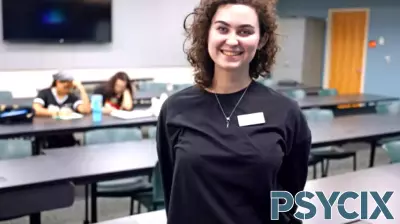
Geisinger Excited About Teaching at SCCKate Geisinger has joined Southeastern Community College as a full-time psychology instructor, bringing with her a strong commitment to student learning and intellectual growth. Geisinger says her...

October 7, 2026 - 03:39
Associate professor of psychology brings evidence-based mental wellness support directly to college studentsKaileigh Byrne, Wallace R. Roy Distinguished Associate Professor of psychology in the College of Behavioral, Social and Health Sciences, has spent years studying how people make decisions under...

October 6, 2026 - 01:22
Inside the Mind: How SailGP Teams Handle Pressure and Build Winning CulturesThe human side of elite sailing takes center stage in the newest chapter of SailGP`s documentary series Racing on the Edge, created alongside Rolex. This installment shifts focus away from boat...