Understanding the Allure of Feel-Good Holiday Movies
December 22, 2024 - 23:53
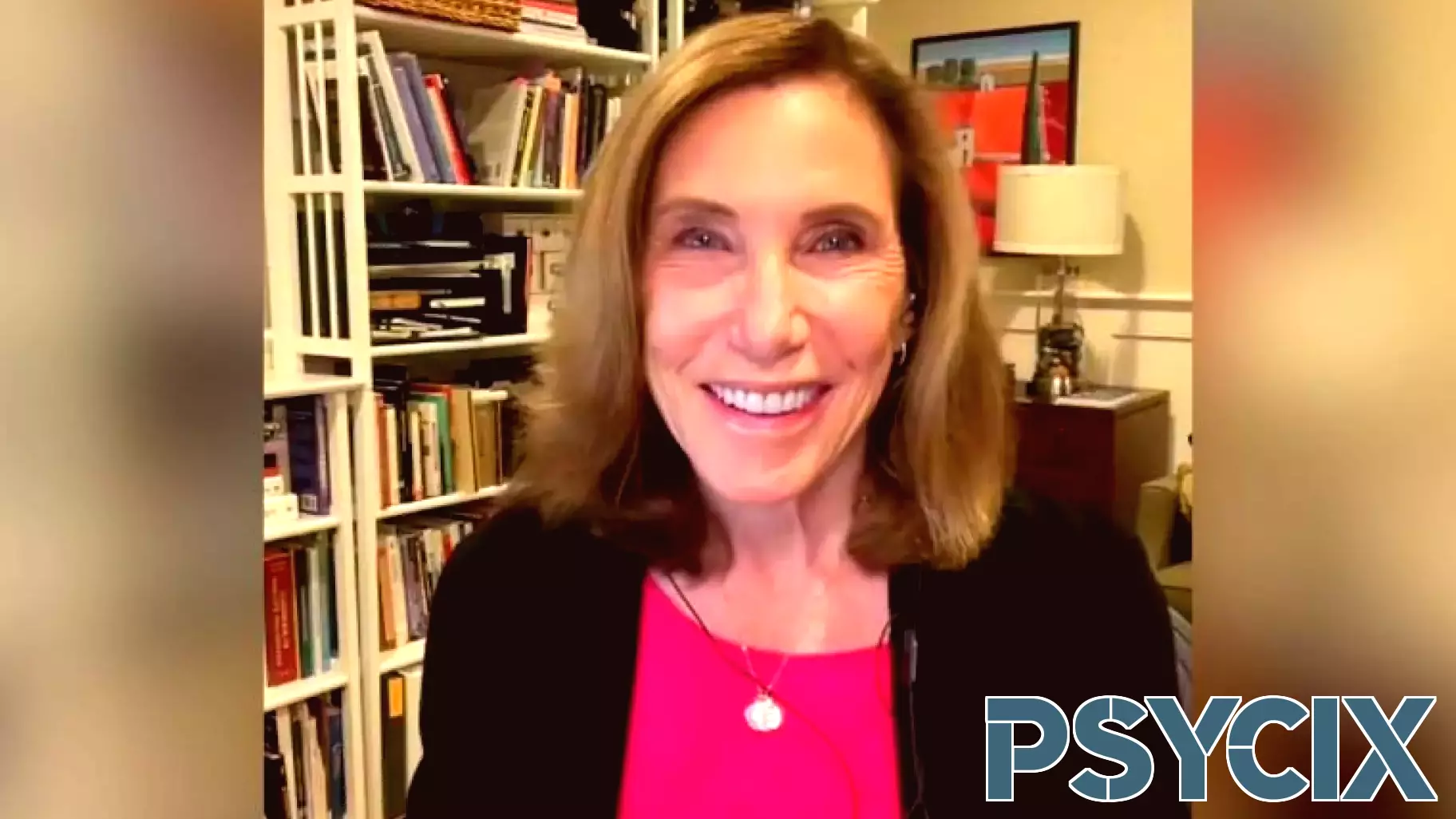
Dr. Pamela Rutledge, Director of the Media Psychology Research Center, sheds light on the psychological appeal of holiday films that prioritize feel-good narratives and predictable plots. According to Dr. Rutledge, these movies often provide a comforting escape from the stresses of daily life. The familiarity of the storylines can evoke nostalgia, allowing viewers to relive cherished memories associated with the holiday season.
Moreover, the predictable nature of these films offers a sense of safety and reassurance. In a world filled with uncertainties, audiences find solace in knowing that, despite the challenges faced by the characters, everything will typically resolve positively by the end. This predictability not only enhances enjoyment but also fosters a sense of connection among viewers, as shared experiences of joy and warmth are often central themes.
Additionally, holiday movies often emphasize themes of love, family, and togetherness, resonating deeply with viewers during a season that celebrates these values. As a result, these films become a cherished part of holiday traditions, creating a collective experience that brings people closer together.
MORE NEWS

October 9, 2026 - 01:11
Psychology Professors Raise Concerns About AI Dependence in StudentsPsychology professors are expressing growing concern that students` increasing reliance on artificial intelligence tools may be weakening essential cognitive and academic skills. In a recent...

October 8, 2026 - 15:57
Imitation Is How Children Learn More Than Just WordsWhen a toddler suddenly starts echoing a parent`s words, facial expressions or gestures, it can look like simple mimicry. Developmental psychology research, however, shows that imitation is closely...
October 7, 2026 - 21:42
Geisinger Excited About Teaching at SCCKate Geisinger has joined Southeastern Community College as a full-time psychology instructor, bringing with her a strong commitment to student learning and intellectual growth. Geisinger says her...

October 7, 2026 - 03:39
Associate professor of psychology brings evidence-based mental wellness support directly to college studentsKaileigh Byrne, Wallace R. Roy Distinguished Associate Professor of psychology in the College of Behavioral, Social and Health Sciences, has spent years studying how people make decisions under...