Understanding Modern Struggles: From Parking Woes to Binge-Watching Habits
December 13, 2025 - 02:42

In today's fast-paced world, many individuals find themselves grappling with everyday tasks that seem simple yet can feel overwhelmingly challenging. Research suggests that our brains are not fully equipped to handle the complexities of modern life. This disconnect manifests in various behaviors, such as poor parking skills, difficulties in managing passwords, and the tendency to binge-watch television shows.
The phenomenon of binge-watching, for instance, can be attributed to the brain's reward system, which is easily stimulated by the instant gratification of watching multiple episodes in one sitting. Similarly, when it comes to parking, cognitive overload can lead to suboptimal decision-making, resulting in awkwardly parked cars.
Even mundane tasks like splitting a check can become sources of stress, as social dynamics and numerical calculations clash in our minds. Understanding these behaviors can help individuals navigate their daily lives more effectively, shedding light on why seemingly trivial tasks can feel so daunting in the modern age.
MORE NEWS

October 9, 2026 - 01:11
Psychology Professors Raise Concerns About AI Dependence in StudentsPsychology professors are expressing growing concern that students` increasing reliance on artificial intelligence tools may be weakening essential cognitive and academic skills. In a recent...

October 8, 2026 - 15:57
Imitation Is How Children Learn More Than Just WordsWhen a toddler suddenly starts echoing a parent`s words, facial expressions or gestures, it can look like simple mimicry. Developmental psychology research, however, shows that imitation is closely...
October 7, 2026 - 21:42
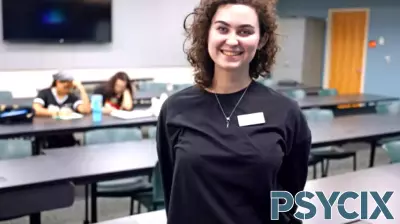
Geisinger Excited About Teaching at SCCKate Geisinger has joined Southeastern Community College as a full-time psychology instructor, bringing with her a strong commitment to student learning and intellectual growth. Geisinger says her...

October 7, 2026 - 03:39
Associate professor of psychology brings evidence-based mental wellness support directly to college studentsKaileigh Byrne, Wallace R. Roy Distinguished Associate Professor of psychology in the College of Behavioral, Social and Health Sciences, has spent years studying how people make decisions under...