Understanding Love Language Mismatches in Relationships
November 18, 2025 - 22:37
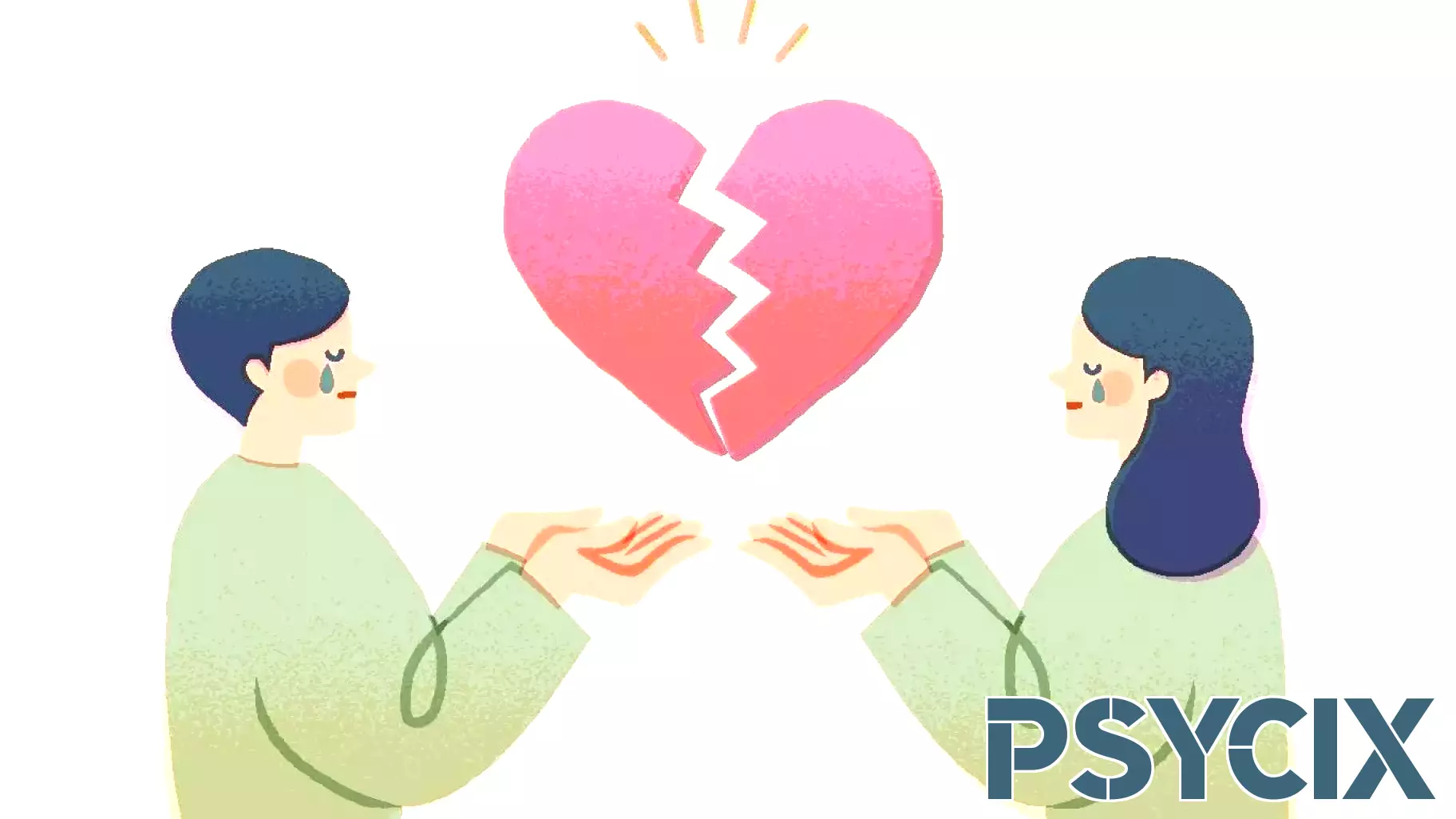
A love language mismatch is not a sign of something being broken; rather, it indicates that the relationship requires a bit more attention and understanding. Love languages, a concept popularized by Dr. Gary Chapman, refer to the different ways individuals express and receive love. These can include acts of service, words of affirmation, receiving gifts, quality time, and physical touch. When partners have differing love languages, it can lead to misunderstandings and feelings of neglect.
To navigate this challenge, communication is key. Couples should openly discuss their love languages and express their needs and preferences without judgment. This dialogue fosters empathy and allows partners to understand each other better.
Additionally, couples can make a conscious effort to speak each other's love languages. For instance, if one partner values quality time while the other prefers acts of service, they can plan activities that incorporate both elements. By embracing these differences, couples can enrich their relationship and deepen their emotional connection.
MORE NEWS
October 7, 2026 - 21:42
Geisinger Excited About Teaching at SCCKate Geisinger has joined Southeastern Community College as a full-time psychology instructor, bringing with her a strong commitment to student learning and intellectual growth. Geisinger says her...

October 7, 2026 - 03:39
Associate professor of psychology brings evidence-based mental wellness support directly to college studentsKaileigh Byrne, Wallace R. Roy Distinguished Associate Professor of psychology in the College of Behavioral, Social and Health Sciences, has spent years studying how people make decisions under...

October 6, 2026 - 01:22
Inside the Mind: How SailGP Teams Handle Pressure and Build Winning CulturesThe human side of elite sailing takes center stage in the newest chapter of SailGP`s documentary series Racing on the Edge, created alongside Rolex. This installment shifts focus away from boat...
October 5, 2026 - 16:02
‘No Accountability, No Justice, and No Integrity’A bipartisan federal advisory committee has recommended that the U.S. Department of Education suspend its recognition of the American Psychological Association`s accrediting body, citing what...