Understanding How Certain Traits Can Drive Partners Away
April 25, 2025 - 15:54

Navigating the landscape of relationships isn’t always simple. Sometimes, despite our best intentions, we end up pushing away the very people we yearn to keep close. It’s an unconscious act that can stem from various traits and behaviors that may not be immediately recognizable.
Psychology suggests that certain characteristics can create barriers in romantic relationships. For instance, excessive jealousy can lead to mistrust, causing partners to feel suffocated. Similarly, a lack of communication skills can result in misunderstandings, creating emotional distance. Additionally, those who exhibit controlling behaviors often find that their partners feel trapped, leading to resentment and eventual separation.
Insecurity is another significant factor; individuals who constantly seek validation may inadvertently push their partners away, as this can create an imbalance in the relationship. Furthermore, a tendency to be overly critical can erode a partner's self-esteem, making them feel unappreciated.
Understanding these traits is crucial for fostering healthier relationships. By recognizing and addressing these behaviors, individuals can work towards building stronger, more fulfilling connections with their partners.
MORE NEWS

October 9, 2026 - 01:11
Psychology Professors Raise Concerns About AI Dependence in StudentsPsychology professors are expressing growing concern that students` increasing reliance on artificial intelligence tools may be weakening essential cognitive and academic skills. In a recent...

October 8, 2026 - 15:57
Imitation Is How Children Learn More Than Just WordsWhen a toddler suddenly starts echoing a parent`s words, facial expressions or gestures, it can look like simple mimicry. Developmental psychology research, however, shows that imitation is closely...
October 7, 2026 - 21:42
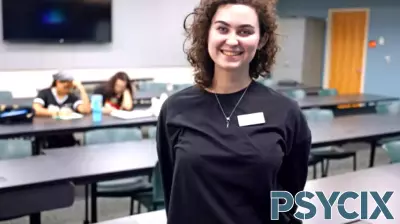
Geisinger Excited About Teaching at SCCKate Geisinger has joined Southeastern Community College as a full-time psychology instructor, bringing with her a strong commitment to student learning and intellectual growth. Geisinger says her...

October 7, 2026 - 03:39
Associate professor of psychology brings evidence-based mental wellness support directly to college studentsKaileigh Byrne, Wallace R. Roy Distinguished Associate Professor of psychology in the College of Behavioral, Social and Health Sciences, has spent years studying how people make decisions under...