UConn's Damion Grasso Appointed President-Elect of the Society of Clinical Psychology
June 25, 2025 - 01:56
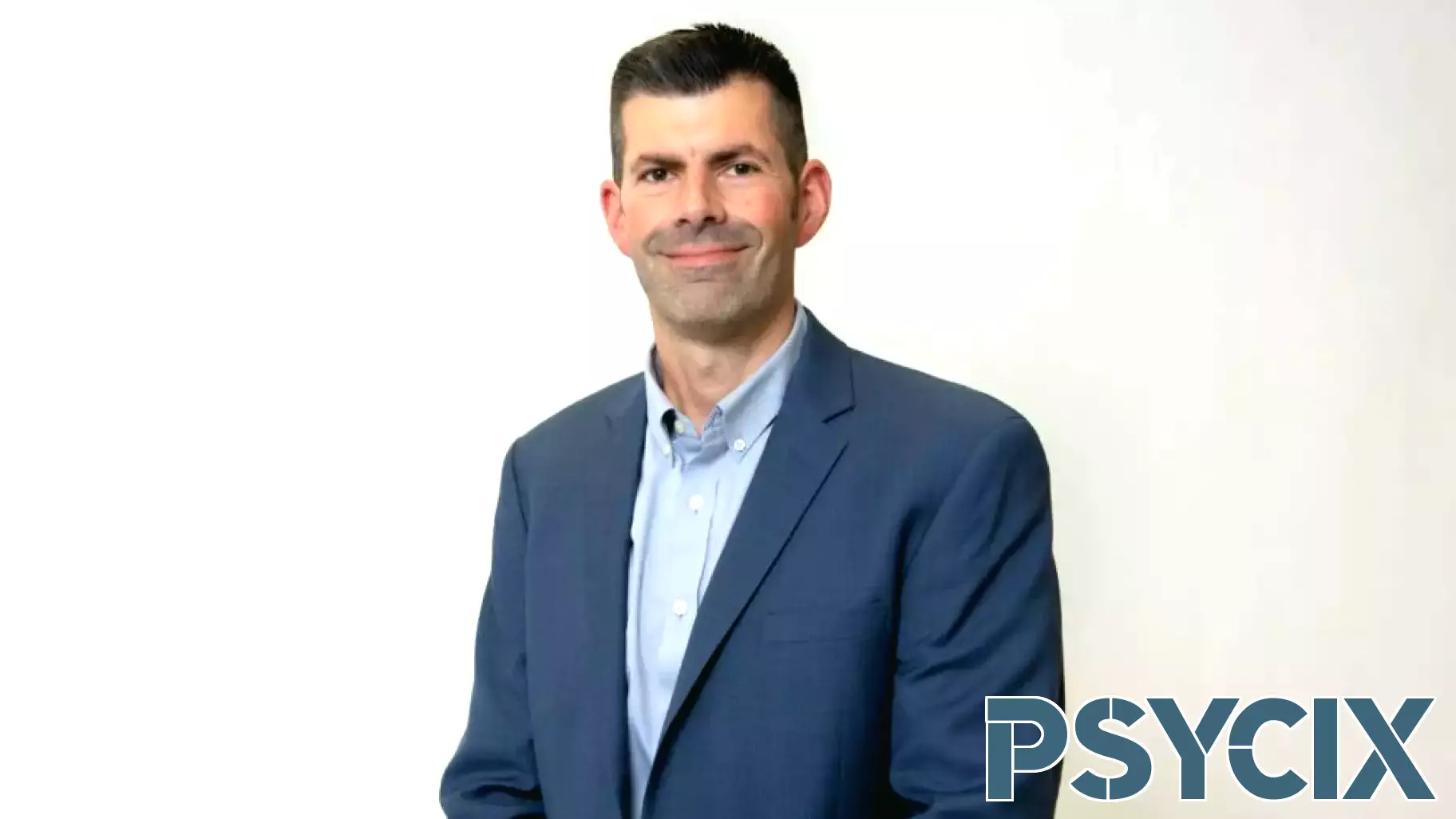
Damion Grasso, Ph.D., a prominent figure at the UConn School of Medicine, has been appointed as the President-Elect of the Society of Clinical Psychology. This prestigious position recognizes his significant contributions to the field of clinical psychology and his commitment to advancing research and practice in mental health.
Dr. Grasso has an extensive background in trauma and resilience, focusing on how individuals cope with and recover from traumatic experiences. His research has garnered attention for its innovative approaches and practical implications, making a positive impact on both academic and clinical settings.
As President-Elect, Dr. Grasso will play a crucial role in shaping the future direction of the Society, which is dedicated to promoting the discipline of clinical psychology and supporting professionals in the field. His leadership is expected to inspire new initiatives and foster collaboration among psychologists, ultimately enhancing the quality of mental health care provided to diverse populations.
MORE NEWS

October 8, 2026 - 15:57
Imitation Is How Children Learn More Than Just WordsWhen a toddler suddenly starts echoing a parent`s words, facial expressions or gestures, it can look like simple mimicry. Developmental psychology research, however, shows that imitation is closely...
October 7, 2026 - 21:42
Geisinger Excited About Teaching at SCCKate Geisinger has joined Southeastern Community College as a full-time psychology instructor, bringing with her a strong commitment to student learning and intellectual growth. Geisinger says her...

October 7, 2026 - 03:39
Associate professor of psychology brings evidence-based mental wellness support directly to college studentsKaileigh Byrne, Wallace R. Roy Distinguished Associate Professor of psychology in the College of Behavioral, Social and Health Sciences, has spent years studying how people make decisions under...

October 6, 2026 - 01:22
Inside the Mind: How SailGP Teams Handle Pressure and Build Winning CulturesThe human side of elite sailing takes center stage in the newest chapter of SailGP`s documentary series Racing on the Edge, created alongside Rolex. This installment shifts focus away from boat...