Transforming Bias Reduction Through Virtual Reality
November 29, 2024 - 05:13

Virtual reality (VR) is revolutionizing the approach to understanding and addressing prejudice by providing immersive experiences that foster empathy and promote social change. This innovative technology allows individuals to step into the shoes of others, experiencing life from different perspectives. By simulating real-world scenarios, VR can effectively highlight the biases and challenges faced by marginalized groups, encouraging users to reflect on their own beliefs and attitudes.
Research indicates that these immersive experiences can lead to significant shifts in perception, making participants more aware of their implicit biases. VR applications are being developed for various settings, including educational institutions, workplaces, and community outreach programs. These programs aim to create a safe space for dialogue and understanding, enabling participants to confront their prejudices in a controlled environment.
As VR technology continues to advance, its potential for prejudice reduction becomes increasingly evident. By harnessing the power of empathy, virtual reality is paving the way for a more inclusive society, fostering connections and understanding among diverse populations.
MORE NEWS

October 8, 2026 - 15:57
Imitation Is How Children Learn More Than Just WordsWhen a toddler suddenly starts echoing a parent`s words, facial expressions or gestures, it can look like simple mimicry. Developmental psychology research, however, shows that imitation is closely...
October 7, 2026 - 21:42
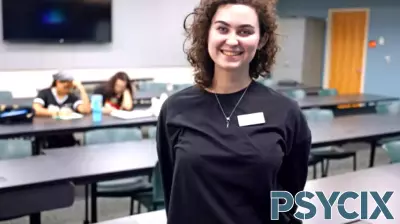
Geisinger Excited About Teaching at SCCKate Geisinger has joined Southeastern Community College as a full-time psychology instructor, bringing with her a strong commitment to student learning and intellectual growth. Geisinger says her...

October 7, 2026 - 03:39
Associate professor of psychology brings evidence-based mental wellness support directly to college studentsKaileigh Byrne, Wallace R. Roy Distinguished Associate Professor of psychology in the College of Behavioral, Social and Health Sciences, has spent years studying how people make decisions under...

October 6, 2026 - 01:22
Inside the Mind: How SailGP Teams Handle Pressure and Build Winning CulturesThe human side of elite sailing takes center stage in the newest chapter of SailGP`s documentary series Racing on the Edge, created alongside Rolex. This installment shifts focus away from boat...