Those We Love Are only Ever on Loan to Us
June 10, 2026 - 21:45
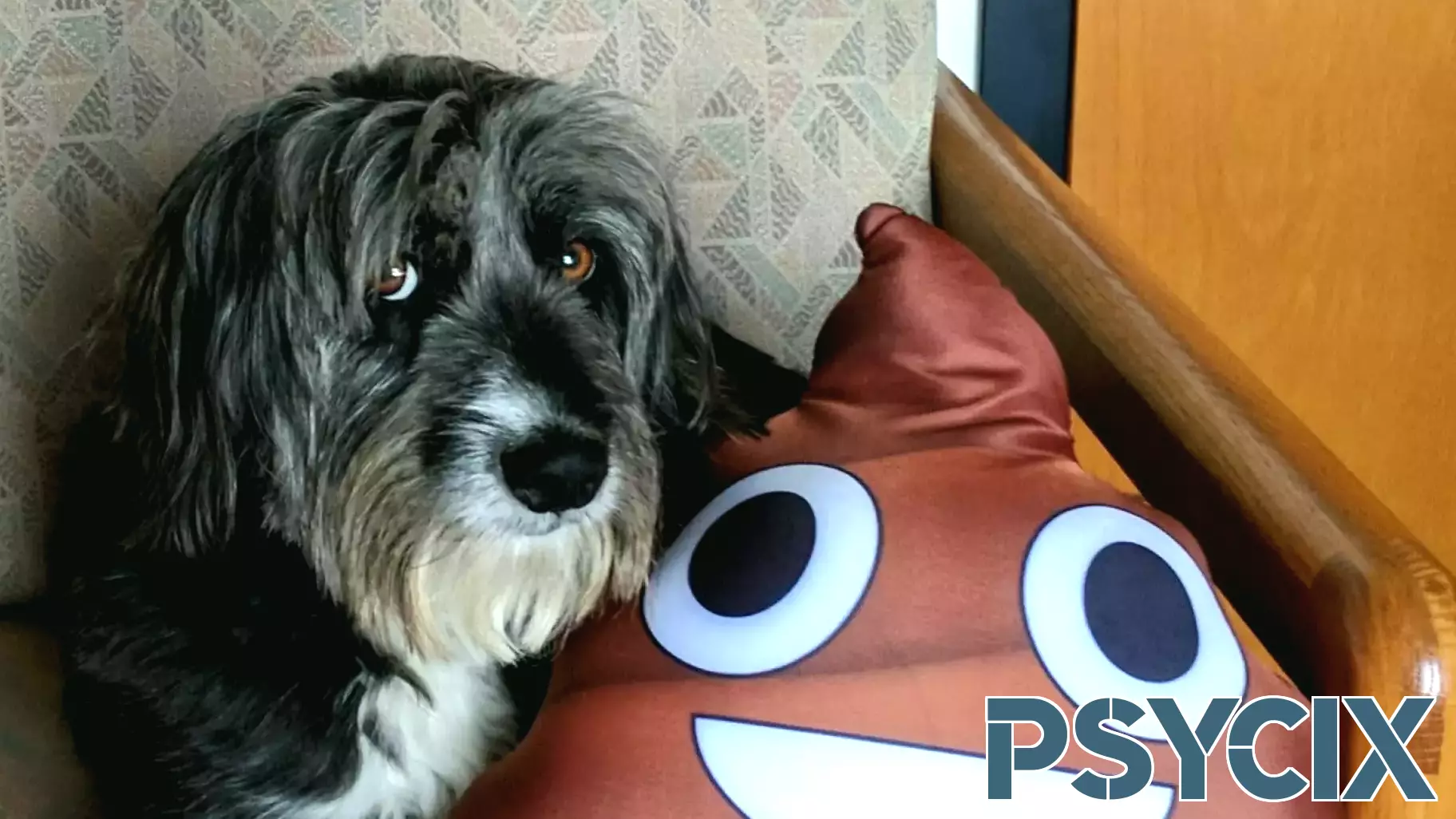
The ache of losing someone we love-whether a person or a pet-can feel like a sudden emptiness in the world. We are left behind, and the silence where their presence once lived can be deafening. In those moments, it is easy to feel alone, as if the bond has been severed completely.
But the ancient Stoics offer a different perspective. They remind us that those we love are never truly ours to keep. They are only ever on loan to us. This is not a cold or detached idea. It is a call to cherish the time we have, knowing that all things-people, animals, moments-are borrowed. When the loan is called in, the grief is real, but so is the lasting imprint.
The Stoic philosopher Seneca wrote that we should love as if we will one day lose. This sounds harsh, but it is actually a path to deeper gratitude. It frees us from the illusion of permanence. When we accept that loss is part of life, we can hold our loved ones more fully while they are here.
And after they are gone, we do not have to let go of them entirely. The Stoics believed that we carry the people we love within us. Their lessons, their quirks, their warmth-they live on in our memories and in the way we treat others. We continue to carry them so long as we live. Grief is not a sign of weakness. It is proof that the loan mattered. And in that way, they are never truly lost.
MORE NEWS

October 23, 2026 - 17:26
The First Corporate Psychopath Was a 17th Century Dutch MutineerA psychologist studying the wreck of the Dutch East India Company ship Batavia has identified what may be the first documented corporate psychopath: Jeronimus Cornelisz, an undermanager whose...
October 23, 2026 - 09:38
First-Year Seminar Examines the Psychology Behind Reality TVMillions of people tune into reality TV as a form of entertainment and escapism, watching regular people navigate bizarre scenarios. This year`s new First-Year Seminar, `The Psychology of Reality...

October 22, 2026 - 23:44
Why Investors Keep Getting in Their Own WaySay you buy shares in a company. The price climbs and months later you sell for a healthy profit. Ask why it worked, and the answer is often some version of `I made a good call.` Now imagine the...

October 22, 2026 - 01:07
The personality test grows up: Bettermind relaunches with a Mind Blueprint, five minutes a day and an eight-week clockA personality assessment platform is relaunching with a rebuilt system that trades lengthy questionnaires for short daily sessions and a structured timeline. The new approach centers on what the...