The Unsettling Reflection of AI: A Mirror to Humanity
February 14, 2025 - 23:54
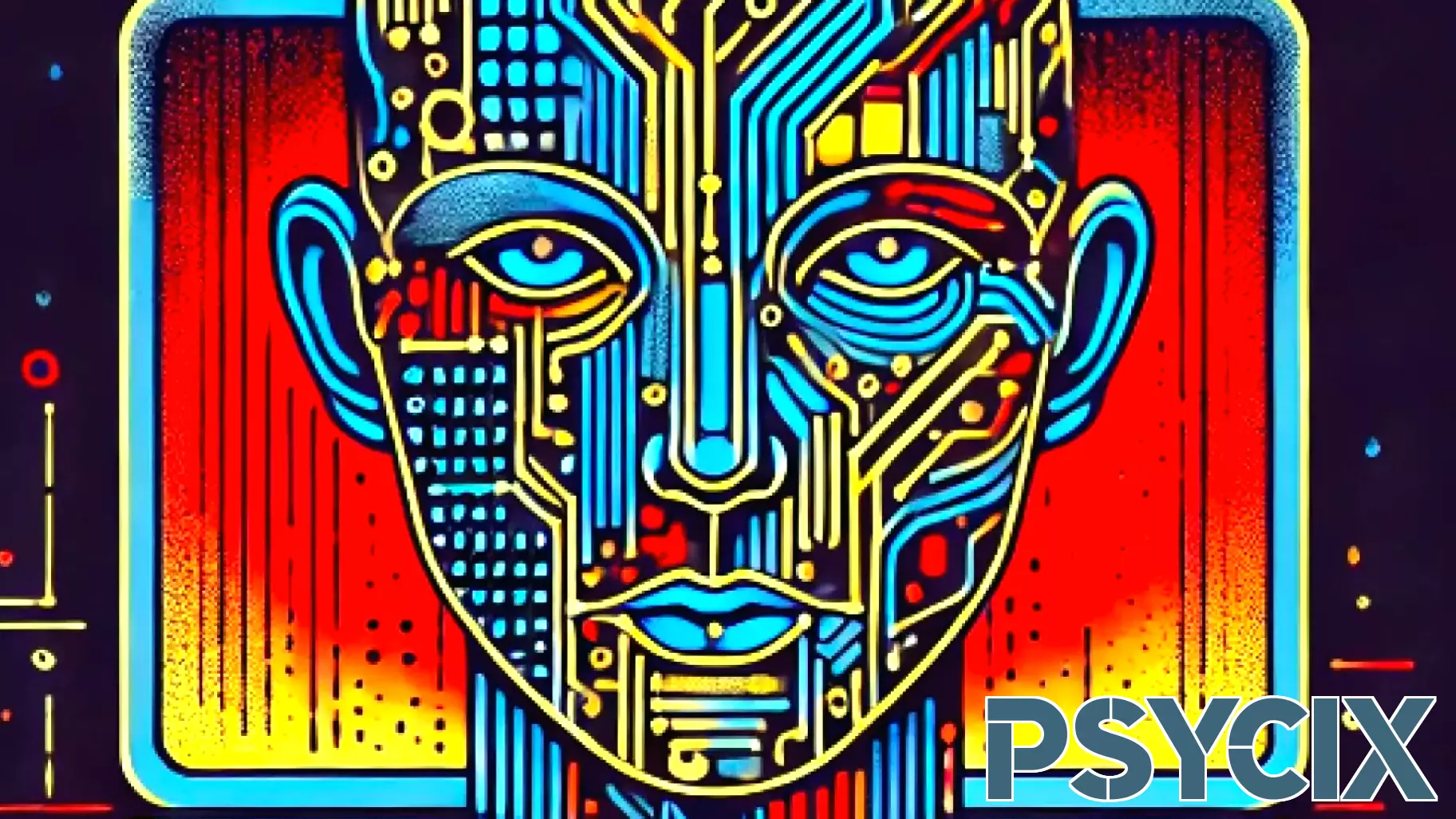
Artificial Intelligence (AI) has sparked a heated debate about its implications for society, particularly in the realm of large language models (LLMs). While some view these technologies as unsettling or "creepy," the true discomfort may stem from their ability to reflect our own thoughts, biases, and behaviors. LLMs, designed to process and generate human-like text, can inadvertently reveal the darker aspects of human nature.
Rather than being inherently creepy, these models serve as a lens through which we can examine ourselves. They often replicate the complexities of human language, including its nuances and imperfections. As users interact with AI, they may find that the responses generated mirror their own beliefs, fears, and desires. This uncanny resemblance can provoke introspection and challenge our understanding of what it means to be human.
As we continue to develop and integrate AI into our lives, it is crucial to consider the ethical implications and the potential for these technologies to shape our perceptions of ourselves and each other. The conversation around LLMs is not just about the technology itself, but about the fundamental questions it raises about humanity.
MORE NEWS

October 9, 2026 - 01:11
Psychology Professors Raise Concerns About AI Dependence in StudentsPsychology professors are expressing growing concern that students` increasing reliance on artificial intelligence tools may be weakening essential cognitive and academic skills. In a recent...

October 8, 2026 - 15:57
Imitation Is How Children Learn More Than Just WordsWhen a toddler suddenly starts echoing a parent`s words, facial expressions or gestures, it can look like simple mimicry. Developmental psychology research, however, shows that imitation is closely...
October 7, 2026 - 21:42
Geisinger Excited About Teaching at SCCKate Geisinger has joined Southeastern Community College as a full-time psychology instructor, bringing with her a strong commitment to student learning and intellectual growth. Geisinger says her...

October 7, 2026 - 03:39
Associate professor of psychology brings evidence-based mental wellness support directly to college studentsKaileigh Byrne, Wallace R. Roy Distinguished Associate Professor of psychology in the College of Behavioral, Social and Health Sciences, has spent years studying how people make decisions under...