The Reflective Nature of AI: Navigating the Cycle of Imitation
April 6, 2025 - 01:39

Artificial Intelligence has become a powerful mirror reflecting our innermost desires and societal behaviors. As we engage with AI technologies, we find ourselves caught in a memetic spiral, where imitation and blame intertwine. This phenomenon raises critical questions about our relationship with these intelligent systems.
As AI learns from our actions and preferences, it begins to shape our decisions and perceptions. This can lead to a cycle where we mimic the behaviors promoted by these technologies, often without realizing it. The danger lies in the potential for blame; when outcomes are unfavorable, we may direct our frustration towards the AI itself rather than examining our role in the interaction.
However, the true empowerment lies in our ability to choose how we perceive and utilize these mimetic tools. By fostering a conscious relationship with AI, we can harness its capabilities for positive change, ensuring that we remain the architects of our own narratives rather than mere reflections of our creations.
MORE NEWS

October 9, 2026 - 01:11
Psychology Professors Raise Concerns About AI Dependence in StudentsPsychology professors are expressing growing concern that students` increasing reliance on artificial intelligence tools may be weakening essential cognitive and academic skills. In a recent...

October 8, 2026 - 15:57
Imitation Is How Children Learn More Than Just WordsWhen a toddler suddenly starts echoing a parent`s words, facial expressions or gestures, it can look like simple mimicry. Developmental psychology research, however, shows that imitation is closely...
October 7, 2026 - 21:42
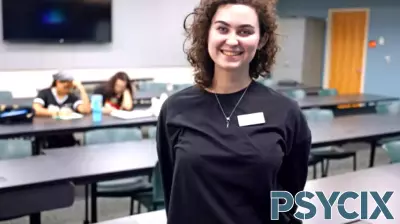
Geisinger Excited About Teaching at SCCKate Geisinger has joined Southeastern Community College as a full-time psychology instructor, bringing with her a strong commitment to student learning and intellectual growth. Geisinger says her...

October 7, 2026 - 03:39
Associate professor of psychology brings evidence-based mental wellness support directly to college studentsKaileigh Byrne, Wallace R. Roy Distinguished Associate Professor of psychology in the College of Behavioral, Social and Health Sciences, has spent years studying how people make decisions under...