The Quiet Confidence of Highly Intelligent Individuals
August 3, 2025 - 12:31

Ever notice how the sharpest people in the room are often the ones saying the least? Research in psychology suggests that individuals with high intelligence often display certain behaviors that set them apart from others. These individuals tend to possess a quiet confidence, allowing them to engage in thoughtful observation rather than dominating conversations.
One key behavior is their ability to listen actively. Highly intelligent people often prefer to absorb information and reflect on it before contributing their thoughts. This thoughtful approach enables them to provide valuable insights when they do choose to speak. Additionally, they tend to exhibit humility, recognizing that intelligence is just one aspect of their identity.
Another common trait is their open-mindedness. They are more likely to entertain different perspectives and adapt their viewpoints based on new evidence. Furthermore, these individuals often embrace complexity and ambiguity, showing a willingness to delve into intricate problems without seeking immediate solutions.
Ultimately, the behaviors displayed by highly intelligent people highlight a profound understanding of the world around them, emphasizing the value of listening, humility, and adaptability.
MORE NEWS

October 9, 2026 - 01:11
Psychology Professors Raise Concerns About AI Dependence in StudentsPsychology professors are expressing growing concern that students` increasing reliance on artificial intelligence tools may be weakening essential cognitive and academic skills. In a recent...

October 8, 2026 - 15:57
Imitation Is How Children Learn More Than Just WordsWhen a toddler suddenly starts echoing a parent`s words, facial expressions or gestures, it can look like simple mimicry. Developmental psychology research, however, shows that imitation is closely...
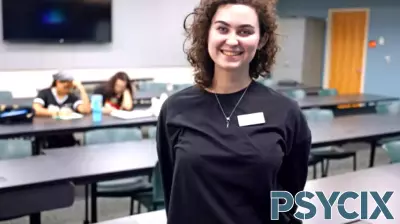
October 7, 2026 - 21:42
Geisinger Excited About Teaching at SCCKate Geisinger has joined Southeastern Community College as a full-time psychology instructor, bringing with her a strong commitment to student learning and intellectual growth. Geisinger says her...

October 7, 2026 - 03:39
Associate professor of psychology brings evidence-based mental wellness support directly to college studentsKaileigh Byrne, Wallace R. Roy Distinguished Associate Professor of psychology in the College of Behavioral, Social and Health Sciences, has spent years studying how people make decisions under...