Benefits of using a Bayesian statistical framework for replicating research
May 20, 2026 - 11:09
The "replication crisis" has cast a long shadow over the scientific community, especially in fields like psychology and behavioral economics. For years, researchers have struggled with a troubling reality: when they try to repeat a landmark study, the original results often vanish. This has led to questions about the reliability of published findings and the methods used to analyze them. Now, a growing number of statisticians argue that a simple shift in statistical thinking could help solve the problem.
The core issue lies in how scientists traditionally interpret data. Most studies rely on a method called null hypothesis significance testing, which produces a p-value. A low p-value is often taken as a sign of a real effect. But this approach has a major flaw. It tells you the probability of seeing your data if there was no effect at all. It does not tell you the probability that your hypothesis is actually true. This subtle difference can lead to overconfidence in results that are actually just random noise.
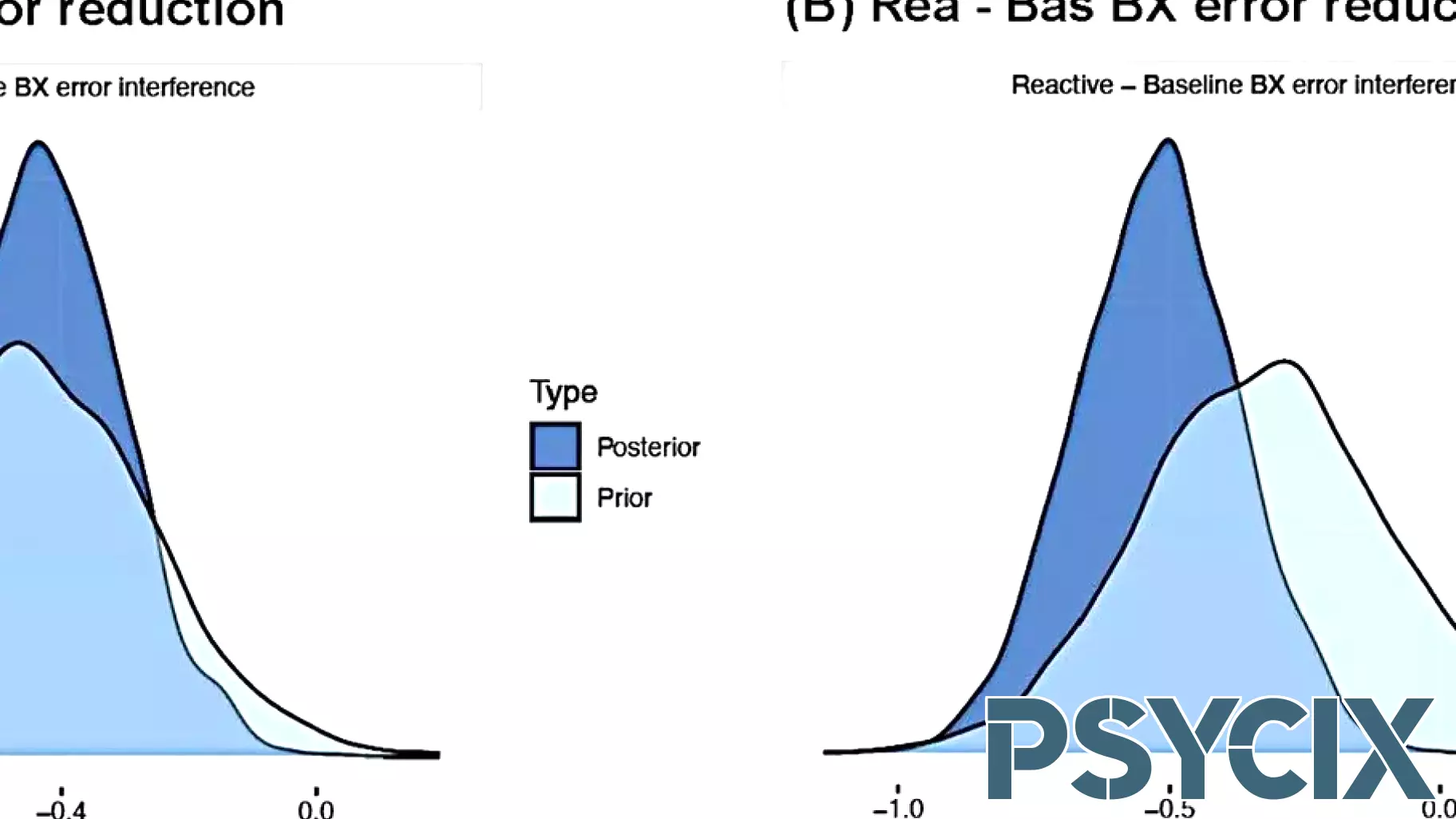
A Bayesian statistical framework offers a different perspective. Instead of asking "what are the chances of this data if the hypothesis is false," it asks "given this data, how likely is my hypothesis to be true?" This is a more intuitive question for scientists. Crucially, Bayesian methods allow researchers to incorporate prior knowledge. If a previous study found a strong effect, that information can be formally included in the analysis of a replication attempt. This prevents researchers from treating every new study as if it were the first ever done on the topic.
In practice, this means a Bayesian analysis can tell a scientist whether their new data is consistent with the original finding or whether it suggests the original effect was probably a fluke. It provides a continuous measure of evidence, rather than a simple "significant or not" verdict. This is especially valuable for replication studies, where the goal is not just to declare success or failure, but to understand how much confidence to place in the original claim. By making the process more transparent and less reliant on arbitrary cutoffs, the Bayesian framework gives researchers a more honest and powerful tool for building a reliable body of knowledge.
MORE NEWS

October 2, 2026 - 18:14
Rethinking Wealth: Why Financial Knowledge Alone Is Not EnoughFinancial educator and investor Dr. Jatali Bellanton is challenging the way people think about money, success, and the decisions that shape long term stability. In a recent conversation, she...

October 2, 2026 - 12:39
Psychology organisations apologise for harm caused to MāoriAt an event in Wellington today, professional psychology organisations issued a formal apology to Maori for the harm caused by racism within the field of psychology. The apology, delivered during a...

October 1, 2026 - 20:17
Source Matters: Comparing Employee Reactions to Human, AI, and Hybrid Performance Feedback | Frontiers in PsychologyA new study compares anticipated reactions to identical performance feedback described as manager-written, AI-generated, or a combination of both, raising questions about how managers use AI in...

October 1, 2026 - 02:47
Why Sleeping Through Problems Does Not Solve ThemAfter an argument, someone may choose to sleep for a while and calm down. Another person may head to bed simply to escape a difficult conversation. There is an important difference between the two....