The Mental Game: How Kentucky Basketball Gains an Advantage Before Tip-off
December 29, 2024 - 13:28
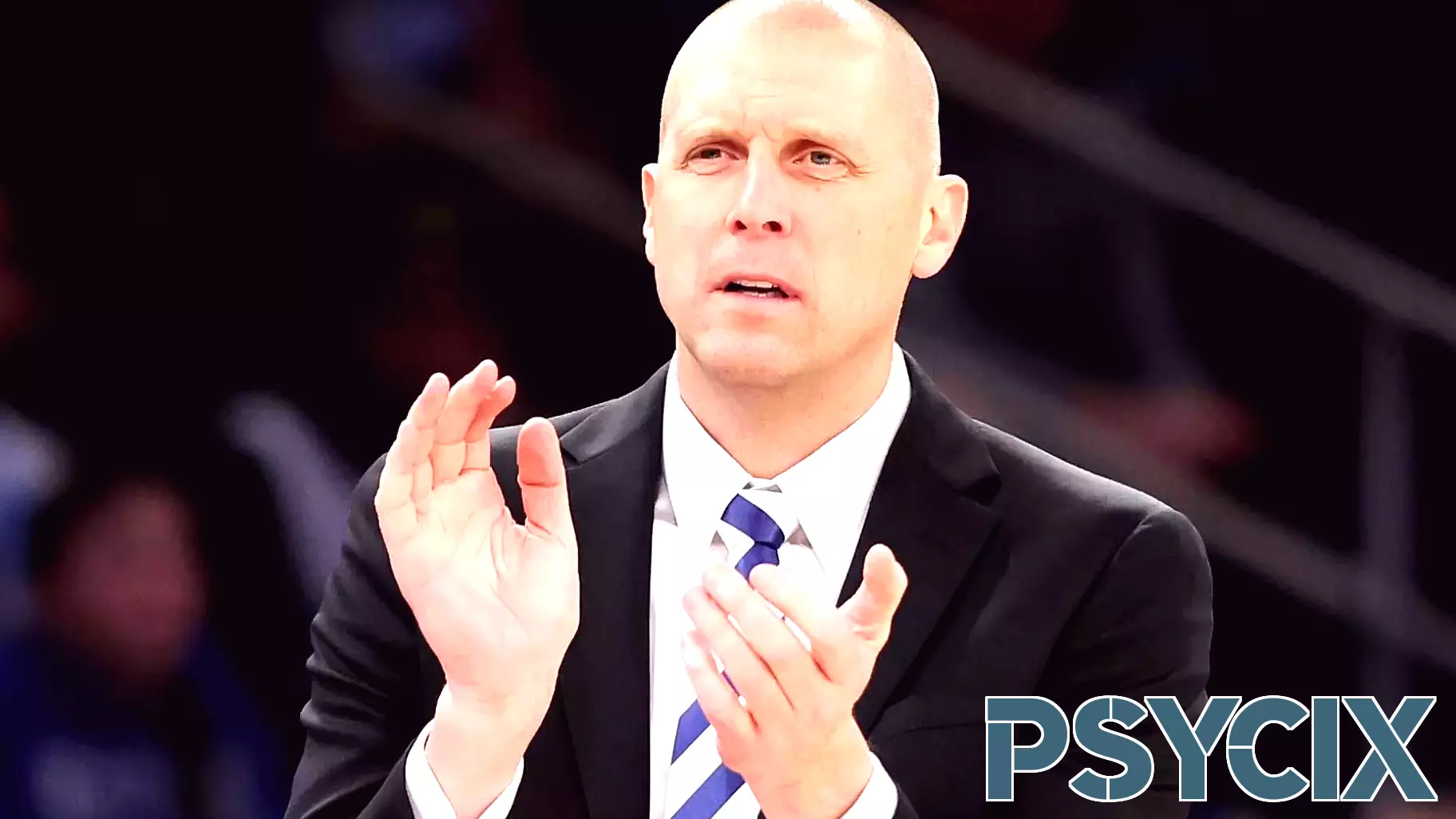
Athletic success isn’t just about physical talent—it’s a mental game more often than not. Sports psychology, the study of how mental factors influence performance, plays a crucial role in the world of competitive sports. Kentucky basketball has mastered the art of using psychological strategies to gain an edge over their opponents before the game even begins.
The team employs various techniques to build confidence and focus, ensuring that players are mentally prepared to face challenges on the court. Visualization exercises, where athletes imagine successful plays and outcomes, help to enhance their performance under pressure. Additionally, the coaching staff emphasizes the importance of maintaining a positive mindset, fostering resilience in the face of adversity.
By creating a culture of mental strength, Kentucky basketball not only prepares players for the physical demands of the game but also instills a sense of belief that can intimidate opponents. This psychological advantage often translates into better performance, making it a key component of their strategy for success.
MORE NEWS

October 8, 2026 - 15:57
Imitation Is How Children Learn More Than Just WordsWhen a toddler suddenly starts echoing a parent`s words, facial expressions or gestures, it can look like simple mimicry. Developmental psychology research, however, shows that imitation is closely...

October 7, 2026 - 21:42
Geisinger Excited About Teaching at SCCKate Geisinger has joined Southeastern Community College as a full-time psychology instructor, bringing with her a strong commitment to student learning and intellectual growth. Geisinger says her...

October 7, 2026 - 03:39
Associate professor of psychology brings evidence-based mental wellness support directly to college studentsKaileigh Byrne, Wallace R. Roy Distinguished Associate Professor of psychology in the College of Behavioral, Social and Health Sciences, has spent years studying how people make decisions under...

October 6, 2026 - 01:22
Inside the Mind: How SailGP Teams Handle Pressure and Build Winning CulturesThe human side of elite sailing takes center stage in the newest chapter of SailGP`s documentary series Racing on the Edge, created alongside Rolex. This installment shifts focus away from boat...