The Interplay of Science and Science Fiction in Brain-Computer Interfaces
March 29, 2025 - 20:52
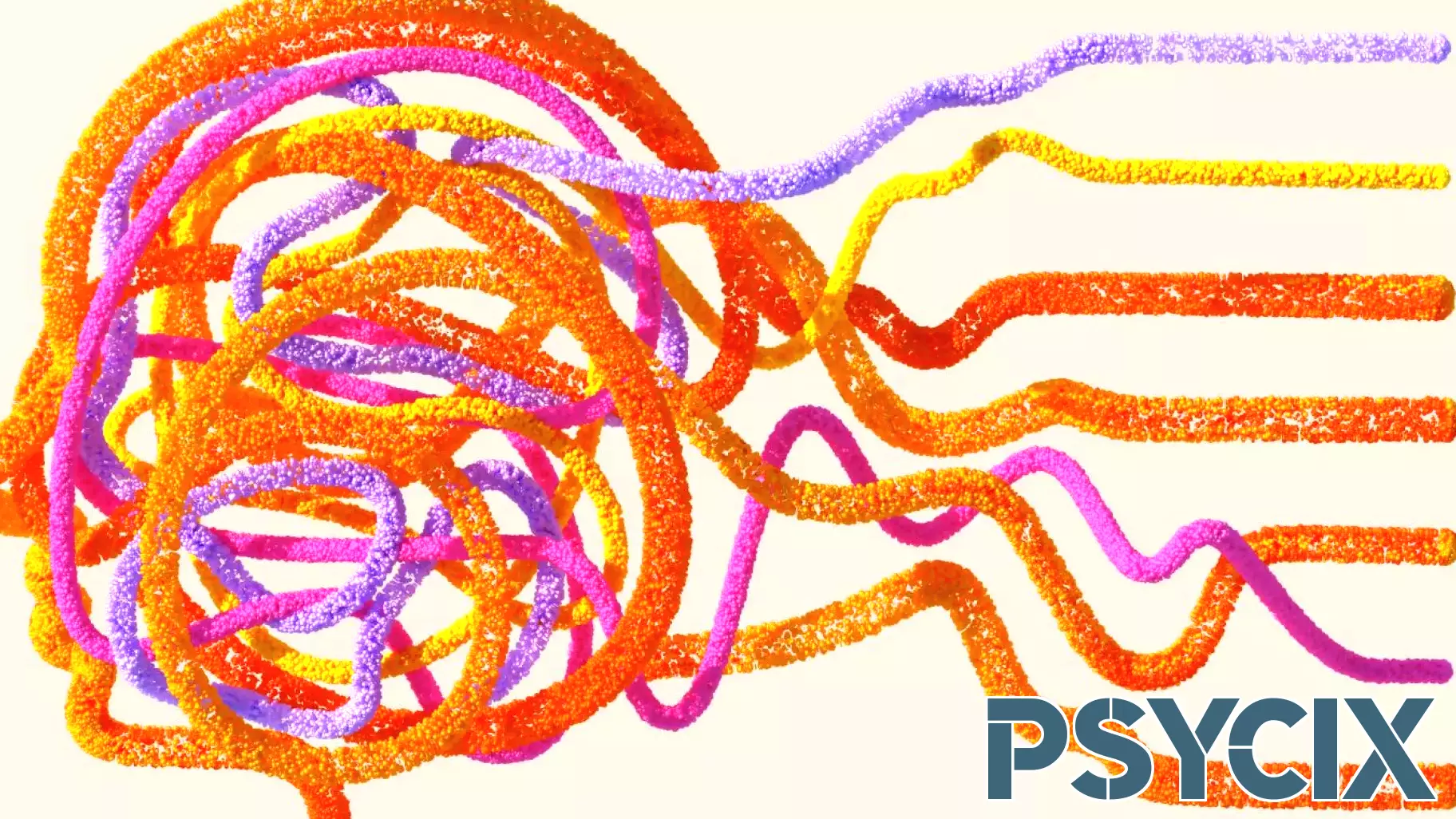
Sometimes science inspires science fiction, and sometimes science fiction inspires science. This fascinating relationship is increasingly evident in the field of brain-computer interfaces (BCIs), which are rapidly evolving from theoretical concepts into tangible technologies. BCIs aim to create a direct communication pathway between the human brain and external devices, opening up a world of possibilities in various sectors, including healthcare, gaming, and communication.
Recent advancements have demonstrated the potential of BCIs to help individuals with mobility impairments regain control over their environments. Researchers are developing systems that translate brain signals into commands for prosthetic limbs or computer interfaces. These breakthroughs not only enhance the quality of life for those with disabilities but also raise ethical questions about privacy, autonomy, and the implications of merging human cognition with technology.
As we continue to explore the capabilities of BCIs, the lines between science and science fiction blur, inspiring new narratives about the future of human interaction with machines. The ongoing research in this area promises to reshape our understanding of consciousness and redefine our relationship with technology.
MORE NEWS

October 9, 2026 - 21:25
Psychologist reveals 'neurological' cause of Trump’s on-camera 'microsleep'President Donald Trump has repeatedly been caught on video appearing to doze off during meetings and public events, and one medical expert argues the explanation goes beyond simple fatigue....
October 9, 2026 - 01:11
Psychology Professors Raise Concerns About AI Dependence in StudentsPsychology professors are expressing growing concern that students` increasing reliance on artificial intelligence tools may be weakening essential cognitive and academic skills. In a recent...

October 8, 2026 - 15:57
Imitation Is How Children Learn More Than Just WordsWhen a toddler suddenly starts echoing a parent`s words, facial expressions or gestures, it can look like simple mimicry. Developmental psychology research, however, shows that imitation is closely...
October 7, 2026 - 21:42
Geisinger Excited About Teaching at SCCKate Geisinger has joined Southeastern Community College as a full-time psychology instructor, bringing with her a strong commitment to student learning and intellectual growth. Geisinger says her...