The Impact of Longevity on Our Lives According to a Leading Psychologist
August 15, 2025 - 00:15
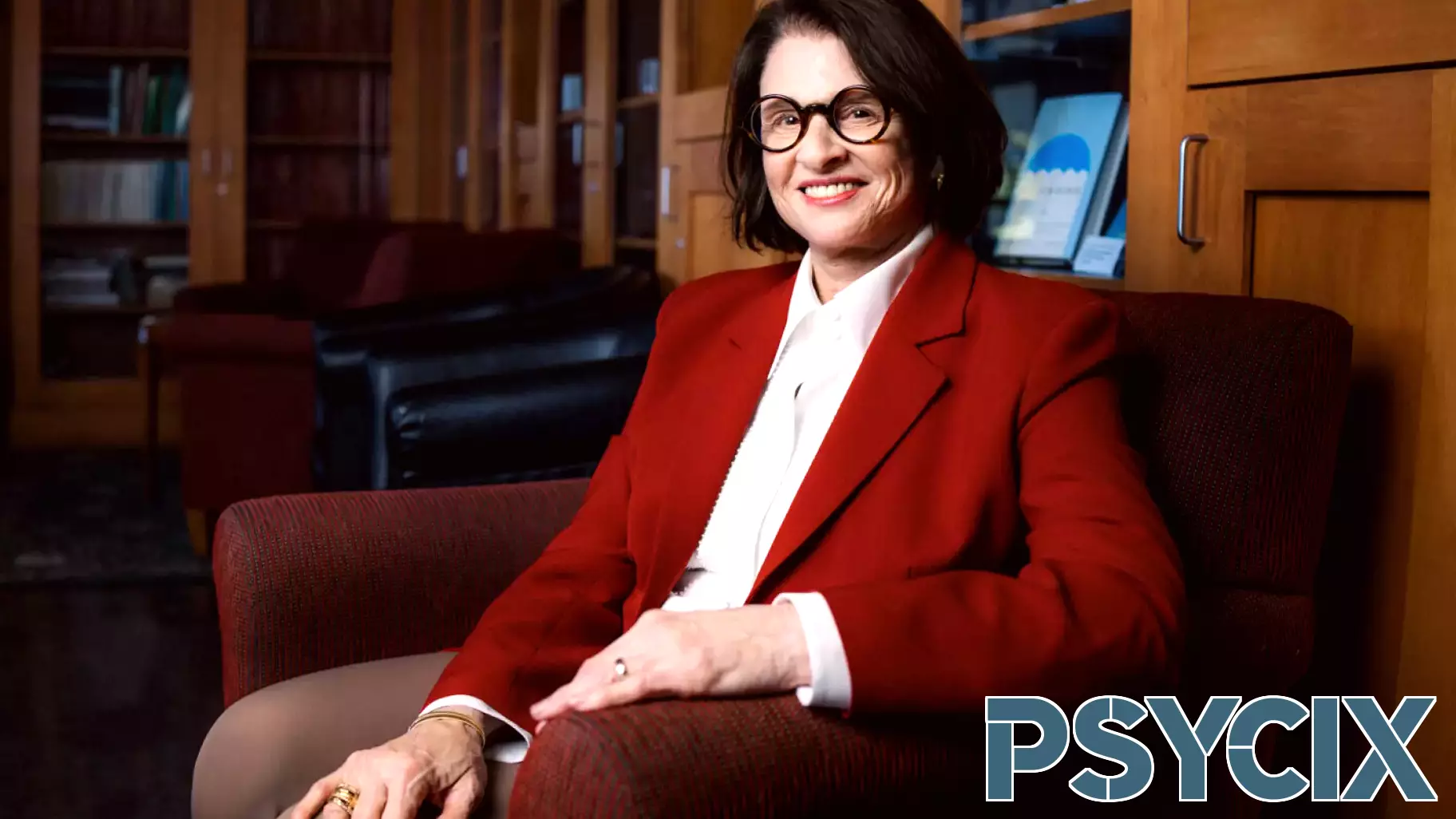
As people live longer than ever, Stanford psychologist Laura Carstensen is exploring the profound implications of extended lifespans on various facets of life. With 100-year lives becoming more common, she emphasizes the need to adapt our societal structures and personal perspectives to embrace this new reality.
Carstensen argues that longevity will affect everything from career trajectories to family dynamics and social relationships. She highlights that individuals will need to rethink their approach to education, work, and retirement, as traditional timelines may no longer apply. Furthermore, she points out that with longer lives, there is an opportunity for individuals to pursue multiple careers, engage in lifelong learning, and foster deeper intergenerational connections.
The psychologist also stresses the importance of mental health and well-being in this context, advocating for a shift in how society views aging. By promoting a positive outlook on growing older, Carstensen believes we can enhance the quality of life for individuals in their later years, ultimately allowing society to thrive as a whole.
MORE NEWS

October 8, 2026 - 15:57
Imitation Is How Children Learn More Than Just WordsWhen a toddler suddenly starts echoing a parent`s words, facial expressions or gestures, it can look like simple mimicry. Developmental psychology research, however, shows that imitation is closely...
October 7, 2026 - 21:42
Geisinger Excited About Teaching at SCCKate Geisinger has joined Southeastern Community College as a full-time psychology instructor, bringing with her a strong commitment to student learning and intellectual growth. Geisinger says her...

October 7, 2026 - 03:39
Associate professor of psychology brings evidence-based mental wellness support directly to college studentsKaileigh Byrne, Wallace R. Roy Distinguished Associate Professor of psychology in the College of Behavioral, Social and Health Sciences, has spent years studying how people make decisions under...

October 6, 2026 - 01:22
Inside the Mind: How SailGP Teams Handle Pressure and Build Winning CulturesThe human side of elite sailing takes center stage in the newest chapter of SailGP`s documentary series Racing on the Edge, created alongside Rolex. This installment shifts focus away from boat...