The Hidden Strength of Introverts: Aging with Grace
December 28, 2024 - 19:15

Recent research has unveiled a fascinating insight into the lives of introverts, suggesting that their unique traits may contribute significantly to aging gracefully. Unlike their extroverted counterparts, introverts often find solace in solitude, allowing them to cultivate deeper connections with a select few. This preference for meaningful interactions over superficial engagements may serve as a natural preparation for the later stages of life.
Introverts tend to engage in reflective thinking and self-awareness, qualities that can lead to greater emotional resilience. As they age, these traits may help them navigate the challenges that come with growing older, such as loss and change. The comfort found in solitude allows introverts to recharge and maintain their mental health, which can be vital as they transition into retirement.
Moreover, their ability to forge strong, lasting relationships can provide a robust support system, essential for emotional well-being in later years. This combination of introspection and connection positions introverts uniquely to embrace the aging process with dignity and grace.
MORE NEWS

October 8, 2026 - 15:57
Imitation Is How Children Learn More Than Just WordsWhen a toddler suddenly starts echoing a parent`s words, facial expressions or gestures, it can look like simple mimicry. Developmental psychology research, however, shows that imitation is closely...
October 7, 2026 - 21:42
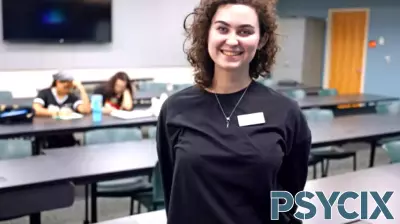
Geisinger Excited About Teaching at SCCKate Geisinger has joined Southeastern Community College as a full-time psychology instructor, bringing with her a strong commitment to student learning and intellectual growth. Geisinger says her...

October 7, 2026 - 03:39
Associate professor of psychology brings evidence-based mental wellness support directly to college studentsKaileigh Byrne, Wallace R. Roy Distinguished Associate Professor of psychology in the College of Behavioral, Social and Health Sciences, has spent years studying how people make decisions under...

October 6, 2026 - 01:22
Inside the Mind: How SailGP Teams Handle Pressure and Build Winning CulturesThe human side of elite sailing takes center stage in the newest chapter of SailGP`s documentary series Racing on the Edge, created alongside Rolex. This installment shifts focus away from boat...