The Hidden Psychology Behind Fast Food Menu Pricing
January 22, 2026 - 06:59
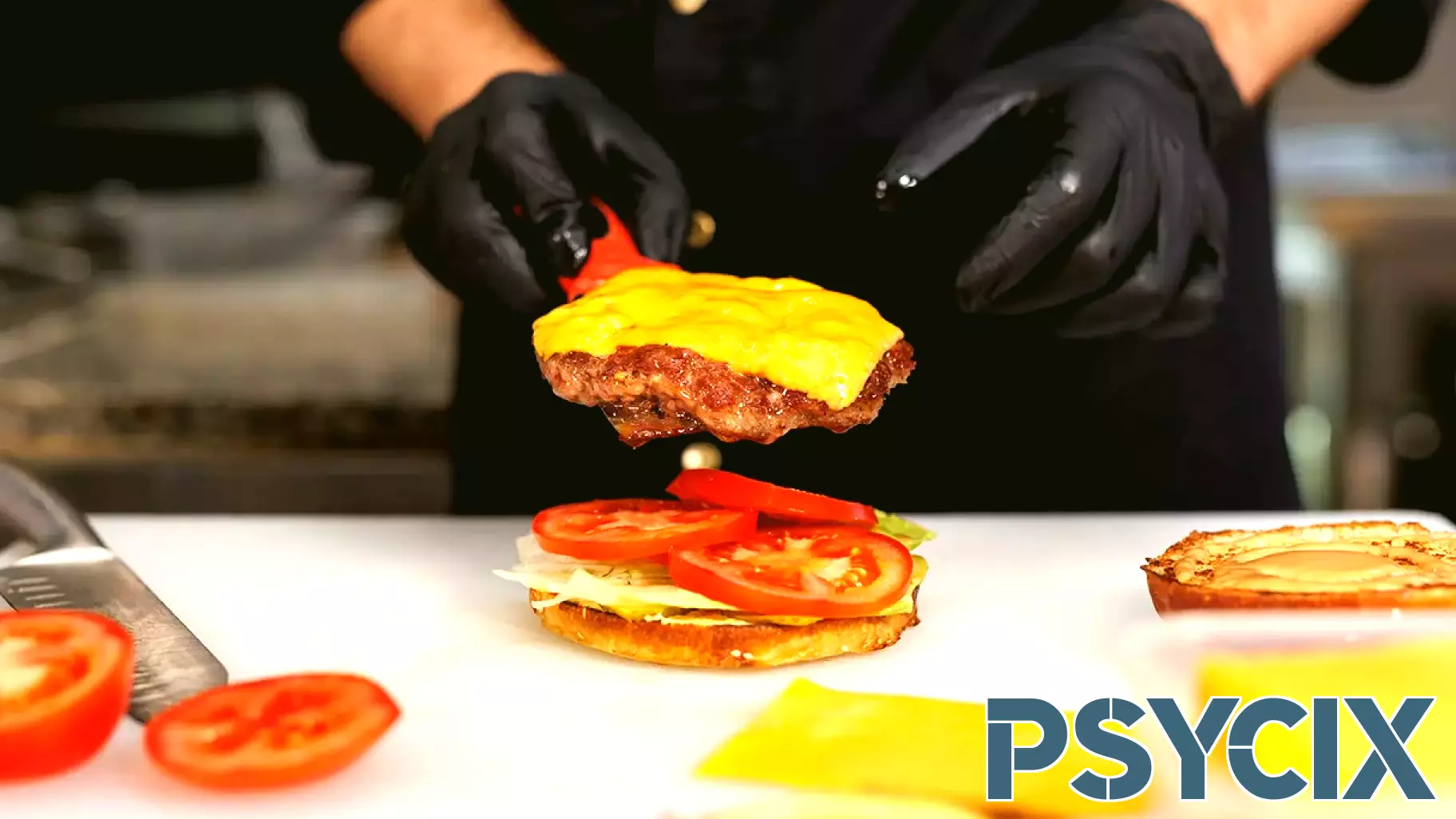
Have you ever wondered why a medium order of fries costs $4.70, but upgrading to a large is only an extra 30 cents? This isn't a random pricing strategy; it's a calculated psychological tactic employed by fast food chains to influence spending. A recent analysis reveals how menu engineering subtly guides customers toward more profitable choices.
The technique, known as "price anchoring," involves placing a high-priced item next to a target item to make the target seem like a better deal. In this case, the medium fries act as the anchor. When customers see the minimal cost to jump to a large, the larger size feels like a significant value, encouraging them to spend more overall than they initially intended. Similarly, combo meals are often priced just slightly above a main item alone, making the bundle appear irresistible.
These strategies are designed to bypass rational decision-making. By presenting comparative value, restaurants increase the average order size and boost profits. The next time you order, that "upsell" might not be a craving—it could be the menu doing the thinking for you.
MORE NEWS

October 22, 2026 - 01:07
The personality test grows up: Bettermind relaunches with a Mind Blueprint, five minutes a day and an eight-week clockA personality assessment platform is relaunching with a rebuilt system that trades lengthy questionnaires for short daily sessions and a structured timeline. The new approach centers on what the...

October 21, 2026 - 11:59
Rethinking the Stanford Prison Experiment: A Kinder Take on a Dark ChapterThe decision to revisit the notorious 1971 Stanford Prison Experiment for a new audience initially sparked widespread criticism. Many questioned why anyone would want to dramatize a study that went...

October 20, 2026 - 21:20
Which Generation Really Deserves the Snowflake Label? Science Offers a Surprising AnswerThe answer isn`t quite as simple as you might think, with some complexities in the story. The term `snowflake` has become a favorite insult tossed between generations, usually aimed at younger...

October 20, 2026 - 14:36
Psychological Strain of Menopause Linked to Higher Job Turnover Among WomenTurnover related to menopause has become a critical global socioeconomic challenge, affecting female career longevity and organizational productivity. New research suggests that the psychological...