The Hidden Costs of Ghosting in Relationships
August 19, 2025 - 01:43

Think "ghosting" is a quick solution to your relationship problems? New research reveals why it’s only likely to create more — for both you and your partner. Ghosting, the act of abruptly cutting off communication without explanation, may seem like an easy way to exit a relationship, but it carries significant emotional consequences.
Firstly, ghosting can lead to unresolved feelings for both parties. The person being ghosted often experiences confusion and self-doubt, wondering what went wrong. This lack of closure can hinder their ability to move on, leaving emotional scars that last long after the ghosting incident.
Secondly, the ghoster may also face psychological repercussions. While they may feel relief in the short term, they can later grapple with guilt or regret about their decision. This behavior can also contribute to a pattern of avoidance in future relationships, making it harder to engage in healthy communication.
Lastly, ghosting can damage trust in relationships. It sets a precedent for unhealthy communication habits, making it difficult for individuals to feel secure in future connections. Ultimately, choosing to ghost someone may seem like an easy way out, but it often leads to a cycle of emotional turmoil that affects both individuals involved.
MORE NEWS

October 9, 2026 - 01:11
Psychology Professors Raise Concerns About AI Dependence in StudentsPsychology professors are expressing growing concern that students` increasing reliance on artificial intelligence tools may be weakening essential cognitive and academic skills. In a recent...

October 8, 2026 - 15:57
Imitation Is How Children Learn More Than Just WordsWhen a toddler suddenly starts echoing a parent`s words, facial expressions or gestures, it can look like simple mimicry. Developmental psychology research, however, shows that imitation is closely...
October 7, 2026 - 21:42
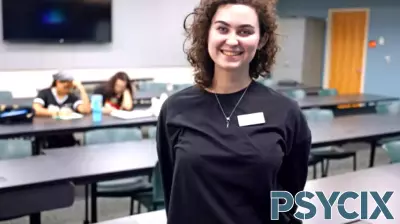
Geisinger Excited About Teaching at SCCKate Geisinger has joined Southeastern Community College as a full-time psychology instructor, bringing with her a strong commitment to student learning and intellectual growth. Geisinger says her...

October 7, 2026 - 03:39
Associate professor of psychology brings evidence-based mental wellness support directly to college studentsKaileigh Byrne, Wallace R. Roy Distinguished Associate Professor of psychology in the College of Behavioral, Social and Health Sciences, has spent years studying how people make decisions under...