The Evolution of Family: Choosing Bonds Over Blood
January 4, 2025 - 07:11

The concept of family has undergone a significant transformation in contemporary society, particularly in Western cultures where the freedom to choose one's family has become a defining characteristic. This shift allows individuals to create connections based on shared values, experiences, and mutual support rather than solely relying on biological ties. As a result, many people are redefining what it means to belong, fostering diverse family structures that reflect a broader spectrum of relationships.
However, this newfound freedom is not without its challenges. While the ability to curate one's family can lead to stronger, more meaningful connections, it can also contribute to feelings of isolation for some. The pressure to form these chosen families may leave individuals feeling lonely if they struggle to find their place within this evolving framework. As society continues to embrace the idea of family beyond blood relations, it is essential to acknowledge both the opportunities and the potential pitfalls that come with this shift in perspective.
MORE NEWS

October 8, 2026 - 15:57
Imitation Is How Children Learn More Than Just WordsWhen a toddler suddenly starts echoing a parent`s words, facial expressions or gestures, it can look like simple mimicry. Developmental psychology research, however, shows that imitation is closely...
October 7, 2026 - 21:42
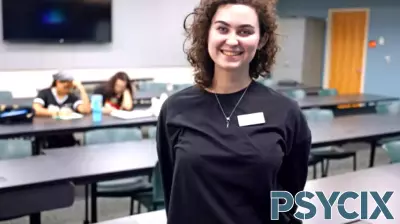
Geisinger Excited About Teaching at SCCKate Geisinger has joined Southeastern Community College as a full-time psychology instructor, bringing with her a strong commitment to student learning and intellectual growth. Geisinger says her...

October 7, 2026 - 03:39
Associate professor of psychology brings evidence-based mental wellness support directly to college studentsKaileigh Byrne, Wallace R. Roy Distinguished Associate Professor of psychology in the College of Behavioral, Social and Health Sciences, has spent years studying how people make decisions under...

October 6, 2026 - 01:22
Inside the Mind: How SailGP Teams Handle Pressure and Build Winning CulturesThe human side of elite sailing takes center stage in the newest chapter of SailGP`s documentary series Racing on the Edge, created alongside Rolex. This installment shifts focus away from boat...