The Dangers of Triggering the 'Hero Instinct' in Relationships
December 31, 2024 - 01:55
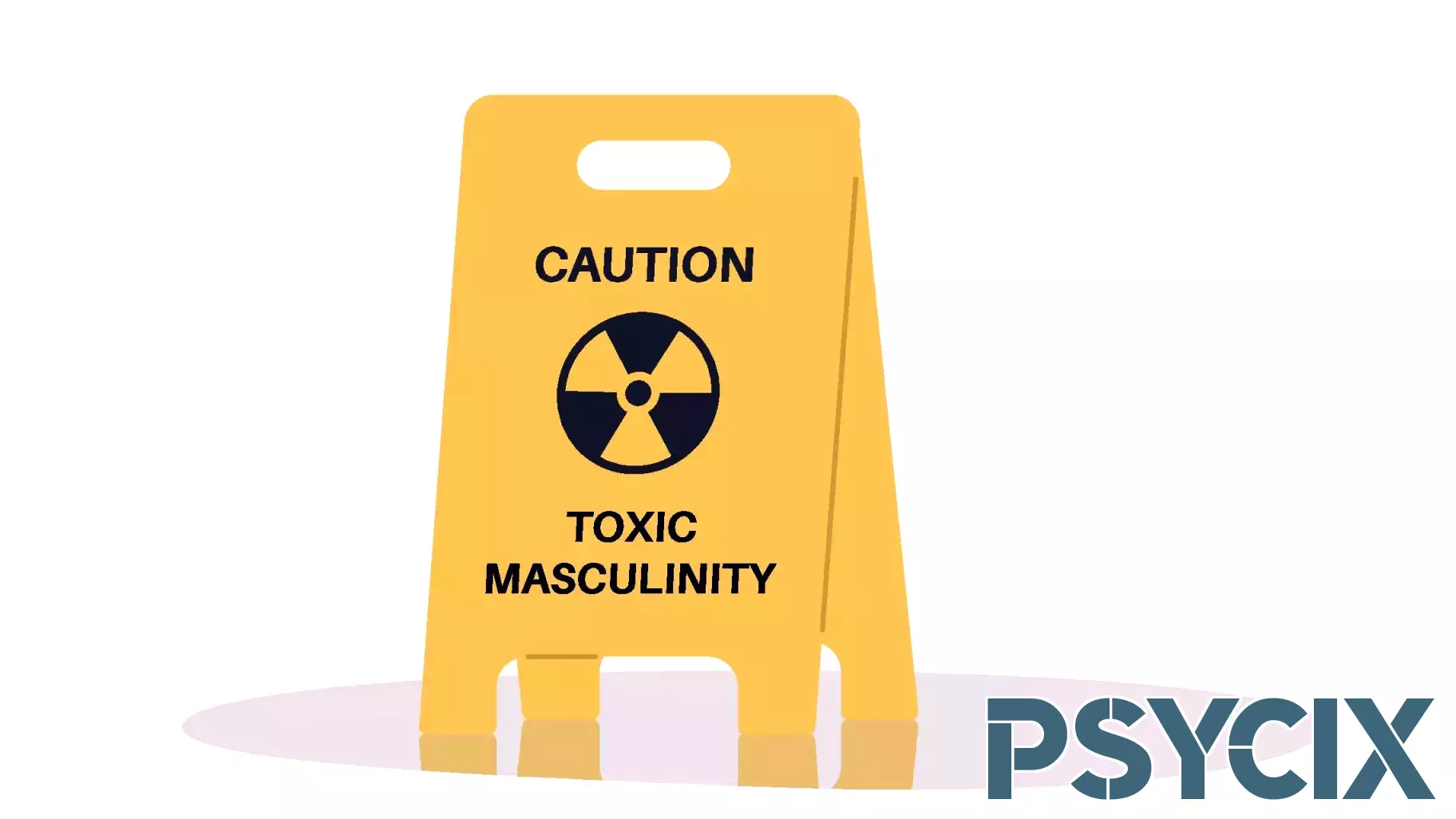
You may have heard that you need to trigger your partner’s “hero instinct” to keep them happy. However, this advice can be detrimental to the health of your relationship. The concept suggests that men need to feel needed or essential, but relying on this notion can lead to unhealthy dynamics.
Firstly, constantly attempting to invoke this instinct can place undue pressure on your partner, making them feel like they must perform or prove their worth. This can create a cycle of anxiety and expectation, rather than fostering genuine connection and intimacy. Instead of nurturing a supportive relationship, it may inadvertently foster resentment or feelings of inadequacy.
Secondly, focusing on the “hero instinct” can overshadow the importance of mutual respect and equality in a partnership. Healthy relationships thrive on collaboration and shared responsibilities, not on one partner being elevated to a savior status. To cultivate a fulfilling relationship, prioritize open communication, emotional support, and a balanced approach to partnership. Emphasizing these aspects can lead to a stronger, more resilient bond.
MORE NEWS

October 9, 2026 - 01:11
Psychology Professors Raise Concerns About AI Dependence in StudentsPsychology professors are expressing growing concern that students` increasing reliance on artificial intelligence tools may be weakening essential cognitive and academic skills. In a recent...

October 8, 2026 - 15:57
Imitation Is How Children Learn More Than Just WordsWhen a toddler suddenly starts echoing a parent`s words, facial expressions or gestures, it can look like simple mimicry. Developmental psychology research, however, shows that imitation is closely...

October 7, 2026 - 21:42
Geisinger Excited About Teaching at SCCKate Geisinger has joined Southeastern Community College as a full-time psychology instructor, bringing with her a strong commitment to student learning and intellectual growth. Geisinger says her...

October 7, 2026 - 03:39
Associate professor of psychology brings evidence-based mental wellness support directly to college studentsKaileigh Byrne, Wallace R. Roy Distinguished Associate Professor of psychology in the College of Behavioral, Social and Health Sciences, has spent years studying how people make decisions under...