The Dangers of Combining Ketamine and MDMA
September 21, 2025 - 18:53

The combination of ketamine and empathogens, such as MDMA, poses significant health risks and has been linked to a rise in emergency room visits and fatalities. As users increasingly seek out these stimulant combinations for their perceived effects, the dangers associated with their use cannot be overstated.
Both ketamine and MDMA can alter mood and perception, but when taken together, they can lead to unpredictable and often dangerous outcomes. The potential for overdose increases, particularly when these substances are adulterated with other chemicals, which is common in illicit drug markets.
Reports indicate that emergency departments are seeing a surge in cases related to these combinations, highlighting the urgent need for awareness and education regarding their risks. Health professionals are urging individuals to reconsider the use of these drugs, especially in combination, as the consequences can be severe and even life-threatening.
MORE NEWS

October 9, 2026 - 01:11
Psychology Professors Raise Concerns About AI Dependence in StudentsPsychology professors are expressing growing concern that students` increasing reliance on artificial intelligence tools may be weakening essential cognitive and academic skills. In a recent...

October 8, 2026 - 15:57
Imitation Is How Children Learn More Than Just WordsWhen a toddler suddenly starts echoing a parent`s words, facial expressions or gestures, it can look like simple mimicry. Developmental psychology research, however, shows that imitation is closely...
October 7, 2026 - 21:42
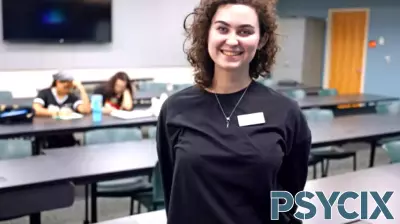
Geisinger Excited About Teaching at SCCKate Geisinger has joined Southeastern Community College as a full-time psychology instructor, bringing with her a strong commitment to student learning and intellectual growth. Geisinger says her...

October 7, 2026 - 03:39
Associate professor of psychology brings evidence-based mental wellness support directly to college studentsKaileigh Byrne, Wallace R. Roy Distinguished Associate Professor of psychology in the College of Behavioral, Social and Health Sciences, has spent years studying how people make decisions under...