The Cost of Memories: How Platforms Hold Users Hostage
December 9, 2025 - 23:12

In a surprising move, a popular social media platform has announced plans to charge users for retaining their cherished memories after nine years of free storage. This decision has raised eyebrows and sparked discussions about the ethical implications of monetizing personal memories. Users who have spent nearly a decade curating their digital collections now face the dilemma of either paying to keep their memories or losing them altogether.
Behavioral economics provides insight into this situation, suggesting that the emotional attachment users have to their memories creates a sense of psychological coercion. The platform's strategy appears to exploit this emotional bond, compelling users to make a choice that feels less like a decision and more like a necessity. As users grapple with the potential loss of their digital mementos, questions arise about the responsibility of tech companies to prioritize user welfare over profit.
This development highlights a growing trend in the tech industry, where the commodification of personal experiences raises concerns about privacy, ownership, and the ethical treatment of users. As platforms continue to evolve, the implications of such decisions will likely resonate with users and shape the future of digital memory storage.
MORE NEWS
October 26, 2026 - 00:43
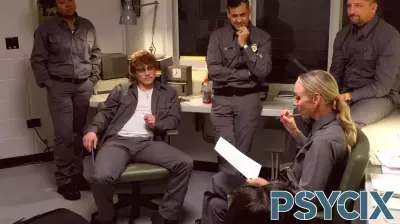
Creators of "The New Stanford Prison Experiment" Explain Its Surprising ConclusionThe finale of `The New Stanford Prison Experiment` takes a far more hopeful turn than the original 1971 study led by Stanford psychology professor Philip Zimbardo. That first iteration of the...

October 25, 2026 - 02:32
Study Links Peer Victimization to Negative Self-Image in TeensTeenagers who experience bullying and other forms of peer victimization tend to develop more negative views of themselves as they move through adolescence, according to new research. The study...

October 24, 2026 - 07:10
Psychology explains why some people feel calmer on rainy days while others feel low or restless; what our responses to weather reveal about mood, memories and our surroundingsFor some people rainy days feel like a peek into heaven, with the smell of mud and a hot cup of tea to cosy up with. But for others it can feel like their worst nightmare where they feel low and...

October 23, 2026 - 17:26
The First Corporate Psychopath Was a 17th Century Dutch MutineerA psychologist studying the wreck of the Dutch East India Company ship Batavia has identified what may be the first documented corporate psychopath: Jeronimus Cornelisz, an undermanager whose...