The Challenges of Urban Living: A Return to Our Roots
April 27, 2025 - 18:48

Humans evolved in small, tight-knit communities, which has significant implications for our modern urban lifestyles. As cities expand and populations surge, many individuals find themselves grappling with stress and anxiety that can be traced back to our ancestral past. The fast-paced, densely populated environment of large cities often overwhelms the human psyche, leading to feelings of isolation despite being surrounded by thousands of people.
Research suggests that the design of our communities plays a crucial role in our well-being. Urban areas that prioritize green spaces, social interactions, and accessible amenities can foster a sense of belonging and reduce stress levels. By focusing on community-oriented designs, cities can help restore the connections that are vital to our mental health.
As we navigate the complexities of urban living, it becomes increasingly clear that returning to the principles of small community structures may hold the key to enhancing our quality of life in bustling metropolitan areas. Emphasizing social cohesion and environmental harmony could pave the way for healthier, happier urban dwellers.
MORE NEWS

October 8, 2026 - 15:57
Imitation Is How Children Learn More Than Just WordsWhen a toddler suddenly starts echoing a parent`s words, facial expressions or gestures, it can look like simple mimicry. Developmental psychology research, however, shows that imitation is closely...
October 7, 2026 - 21:42
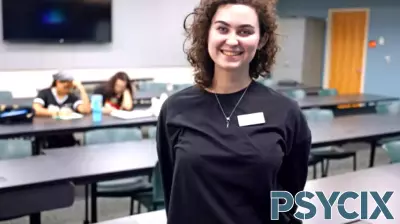
Geisinger Excited About Teaching at SCCKate Geisinger has joined Southeastern Community College as a full-time psychology instructor, bringing with her a strong commitment to student learning and intellectual growth. Geisinger says her...

October 7, 2026 - 03:39
Associate professor of psychology brings evidence-based mental wellness support directly to college studentsKaileigh Byrne, Wallace R. Roy Distinguished Associate Professor of psychology in the College of Behavioral, Social and Health Sciences, has spent years studying how people make decisions under...

October 6, 2026 - 01:22
Inside the Mind: How SailGP Teams Handle Pressure and Build Winning CulturesThe human side of elite sailing takes center stage in the newest chapter of SailGP`s documentary series Racing on the Edge, created alongside Rolex. This installment shifts focus away from boat...