The Art of Playing Hard to Get in a World of Options
April 30, 2025 - 01:05

In today's dating landscape, the strategy of playing hard to get has evolved. While it can be tempting to create an air of mystery and exclusivity, the key lies in finding the right balance between being somewhat elusive and remaining approachable. This nuanced approach allows individuals to maintain interest while also fostering genuine connections.
Moderation is essential; being too distant may lead to missed opportunities, while being overly available can diminish perceived value. The goal is to engage in a way that piques curiosity without shutting down potential partners. A warm demeanor combined with a hint of intrigue can create a compelling dynamic, encouraging others to invest time and effort into getting to know you.
Ultimately, the modern dating scene thrives on options, but those who navigate it with authenticity and a touch of playful distance may find the most rewarding connections. Embracing this strategy could lead to deeper relationships that stand out amidst the multitude of choices available.
MORE NEWS

October 8, 2026 - 15:57
Imitation Is How Children Learn More Than Just WordsWhen a toddler suddenly starts echoing a parent`s words, facial expressions or gestures, it can look like simple mimicry. Developmental psychology research, however, shows that imitation is closely...

October 7, 2026 - 21:42
Geisinger Excited About Teaching at SCCKate Geisinger has joined Southeastern Community College as a full-time psychology instructor, bringing with her a strong commitment to student learning and intellectual growth. Geisinger says her...

October 7, 2026 - 03:39
Associate professor of psychology brings evidence-based mental wellness support directly to college studentsKaileigh Byrne, Wallace R. Roy Distinguished Associate Professor of psychology in the College of Behavioral, Social and Health Sciences, has spent years studying how people make decisions under...
October 6, 2026 - 01:22
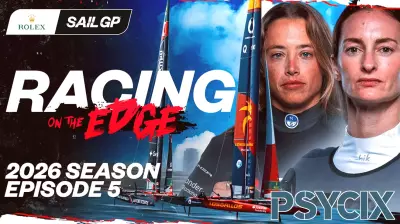
Inside the Mind: How SailGP Teams Handle Pressure and Build Winning CulturesThe human side of elite sailing takes center stage in the newest chapter of SailGP`s documentary series Racing on the Edge, created alongside Rolex. This installment shifts focus away from boat...