Teens Seek Authenticity Over Cliché Love Triangles in Storytelling
August 4, 2025 - 23:17

In a world where storytelling shapes perceptions and emotions, teens are increasingly expressing their desire for more genuine narratives. Research indicates that young audiences are fatigued by the overused trope of love triangles, which often fail to resonate with their real-life experiences. Instead, they crave stories that delve into the complexities of relationships and the spectrum of emotions that accompany them.
This shift in preference highlights a growing demand for authenticity in media representation. Teens want characters that reflect their struggles, aspirations, and the nuanced nature of love and friendship. As they navigate their own relationships, they seek stories that validate their experiences and offer relatable insights.
Writers and creators are encouraged to move beyond recycled plots and embrace innovative storytelling that captures the essence of teenage life. By prioritizing emotional depth and realism, the entertainment industry has an opportunity to engage young audiences in a meaningful way, fostering a richer connection between the stories told and the lives they lead.
MORE NEWS

October 8, 2026 - 15:57
Imitation Is How Children Learn More Than Just WordsWhen a toddler suddenly starts echoing a parent`s words, facial expressions or gestures, it can look like simple mimicry. Developmental psychology research, however, shows that imitation is closely...
October 7, 2026 - 21:42
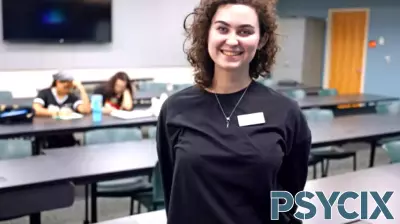
Geisinger Excited About Teaching at SCCKate Geisinger has joined Southeastern Community College as a full-time psychology instructor, bringing with her a strong commitment to student learning and intellectual growth. Geisinger says her...

October 7, 2026 - 03:39
Associate professor of psychology brings evidence-based mental wellness support directly to college studentsKaileigh Byrne, Wallace R. Roy Distinguished Associate Professor of psychology in the College of Behavioral, Social and Health Sciences, has spent years studying how people make decisions under...

October 6, 2026 - 01:22
Inside the Mind: How SailGP Teams Handle Pressure and Build Winning CulturesThe human side of elite sailing takes center stage in the newest chapter of SailGP`s documentary series Racing on the Edge, created alongside Rolex. This installment shifts focus away from boat...