Study Reveals Political Worldviews Shift Dramatically Based on Who Holds Power
April 30, 2026 - 03:25
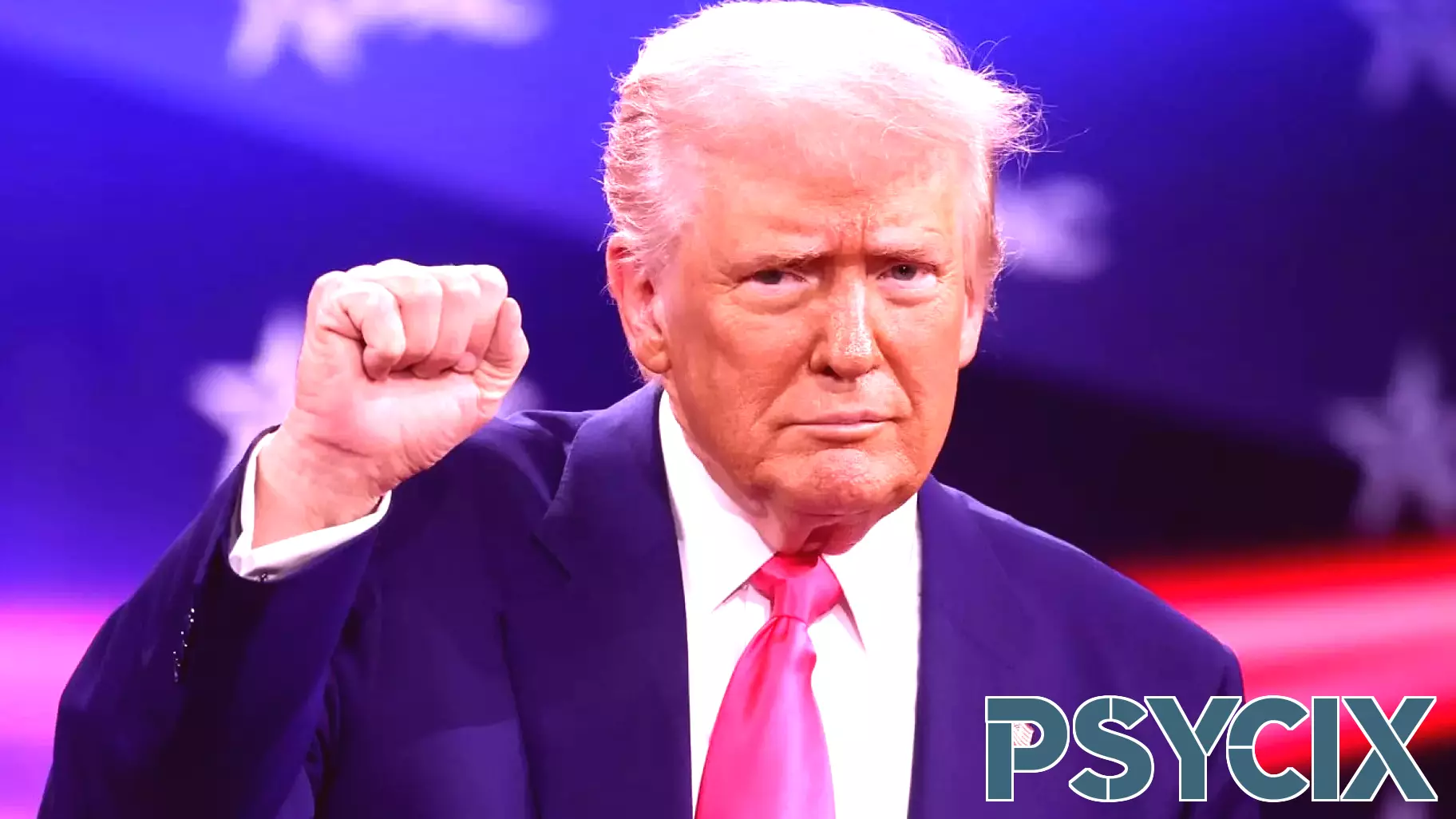
A newly published study challenges the long-held assumption that liberals and conservatives possess fundamentally fixed psychological differences. Instead, the research reveals that traits such as cynicism, institutional trust, and perceptions of fairness can flip dramatically depending on which political party occupies the White House.
The study, conducted by political psychologists, analyzed survey data spanning multiple presidential administrations. It found that when Donald Trump won the 2024 election, the psychological profiles of both liberals and conservatives underwent a significant reversal. Conservatives, who had previously expressed deep skepticism toward government institutions under Democratic leadership, suddenly reported higher levels of trust in federal agencies. Conversely, liberals, who had shown relatively high institutional trust during the Biden administration, became markedly more cynical and distrustful after Trump’s victory.
This pattern suggests that political worldviews are less about fixed personality traits and more about one’s relationship to power. The researchers argue that what is often labeled as a “conservative mindset” or “liberal mindset” may actually be a reaction to whether one’s preferred party is in control. When a group holds power, its members tend to view institutions as legitimate and fair. When out of power, the same group becomes critical and suspicious.
The findings have significant implications for understanding political polarization. If psychological differences are not inherent but situational, then bridging the divide between left and right may require less focus on changing personalities and more on addressing the dynamics of power and inclusion. The study concludes that political identity is fluid, shaped by who governs and how that governance affects one’s sense of belonging and fairness.
MORE NEWS
October 27, 2026 - 00:10
Why We Are Drawn to Stories About Ordinary People Doing Terrible ThingsThe Stanford prison experiment has fascinated the public for decades, and it keeps returning in new forms. A new Netflix production revisits the notorious 1971 study, in which college students were...
October 26, 2026 - 00:43
Creators of "The New Stanford Prison Experiment" Explain Its Surprising ConclusionThe finale of `The New Stanford Prison Experiment` takes a far more hopeful turn than the original 1971 study led by Stanford psychology professor Philip Zimbardo. That first iteration of the...
October 25, 2026 - 02:32
Study Links Peer Victimization to Negative Self-Image in TeensTeenagers who experience bullying and other forms of peer victimization tend to develop more negative views of themselves as they move through adolescence, according to new research. The study...
October 24, 2026 - 07:10
Psychology explains why some people feel calmer on rainy days while others feel low or restless; what our responses to weather reveal about mood, memories and our surroundingsFor some people rainy days feel like a peek into heaven, with the smell of mud and a hot cup of tea to cosy up with. But for others it can feel like their worst nightmare where they feel low and...