From Fragments to Flow: How Jewish Psychology and Chinese Wisdom Redefine the Self
April 29, 2026 - 13:09
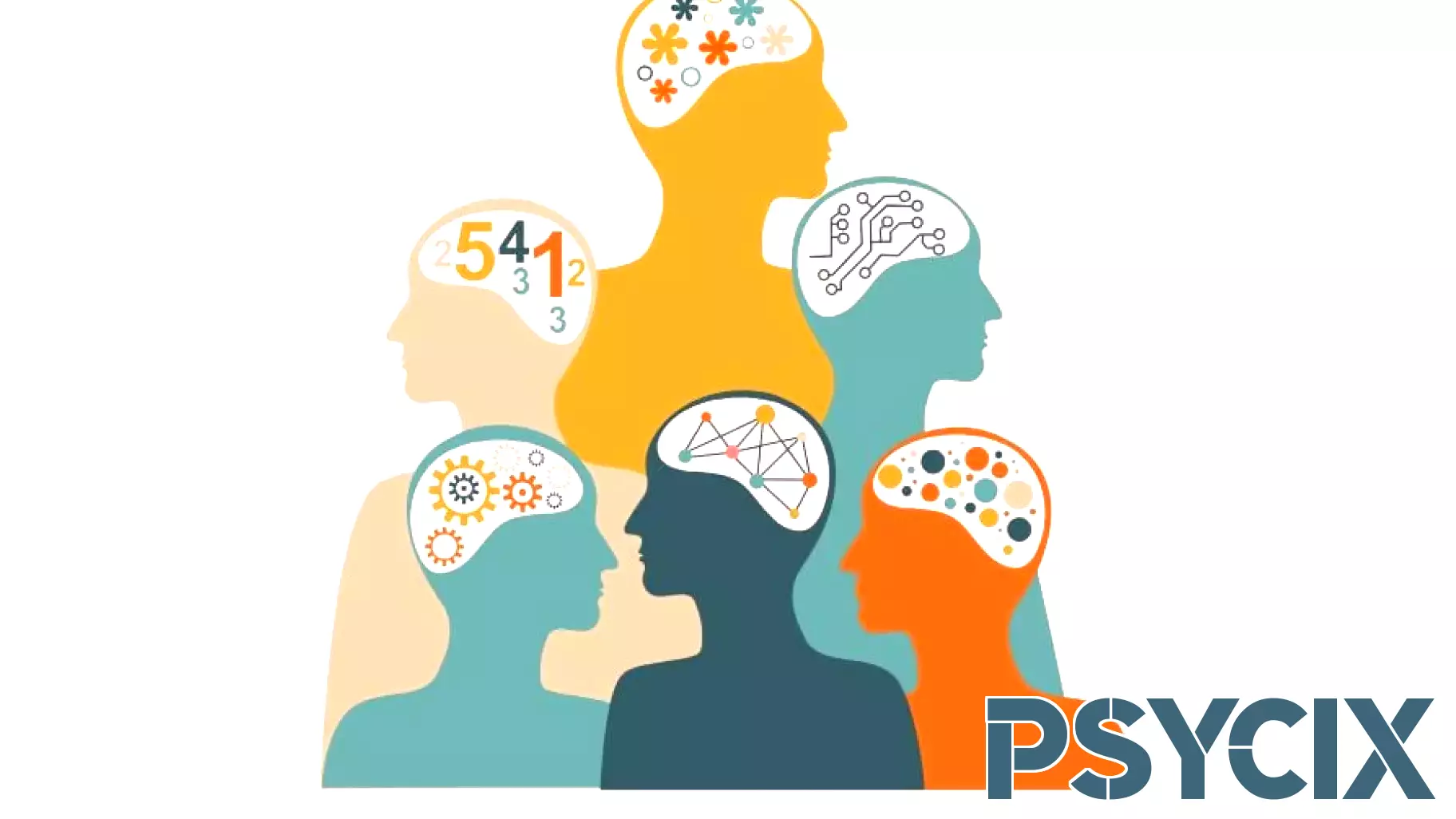
In a thought-provoking exploration of identity and healing, a new perspective emerges that bridges ancient Chinese philosophy with Jewish psychological thought. The central idea challenges the modern tendency to view the self as a collection of isolated parts—traits, traumas, diagnoses, or roles—and instead proposes a more holistic, pattern-based understanding of human consciousness.
Drawing from the wisdom of Chinese philosophical traditions, particularly Taoist concepts of harmony and the interconnectedness of all things, this approach suggests that psychological well-being is not achieved by dissecting the self into components, but by recognizing the dynamic patterns that emerge when those components interact. Just as a landscape is more than a sum of its trees and rocks, a person is more than their individual experiences or characteristics.
Jewish psychology, with its deep roots in textual interpretation, ethical reflection, and communal responsibility, offers a complementary framework. It emphasizes the narrative arc of a life, the meaning found in struggle, and the ongoing process of tikkun—repair or restoration. Together, these traditions suggest that healing comes not from fixing broken parts, but from realigning the whole pattern of one's life in relation to others, to history, and to something greater than the self.
This integrated view invites a shift away from reductionist models of mental health. Instead of asking "What is wrong with this part of me?" the question becomes "How does this pattern of my life seek balance?" By weaving together Jewish and Chinese insights, the self is reimagined not as a machine to be repaired, but as a living, evolving pattern—always in motion, always connected, and always capable of finding a new harmony.
MORE NEWS

October 26, 2026 - 00:43
Creators of "The New Stanford Prison Experiment" Explain Its Surprising ConclusionThe finale of `The New Stanford Prison Experiment` takes a far more hopeful turn than the original 1971 study led by Stanford psychology professor Philip Zimbardo. That first iteration of the...

October 25, 2026 - 02:32
Study Links Peer Victimization to Negative Self-Image in TeensTeenagers who experience bullying and other forms of peer victimization tend to develop more negative views of themselves as they move through adolescence, according to new research. The study...

October 24, 2026 - 07:10
Psychology explains why some people feel calmer on rainy days while others feel low or restless; what our responses to weather reveal about mood, memories and our surroundingsFor some people rainy days feel like a peek into heaven, with the smell of mud and a hot cup of tea to cosy up with. But for others it can feel like their worst nightmare where they feel low and...

October 23, 2026 - 17:26
The First Corporate Psychopath Was a 17th Century Dutch MutineerA psychologist studying the wreck of the Dutch East India Company ship Batavia has identified what may be the first documented corporate psychopath: Jeronimus Cornelisz, an undermanager whose...