**Strategies for Caregivers to Enhance Hospital Communication**
March 21, 2026 - 19:14
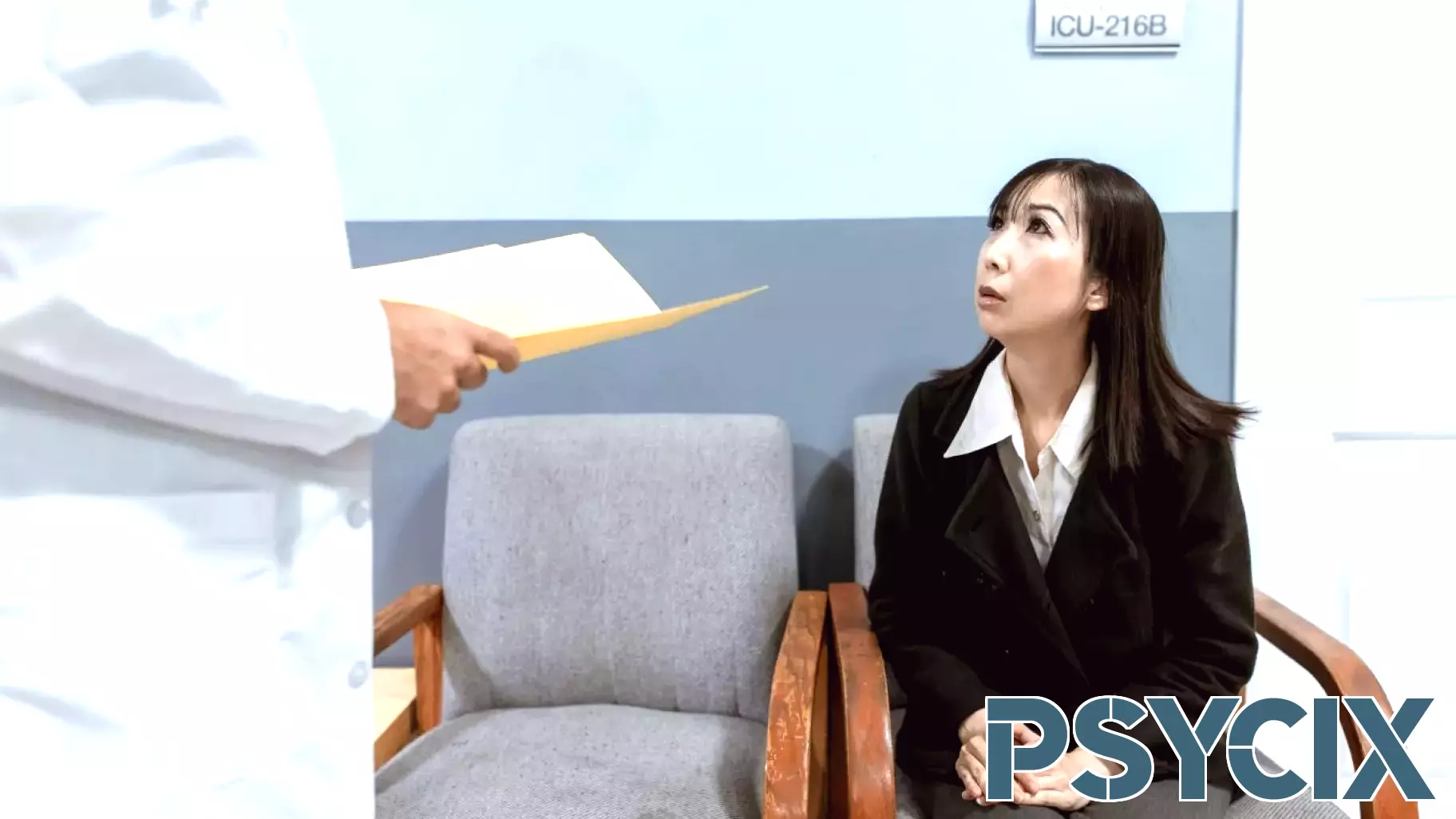
Navigating the complexities of hospital care for a loved one is an emotionally taxing experience. Effective communication with medical staff is crucial, yet often daunting for overwhelmed caregivers. Implementing a few key strategies can foster clearer dialogue and better outcomes for the patient.
Preparation is essential. Before doctor's rounds or key meetings, write down questions and concerns in a dedicated notebook. This prevents important details from being forgotten in stressful moments. Designate a primary family spokesperson to streamline information flow, ensuring the care team receives consistent updates and reducing confusion.
Active listening and respectful partnership are vital. While advocating strongly for your loved one, approach interactions collaboratively. Use clear, direct language about symptoms or changes you observe, as your firsthand perspective is invaluable. Don't hesitate to ask for clarification on medical terms or care plans until you fully understand.
Finally, maintain organized records of medications, test results, and care instructions. This log becomes a critical reference point during shift changes or consultations with specialists. By adopting these focused approaches, caregivers can build more productive relationships with hospital staff, ultimately contributing to a higher standard of care during a critical time.
MORE NEWS

September 19, 2026 - 01:14
Psychology says employees who call in sick even when they really need personal leave may be responding toThat is the takeaway from a growing body of psychological research on how workers manage the gap between what they need and what their employers will accept. Employees are often conscious of how...

September 18, 2026 - 08:45
Psychology says people who stand in queue for hours to buy an iPhone aren't necessarily Apple fans, they mEvery September, crowds gather outside Apple stores around the world. Some arrive days early, armed with camping chairs and portable chargers. The behavior puzzles observers who note that the same...

September 17, 2026 - 20:04
My holiday is still a year away. It’s already boosting my mental healthThe countdown has begun, even if the calendar says otherwise. We are still months from ordering our first suspiciously expensive waterside cocktail, but Greece has joyfully entered the group chat....

September 17, 2026 - 15:41
The 'Hibernation Instinct' Is Real — This Is the Psychology Behind the Desire to Hunker Down When the Weather Starts to ShiftThe urge to retreat indoors when temperatures drop is not laziness. It is biology. Researchers describe a hibernation instinct that lingers in humans, a leftover from ancestors who conserved energy...