Small Changes for a Big Boost in Happiness
April 9, 2025 - 22:01

We all lead busy lives, and yet, sometimes the smallest tweaks in our day can bring about the most significant improvements in our overall happiness. According to recent insights from psychology, there are eight tiny lifestyle upgrades that can lead to surprisingly large benefits for our well-being.
One of the simplest changes is cultivating gratitude. Taking a moment each day to reflect on what you are thankful for can shift your mindset and enhance your mood. Additionally, incorporating brief moments of mindfulness, such as deep breathing or meditation, can help reduce stress and increase feelings of calm.
Another effective strategy is to prioritize social connections. Engaging in meaningful conversations with friends or family, even if just for a few minutes, can foster a sense of belonging and support. Moreover, establishing a regular exercise routine, even if it’s just a short walk, can significantly elevate your energy levels and improve your outlook.
These small adjustments, when practiced consistently, can create a ripple effect, leading to a more joyful and fulfilled life. Embracing these changes may be the key to unlocking greater happiness in our daily routines.
MORE NEWS

October 8, 2026 - 15:57
Imitation Is How Children Learn More Than Just WordsWhen a toddler suddenly starts echoing a parent`s words, facial expressions or gestures, it can look like simple mimicry. Developmental psychology research, however, shows that imitation is closely...
October 7, 2026 - 21:42
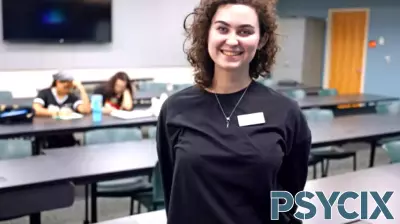
Geisinger Excited About Teaching at SCCKate Geisinger has joined Southeastern Community College as a full-time psychology instructor, bringing with her a strong commitment to student learning and intellectual growth. Geisinger says her...

October 7, 2026 - 03:39
Associate professor of psychology brings evidence-based mental wellness support directly to college studentsKaileigh Byrne, Wallace R. Roy Distinguished Associate Professor of psychology in the College of Behavioral, Social and Health Sciences, has spent years studying how people make decisions under...

October 6, 2026 - 01:22
Inside the Mind: How SailGP Teams Handle Pressure and Build Winning CulturesThe human side of elite sailing takes center stage in the newest chapter of SailGP`s documentary series Racing on the Edge, created alongside Rolex. This installment shifts focus away from boat...