Seven Enjoyable Activities for Introverts That Others Might Overlook
June 14, 2025 - 20:27

This article unpacks seven often-overlooked introvert pleasures—grounded in fresh psychological research—to reveal why quiet rituals can supercharge well-being and focus for anyone willing to try them. Introverts often thrive in environments that allow for introspection and solitude, leading to unique sources of joy that may not resonate with extroverts.
First, introverts often find great satisfaction in solitary reading. Engaging with a book allows them to explore new worlds without the need for social interaction. Secondly, nature walks can be a source of peace, providing a chance to recharge away from the hustle and bustle of daily life.
Creative hobbies, such as painting or writing, also serve as a fulfilling outlet for self-expression. Additionally, introverts may enjoy deep conversations with close friends, which can foster meaningful connections without the overwhelm of larger social gatherings.
Mindfulness practices, such as meditation, help introverts center themselves and enhance focus. Lastly, spending time with pets can offer unconditional love and companionship, making for a comforting experience. These activities highlight the beauty of introverted preferences and the profound benefits they can bring to anyone willing to embrace them.
MORE NEWS

October 9, 2026 - 01:11
Psychology Professors Raise Concerns About AI Dependence in StudentsPsychology professors are expressing growing concern that students` increasing reliance on artificial intelligence tools may be weakening essential cognitive and academic skills. In a recent...

October 8, 2026 - 15:57
Imitation Is How Children Learn More Than Just WordsWhen a toddler suddenly starts echoing a parent`s words, facial expressions or gestures, it can look like simple mimicry. Developmental psychology research, however, shows that imitation is closely...
October 7, 2026 - 21:42
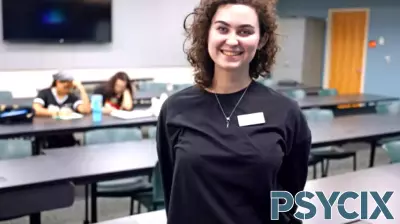
Geisinger Excited About Teaching at SCCKate Geisinger has joined Southeastern Community College as a full-time psychology instructor, bringing with her a strong commitment to student learning and intellectual growth. Geisinger says her...

October 7, 2026 - 03:39
Associate professor of psychology brings evidence-based mental wellness support directly to college studentsKaileigh Byrne, Wallace R. Roy Distinguished Associate Professor of psychology in the College of Behavioral, Social and Health Sciences, has spent years studying how people make decisions under...