Scientists Find Intense Psychological Differences in People Who Exercise
February 15, 2026 - 21:26
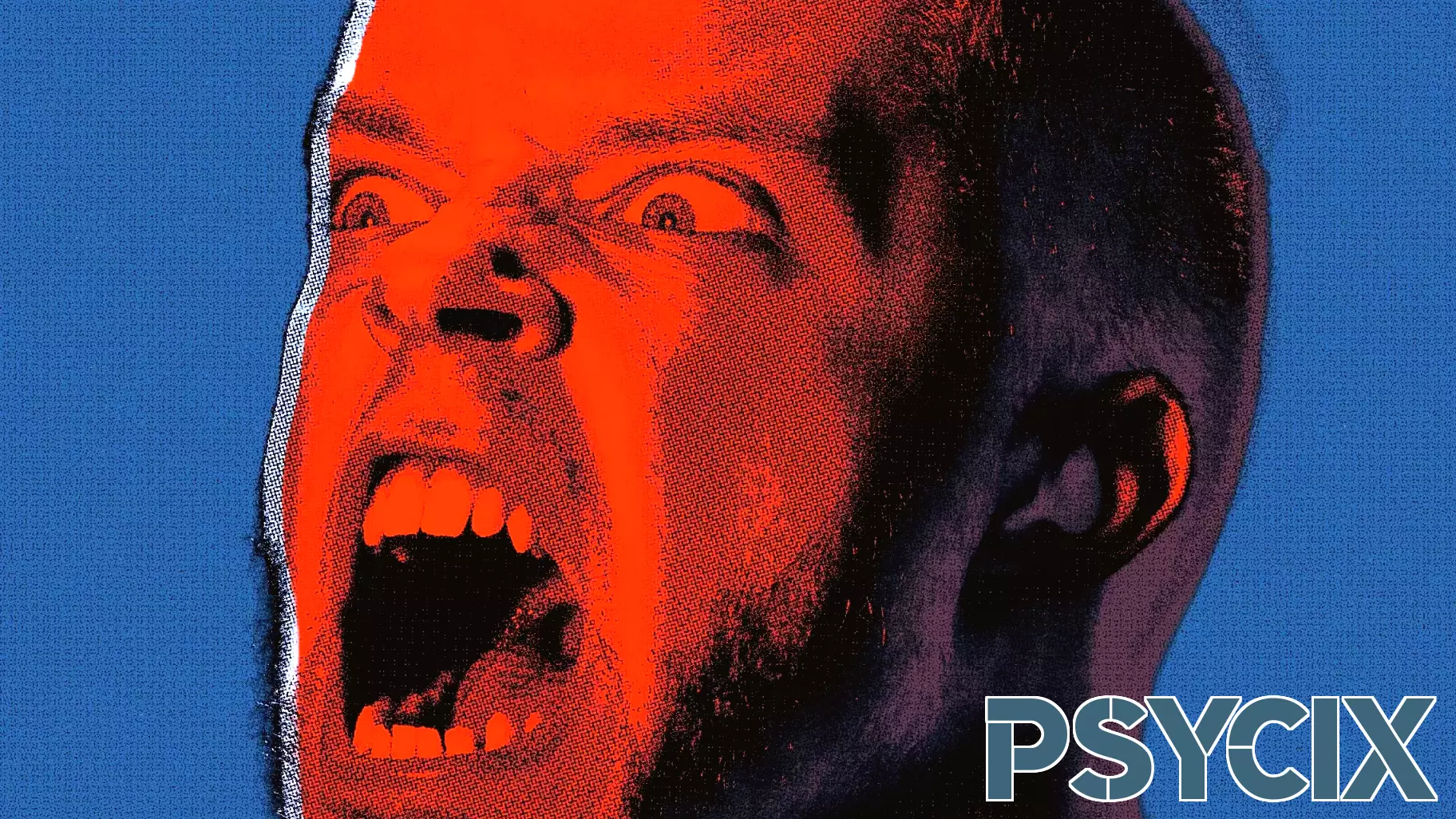
A new wave of psychological research is revealing profound differences in how the minds of regular exercisers operate compared to their more sedentary peers. The key finding centers on stress management, with active individuals demonstrating a significantly more robust and adaptive psychological response to pressure.
Scientists report that those who engage in consistent physical activity don't just experience the well-documented endorphin rush. They appear to develop a heightened cognitive buffer against stress. This manifests as a calmer, more focused reaction to challenging situations, allowing for clearer thinking under pressure. The studies suggest exercise trains the brain much like it trains the body, enhancing emotional regulation and reducing the intensity of anxiety responses.
Furthermore, researchers point to improvements in executive function—the brain's command center for planning, decision-making, and impulse control. This mental sharpening provides exercisers with better tools to navigate daily hassles and major stressors alike. The evidence indicates that the psychological gap is not merely about feeling happier in the moment, but about forging a fundamentally more resilient and composed mindset, built through the repeated physiological challenge of exercise.
MORE NEWS

October 2, 2026 - 18:14
Rethinking Wealth: Why Financial Knowledge Alone Is Not EnoughFinancial educator and investor Dr. Jatali Bellanton is challenging the way people think about money, success, and the decisions that shape long term stability. In a recent conversation, she...

October 2, 2026 - 12:39
Psychology organisations apologise for harm caused to MāoriAt an event in Wellington today, professional psychology organisations issued a formal apology to Maori for the harm caused by racism within the field of psychology. The apology, delivered during a...

October 1, 2026 - 20:17
Source Matters: Comparing Employee Reactions to Human, AI, and Hybrid Performance Feedback | Frontiers in PsychologyA new study compares anticipated reactions to identical performance feedback described as manager-written, AI-generated, or a combination of both, raising questions about how managers use AI in...

October 1, 2026 - 02:47
Why Sleeping Through Problems Does Not Solve ThemAfter an argument, someone may choose to sleep for a while and calm down. Another person may head to bed simply to escape a difficult conversation. There is an important difference between the two....