Revitalize Your Relationship: Five Free Activities for Couples
September 7, 2025 - 18:06
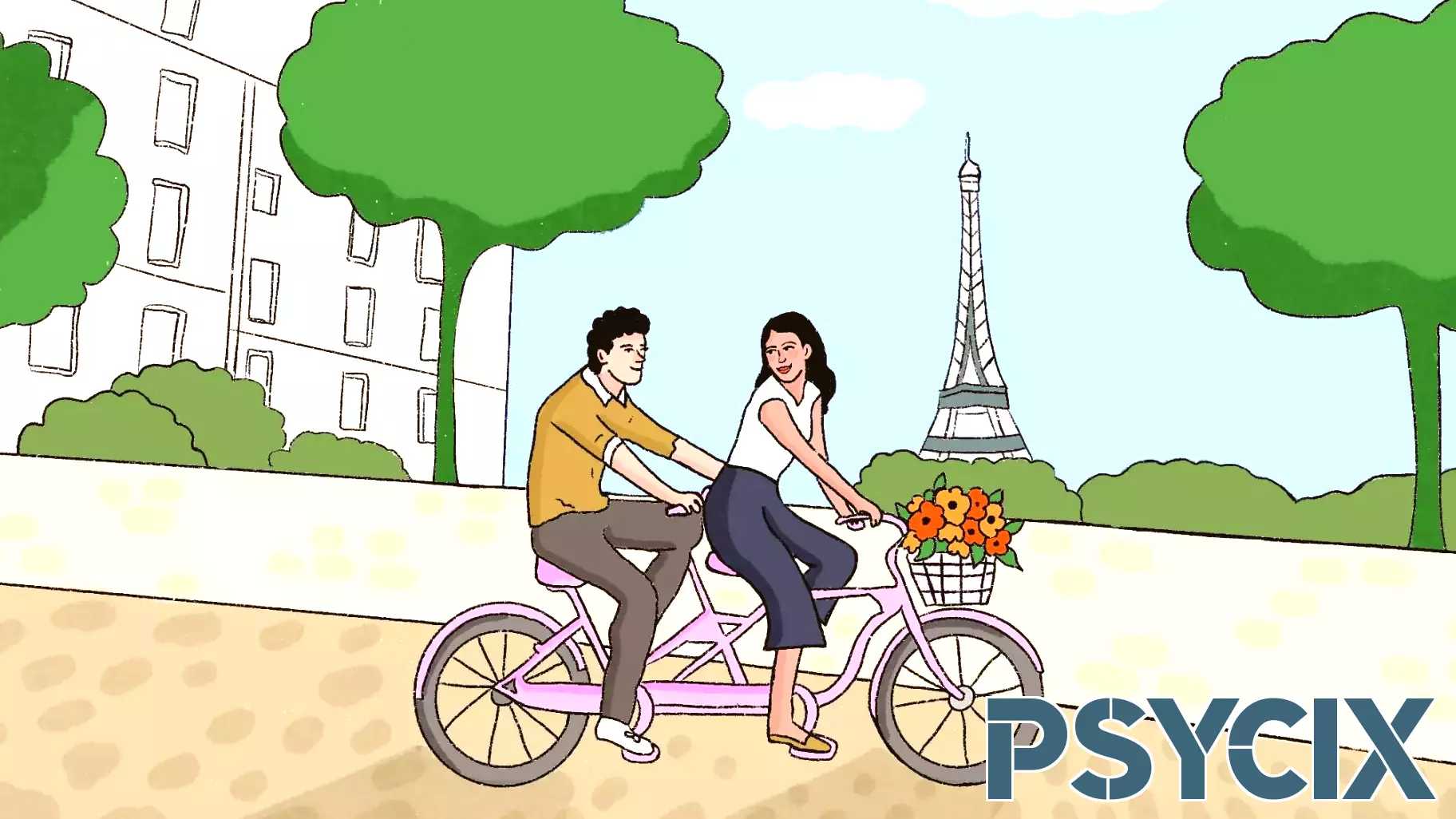
Tired of the same old dinner and a movie routine? A psychologist specializing in couples' dynamics reveals that the happiest relationships thrive on shared experiences that don’t break the bank. According to recent insights, couples who engage in enjoyable activities together foster deeper connections and maintain the spark in their relationship.
One key activity is exploring nature through hiking or walking in the park. This not only promotes physical health but also provides a serene environment for meaningful conversations. Another fun idea is to cook together, turning meal preparation into a bonding experience filled with laughter and collaboration.
Additionally, couples can enjoy game nights at home, whether it’s board games or card games, which encourage teamwork and friendly competition. Volunteering together is another fulfilling option, allowing couples to connect while giving back to their community. Lastly, simply stargazing can create a magical atmosphere, providing an opportunity for reflection and intimacy.
These activities, all costing nothing but time and effort, can significantly enhance relationship satisfaction and joy.
MORE NEWS

October 8, 2026 - 15:57
Imitation Is How Children Learn More Than Just WordsWhen a toddler suddenly starts echoing a parent`s words, facial expressions or gestures, it can look like simple mimicry. Developmental psychology research, however, shows that imitation is closely...
October 7, 2026 - 21:42
Geisinger Excited About Teaching at SCCKate Geisinger has joined Southeastern Community College as a full-time psychology instructor, bringing with her a strong commitment to student learning and intellectual growth. Geisinger says her...

October 7, 2026 - 03:39
Associate professor of psychology brings evidence-based mental wellness support directly to college studentsKaileigh Byrne, Wallace R. Roy Distinguished Associate Professor of psychology in the College of Behavioral, Social and Health Sciences, has spent years studying how people make decisions under...

October 6, 2026 - 01:22
Inside the Mind: How SailGP Teams Handle Pressure and Build Winning CulturesThe human side of elite sailing takes center stage in the newest chapter of SailGP`s documentary series Racing on the Edge, created alongside Rolex. This installment shifts focus away from boat...