Rethinking Stupidity: A Deeper Look into Societal Surrender
June 27, 2025 - 23:29
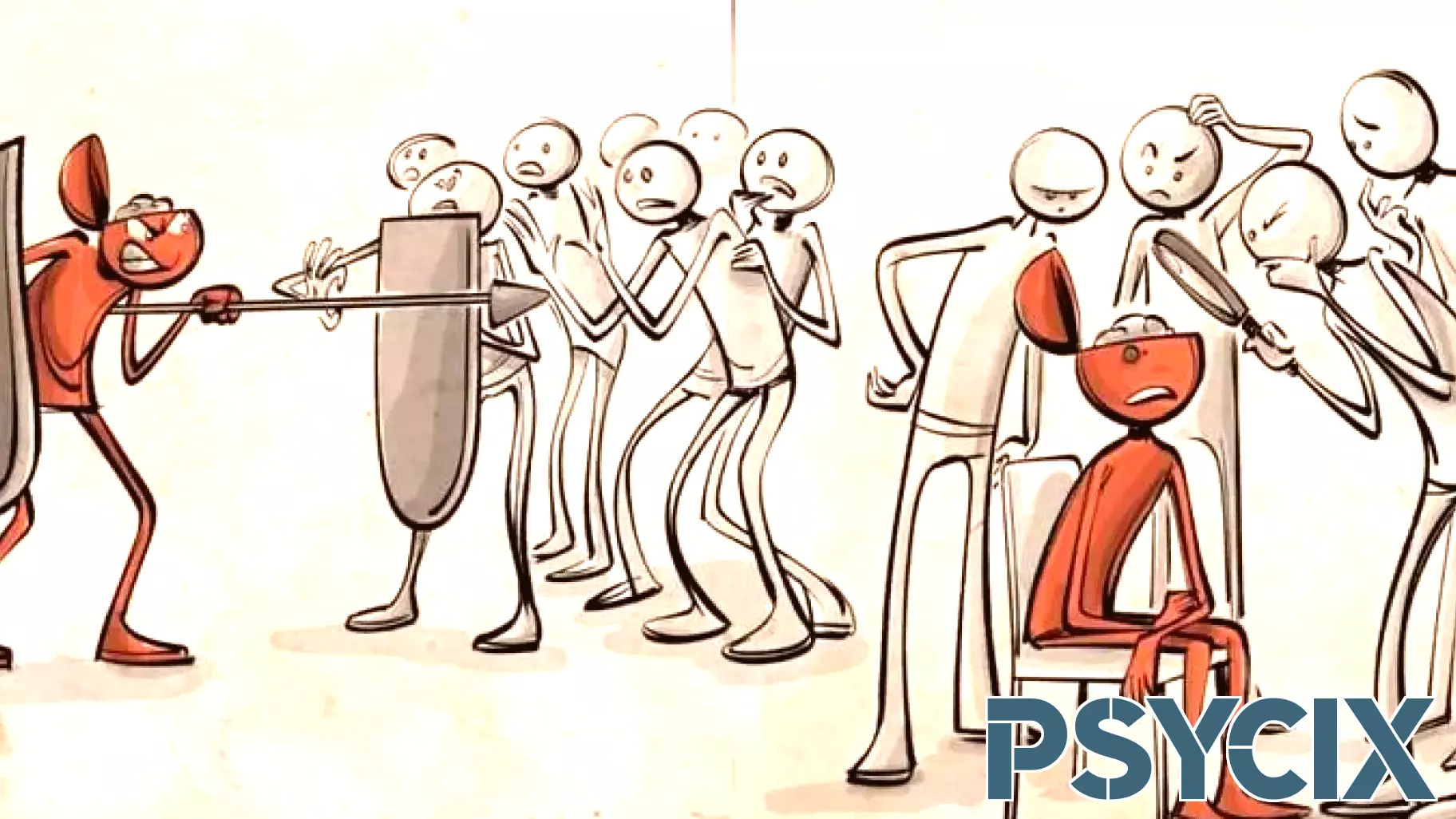
What if stupidity isn’t what you think it is? Not a lack of intelligence. Not an absence of education. But something far more sinister lurking beneath the surface of societal behavior. Recent discussions among psychologists and sociologists have illuminated the notion that what we often label as "stupidity" may be a manifestation of deeper psychological mechanisms at play.
In many cases, individuals and societies may choose ignorance over enlightenment, surrendering to convenience rather than confronting uncomfortable truths. This tendency can be attributed to cognitive dissonance, where people prefer to maintain their beliefs and values rather than challenge them with new information.
Moreover, the phenomenon of groupthink can exacerbate this issue, where the desire for harmony and conformity within a group leads to poor decision-making and a collective retreat from rational thought. As societies navigate complex issues, the silent surrender to ignorance poses a significant threat to progress, urging a reevaluation of how we perceive and address the roots of what we deem as stupidity.
MORE NEWS

October 9, 2026 - 01:11
Psychology Professors Raise Concerns About AI Dependence in StudentsPsychology professors are expressing growing concern that students` increasing reliance on artificial intelligence tools may be weakening essential cognitive and academic skills. In a recent...

October 8, 2026 - 15:57
Imitation Is How Children Learn More Than Just WordsWhen a toddler suddenly starts echoing a parent`s words, facial expressions or gestures, it can look like simple mimicry. Developmental psychology research, however, shows that imitation is closely...

October 7, 2026 - 21:42
Geisinger Excited About Teaching at SCCKate Geisinger has joined Southeastern Community College as a full-time psychology instructor, bringing with her a strong commitment to student learning and intellectual growth. Geisinger says her...

October 7, 2026 - 03:39
Associate professor of psychology brings evidence-based mental wellness support directly to college studentsKaileigh Byrne, Wallace R. Roy Distinguished Associate Professor of psychology in the College of Behavioral, Social and Health Sciences, has spent years studying how people make decisions under...