Rethinking Creativity: The Role of Human Input in AI Innovation
January 1, 2025 - 09:50
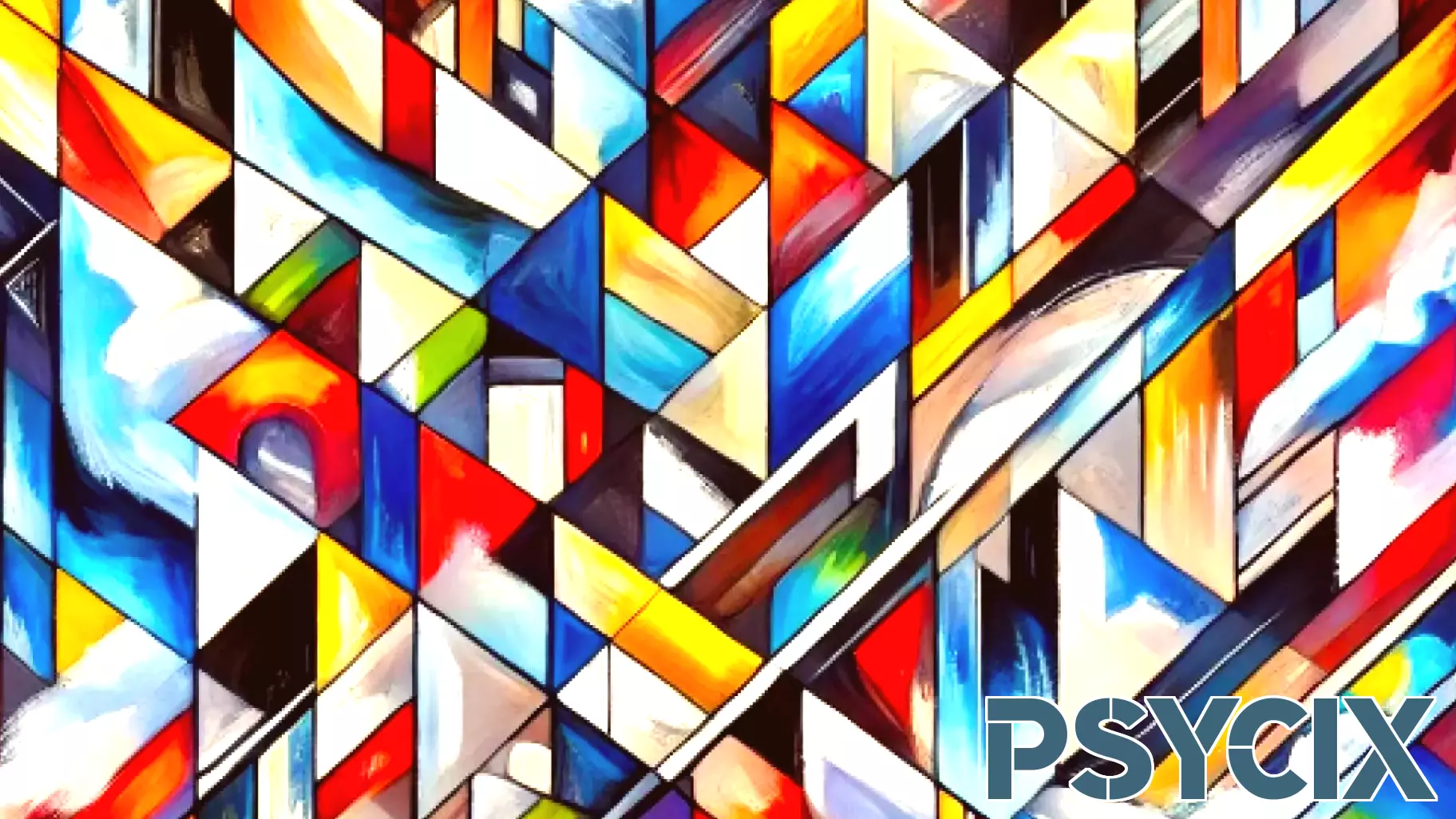
As artificial intelligence continues to evolve, it is reshaping our understanding of creativity and authorship. AI technologies are increasingly capable of producing art, music, and literature, prompting a critical examination of the role human input plays in these creative processes. The convergence of talent and technology is blurring the lines between human creativity and machine-generated content, challenging traditional notions of what it means to be a creator.
Many artists and creators are now collaborating with AI, using these tools to enhance their work rather than replace it. This partnership raises important questions about originality and the value of human intuition in creative endeavors. While AI can generate impressive results based on vast datasets, it often lacks the emotional depth and personal experiences that characterize human creativity.
As society navigates this new landscape, it is essential to consider how we define creativity and the significance of human contributions in an increasingly automated world. The dialogue around AI's role in creative fields is just beginning, and its implications will likely shape the future of artistic expression.
MORE NEWS

October 8, 2026 - 15:57
Imitation Is How Children Learn More Than Just WordsWhen a toddler suddenly starts echoing a parent`s words, facial expressions or gestures, it can look like simple mimicry. Developmental psychology research, however, shows that imitation is closely...
October 7, 2026 - 21:42
Geisinger Excited About Teaching at SCCKate Geisinger has joined Southeastern Community College as a full-time psychology instructor, bringing with her a strong commitment to student learning and intellectual growth. Geisinger says her...

October 7, 2026 - 03:39
Associate professor of psychology brings evidence-based mental wellness support directly to college studentsKaileigh Byrne, Wallace R. Roy Distinguished Associate Professor of psychology in the College of Behavioral, Social and Health Sciences, has spent years studying how people make decisions under...

October 6, 2026 - 01:22
Inside the Mind: How SailGP Teams Handle Pressure and Build Winning CulturesThe human side of elite sailing takes center stage in the newest chapter of SailGP`s documentary series Racing on the Edge, created alongside Rolex. This installment shifts focus away from boat...