Rethinking America's Gun Culture: A Path to Safety
December 14, 2024 - 22:38
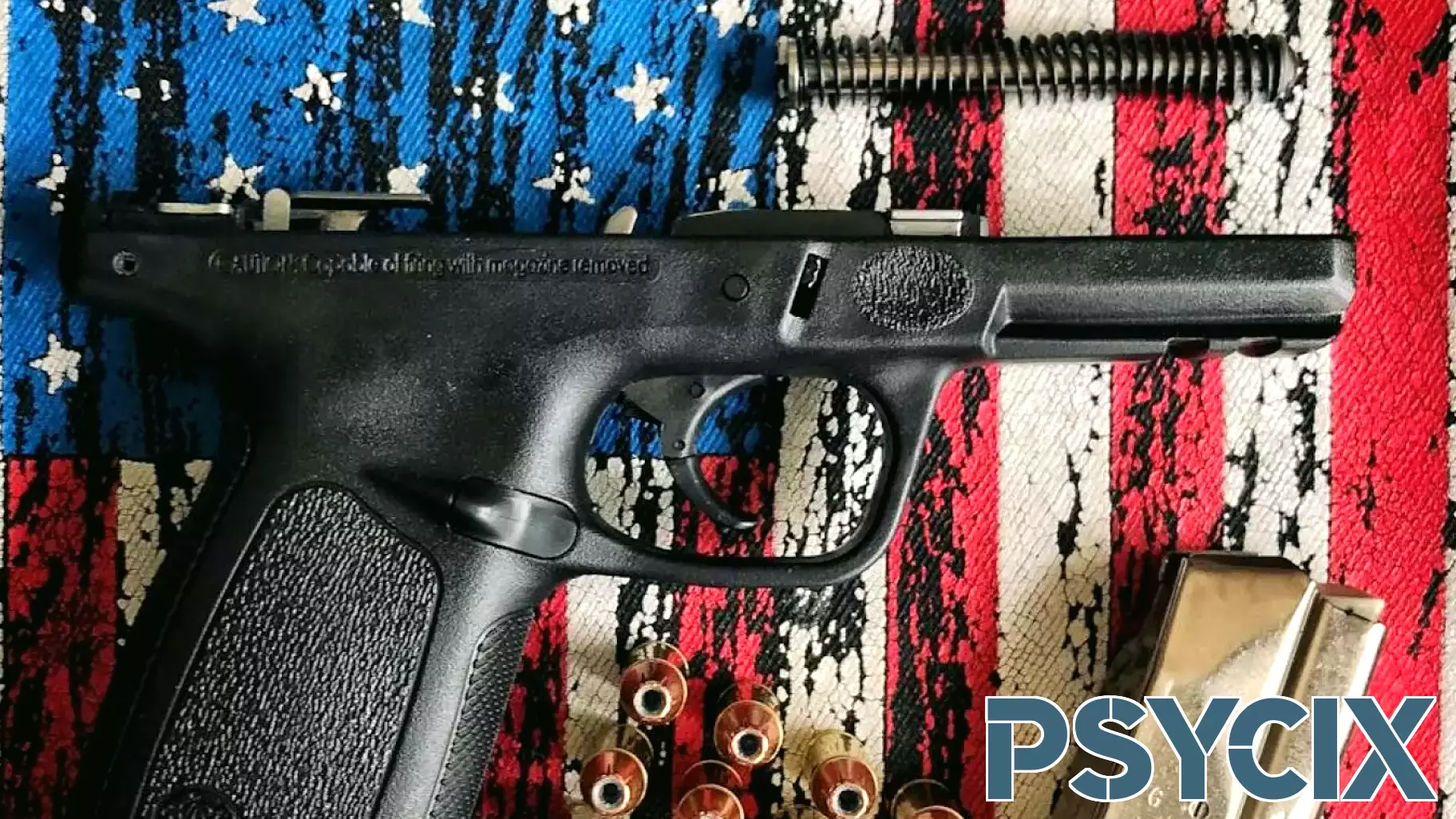
The ongoing debate surrounding firearms in America has reached a critical juncture, prompting a reevaluation of the nation's relationship with guns. The question arises: can America break free from its entrenched gun culture and foster a new perspective?
Education plays a pivotal role in this transformation. By prioritizing comprehensive firearm education, individuals can develop a deeper understanding of gun safety, responsible ownership, and the implications of gun violence. This shift in focus encourages a culture of responsibility rather than one of power and intimidation.
Shared values within communities can also contribute to changing perceptions about firearms. By emphasizing safety, respect, and the importance of human life, communities can unite to create a more responsible approach to gun ownership. Initiatives that promote dialogue and understanding among diverse groups can help bridge the gap between differing views on firearms.
Ultimately, transforming firearms from symbols of power to instruments of safety requires a collective commitment to education, responsibility, and shared values. Only then can America move toward a healthier relationship with firearms, prioritizing safety and community well-being over fear and division.
MORE NEWS

October 8, 2026 - 15:57
Imitation Is How Children Learn More Than Just WordsWhen a toddler suddenly starts echoing a parent`s words, facial expressions or gestures, it can look like simple mimicry. Developmental psychology research, however, shows that imitation is closely...
October 7, 2026 - 21:42
Geisinger Excited About Teaching at SCCKate Geisinger has joined Southeastern Community College as a full-time psychology instructor, bringing with her a strong commitment to student learning and intellectual growth. Geisinger says her...

October 7, 2026 - 03:39
Associate professor of psychology brings evidence-based mental wellness support directly to college studentsKaileigh Byrne, Wallace R. Roy Distinguished Associate Professor of psychology in the College of Behavioral, Social and Health Sciences, has spent years studying how people make decisions under...

October 6, 2026 - 01:22
Inside the Mind: How SailGP Teams Handle Pressure and Build Winning CulturesThe human side of elite sailing takes center stage in the newest chapter of SailGP`s documentary series Racing on the Edge, created alongside Rolex. This installment shifts focus away from boat...