Report highlights ‘startling disconnect’ between seminary formators, psychological experts
July 17, 2026 - 15:11
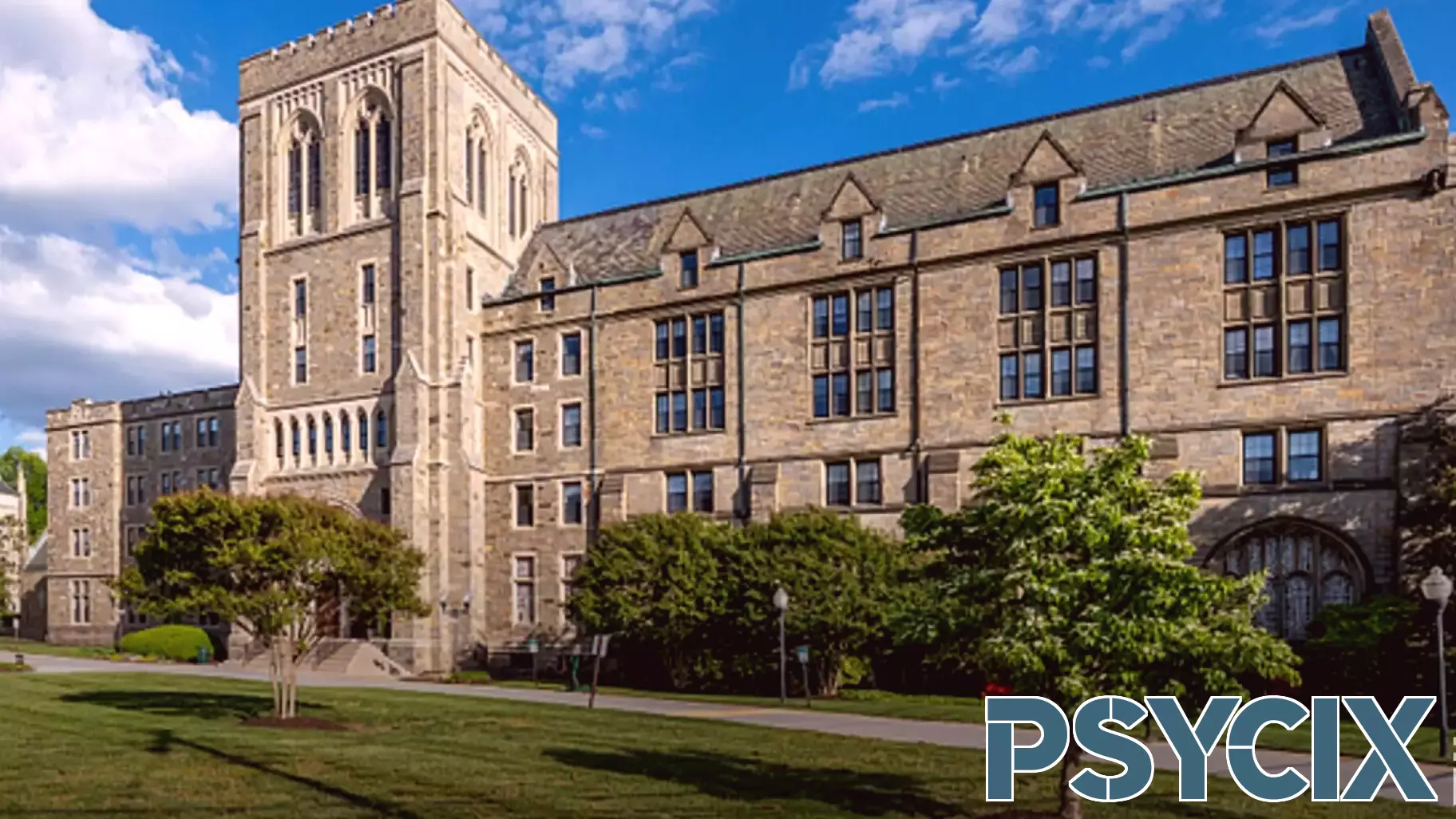
A new study from the University of Notre Dame's McGrath Institute for Church Life reveals growing mental health challenges among seminarians and calls for major changes in how psychological care is used in priestly formation. The report urges bishops to prioritize the quality of candidates over the quantity of men entering seminaries.
The report highlights what it calls a "startling disconnect" between seminary formators and clinical professionals, particularly regarding the sexual maturity of new students. Psychologists say psychological resources are being underused and misunderstood in formation programs. They want greater collaboration between formators and mental health staff.
Titled "Do You Know Them to be Worthy?", the report builds on 2025 research from Georgetown University's Center for Applied Research in the Apostolate. That data was used as the basis for a September 2025 conference and the resulting report released this week.
The CARA data supported the perception that many bishops still prioritize numbers over quality when advancing candidates to ordination. The report argues that the Church must move beyond a fixation on numbers and insist on the quality of men being called to the priesthood.
Psychological Evaluations Often Misunderstood
Psychological evaluations have long been part of the seminary application process, but the report found they are frequently underutilized and misunderstood. Many vocation directors and seminary rectors treat the evaluation as a simple pass-fail test. The report calls this a "check-the-box mentality."
Researchers argue for more intentional and thorough psychological treatment, including regular therapy and counseling for seminarians. They recommend conducting thorough psychological assessments at least twice during formation. They also call for greater dialogue between the internal and external forums in seminary formation. Previous research found that 23% of recently ordained priests admitted concealing things about themselves that they should have made known to their formators.
Rising Mental Health Needs
The report notes that men are entering seminary with more psychological needs than in the past. Overall mental health needs in society are increasing. The report cites studies showing 54% of adults experience loneliness, 66% report physical symptoms of stress, and 69% say they need more emotional support than they previously received.
The report also addresses changing psychosexual behavior among seminary applicants. As applicants become more adept with technology, the range and complexity of sexual experiences and behaviors continue to expand. Behaviors once relatively uncommon have become more prevalent.
The disconnect between formators and mental health professionals is stark. The CARA data found that 85% of bishops, 84% of rectors, and 72% of vocation directors are confident or very confident that seminaries adequately form men for sexual maturity. Only 35% of mental health professionals shared that confidence, and only 14% said they were very confident.
Autism Spectrum Disorder on the Rise
The report notes an increasing number of candidates with special needs, particularly autism spectrum disorder. The prevalence of ASD has risen dramatically from 0.5 per 1000 children in the 1960s and 1970s to 32.2 per 1000 children in 2022. More seminarians are presenting symptoms of ASD.
The CARA data found that 57% of bishops are concerned about advancing a candidate who is high functioning on the autism spectrum. Twenty percent said this alone would disqualify a man from ordination. The report calls for urgent research and development of resources for assessing candidates with ASD and accompanying them through formation.
Proposals for Change
Researchers proposed several changes to psychological formation. They recommend that every seminary have a staff psychologist and that there be increased collaboration between psychologists and the formation team. This includes sharing reports and discussing a seminarian's progress to set clear formation goals.
To address issues of pornography and masturbation, the report argues that the current binary or reset-based model of tracking behaviors is insufficient. These strategies can oversimplify the dynamics of behavioral change and lead to discouragement. Instead, they recommend a sustained pattern of continence with increasing stability and rapid recovery from lapses.
The report also addresses the admission of men who experience same-sex attraction. It notes that the Vatican's 2005 instruction is clear that men with deep-seated homosexual tendencies should not be ordained. However, only 36% of mental health professionals find that document helpful, compared to about 60% of bishops, formators, and vocation directors.
Professionals criticized the lack of clear definitions for transitory versus deep-seated same-sex attraction. The report recommends adopting definitions used by many Catholic psychologists that distinguish the two based on temporal duration. If same-sex attractions persist for longer than five years without evidence of resolution, the diagnosis changes from transitory to deep-seated.
Researchers concluded that providing access to appropriate psychotherapy within the formation process better serves the seminarian, promotes genuine human freedom, and increases the likelihood of lasting growth and symptom resolution.
MORE NEWS

October 15, 2026 - 09:50
Psychology study finds children with more severe social anxiety often have parents who offer repeated reassurance or help them avoid stressful situationsParents often try to calm an anxious child by offering repeated reassurance, changing family routines or helping the child sidestep situations that cause distress. These responses can bring relief...

October 14, 2026 - 21:19
Year-Round Daylight Saving Time Would Mean Darker Winter Mornings, Professor WarnsA psychology professor is raising concerns about the push to make Daylight Saving Time permanent, warning that the change would force residents to endure extended periods of darkness during the...

October 14, 2026 - 16:09
When AI becomes a tool for psychological manipulation: A new challenge for digital security.Artificial intelligence is reshaping how criminals target and control their victims. What once required a skilled con artist can now be automated, scaled, and disguised as a friendly voice or a...

October 13, 2026 - 23:44
Gold Award Girl Scout Organizes Psychology Expo for High School StudentsA local scout has achieved the highest recognition available in her organization by creating a resource for students navigating mental health challenges. Hayley Elisa Castro from Long Valley was...