Travel Isn't Just a Break - It's a Disruption
July 16, 2026 - 17:48
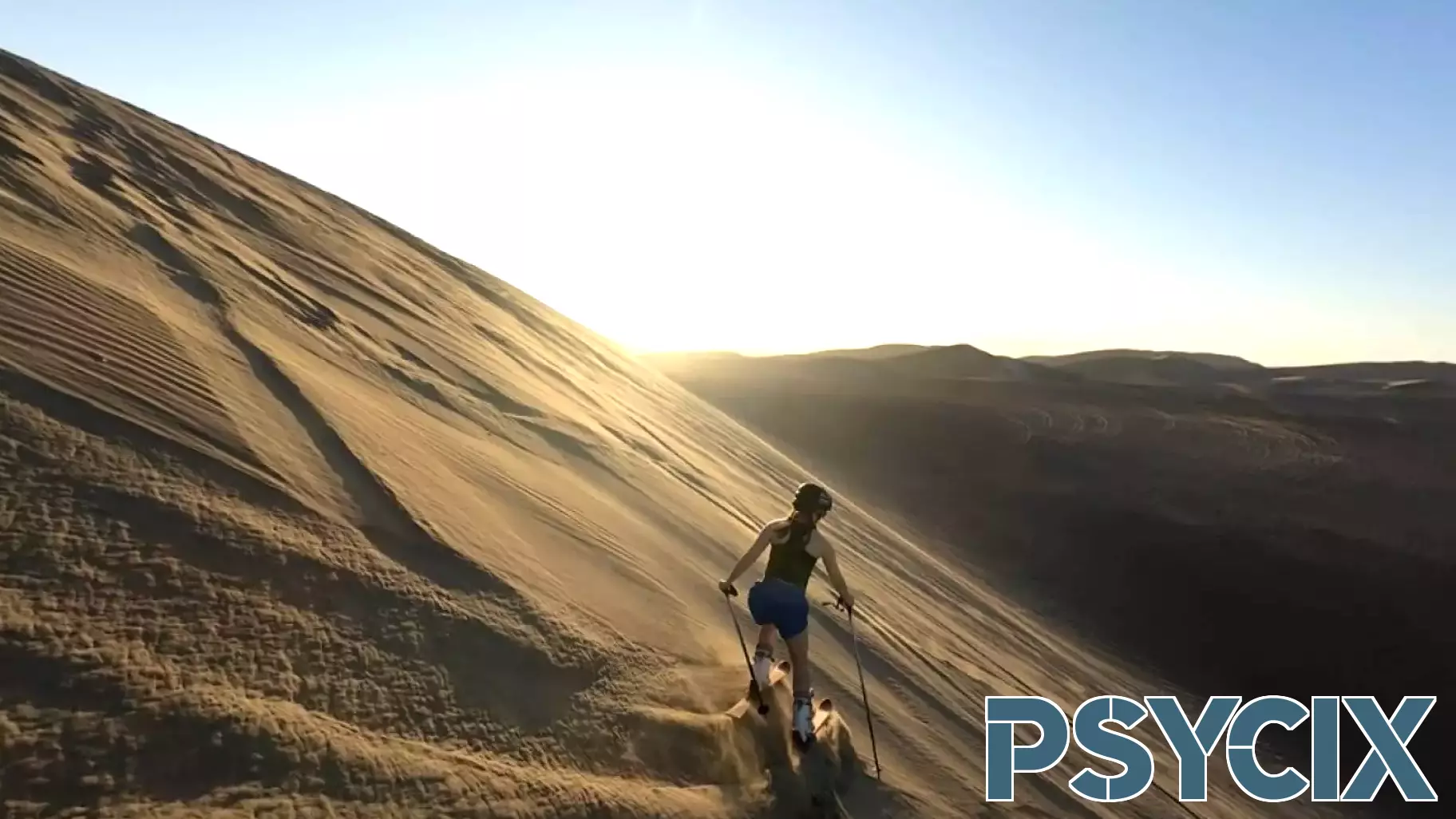
You don't need a trip to relax. You need one to unsettle yourself. That is the argument gaining traction among neuroscientists who study how travel affects the brain. The old idea that a vacation simply lowers stress and resets your mood is being replaced by something more interesting: travel temporarily breaks your identity, and that is exactly the point.
When you step into an unfamiliar environment, your brain cannot rely on its usual shortcuts. The automatic scripts that guide your daily life - the route to work, the coffee order, the tone of voice you use with colleagues - all stop working. Your brain enters a state of heightened alertness. It has to build new maps, learn new social cues, and pay attention to details it normally ignores. This is not relaxing. It is cognitively demanding. But it is also deeply valuable.
Neuroscience research shows that this disruption forces the brain to form new neural connections. The parts of your brain responsible for self-awareness and identity become less stable. You feel less like "yourself" because the usual cues that define you are gone. In a foreign city, no one knows your job, your history, or your reputation. You are stripped of context. That can feel disorienting, even uncomfortable. But it also opens a door.
Without the weight of your usual identity, you can experiment. You can act differently, try new foods, speak a broken language, get lost on purpose. The brain becomes more plastic, more willing to change. Studies show that people who travel regularly score higher on measures of creativity and openness to new experiences. They also report feeling more resilient. The temporary loss of identity teaches them that identity is not fixed. It can be reshaped.
The real benefit of travel, then, is not the break from work. It is the break from the story you tell yourself about who you are. When that story gets interrupted, even for a week, you come home slightly different. You have seen that the world works in other ways, and that you can function in them. That knowledge stays with you long after the tan fades.
MORE NEWS

October 14, 2026 - 21:19
Year-Round Daylight Saving Time Would Mean Darker Winter Mornings, Professor WarnsA psychology professor is raising concerns about the push to make Daylight Saving Time permanent, warning that the change would force residents to endure extended periods of darkness during the...

October 14, 2026 - 16:09
When AI becomes a tool for psychological manipulation: A new challenge for digital security.Artificial intelligence is reshaping how criminals target and control their victims. What once required a skilled con artist can now be automated, scaled, and disguised as a friendly voice or a...

October 13, 2026 - 23:44
Gold Award Girl Scout Organizes Psychology Expo for High School StudentsA local scout has achieved the highest recognition available in her organization by creating a resource for students navigating mental health challenges. Hayley Elisa Castro from Long Valley was...
October 13, 2026 - 08:32
Genetic scores linked to depression and neuroticism are associated with lower voter turnoutA new study suggests that your DNA might have a say in whether you show up at the polls. Researchers analyzing data from more than 50,000 individuals have found that genetic predispositions linked...