Reconnecting with Meaning in Trauma Therapy
August 22, 2025 - 00:32

In the realm of trauma therapy, the increasing emphasis on "evidence-based" treatments has raised concerns about the potential disconnection from the personal experiences of survivors. While these methods aim to provide structured interventions, there is a growing recognition that reducing trauma to mere symptoms can strip away the profound meaning embedded in individuals' stories.
Survivors often find themselves feeling alienated when their unique experiences are overshadowed by clinical assessments. This approach can inadvertently diminish the personal significance of their trauma, leading to a sense of disempowerment.
Therapists are now advocating for a more holistic approach that emphasizes the importance of relationship and meaning in the healing process. By fostering a therapeutic environment that values personal narratives, therapists can help survivors reclaim their stories and integrate their experiences into their lives. This shift not only honors the complexity of trauma but also paves the way for deeper connections and more effective healing.
MORE NEWS

October 9, 2026 - 01:11
Psychology Professors Raise Concerns About AI Dependence in StudentsPsychology professors are expressing growing concern that students` increasing reliance on artificial intelligence tools may be weakening essential cognitive and academic skills. In a recent...

October 8, 2026 - 15:57
Imitation Is How Children Learn More Than Just WordsWhen a toddler suddenly starts echoing a parent`s words, facial expressions or gestures, it can look like simple mimicry. Developmental psychology research, however, shows that imitation is closely...
October 7, 2026 - 21:42
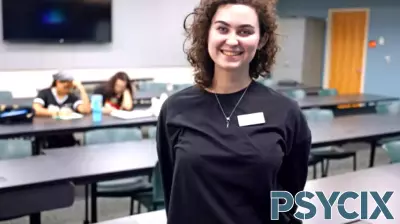
Geisinger Excited About Teaching at SCCKate Geisinger has joined Southeastern Community College as a full-time psychology instructor, bringing with her a strong commitment to student learning and intellectual growth. Geisinger says her...

October 7, 2026 - 03:39
Associate professor of psychology brings evidence-based mental wellness support directly to college studentsKaileigh Byrne, Wallace R. Roy Distinguished Associate Professor of psychology in the College of Behavioral, Social and Health Sciences, has spent years studying how people make decisions under...