Psychology warning: Are you being manipulated in your relationship without realizing it? 5 Machiavellian s
June 5, 2026 - 22:29
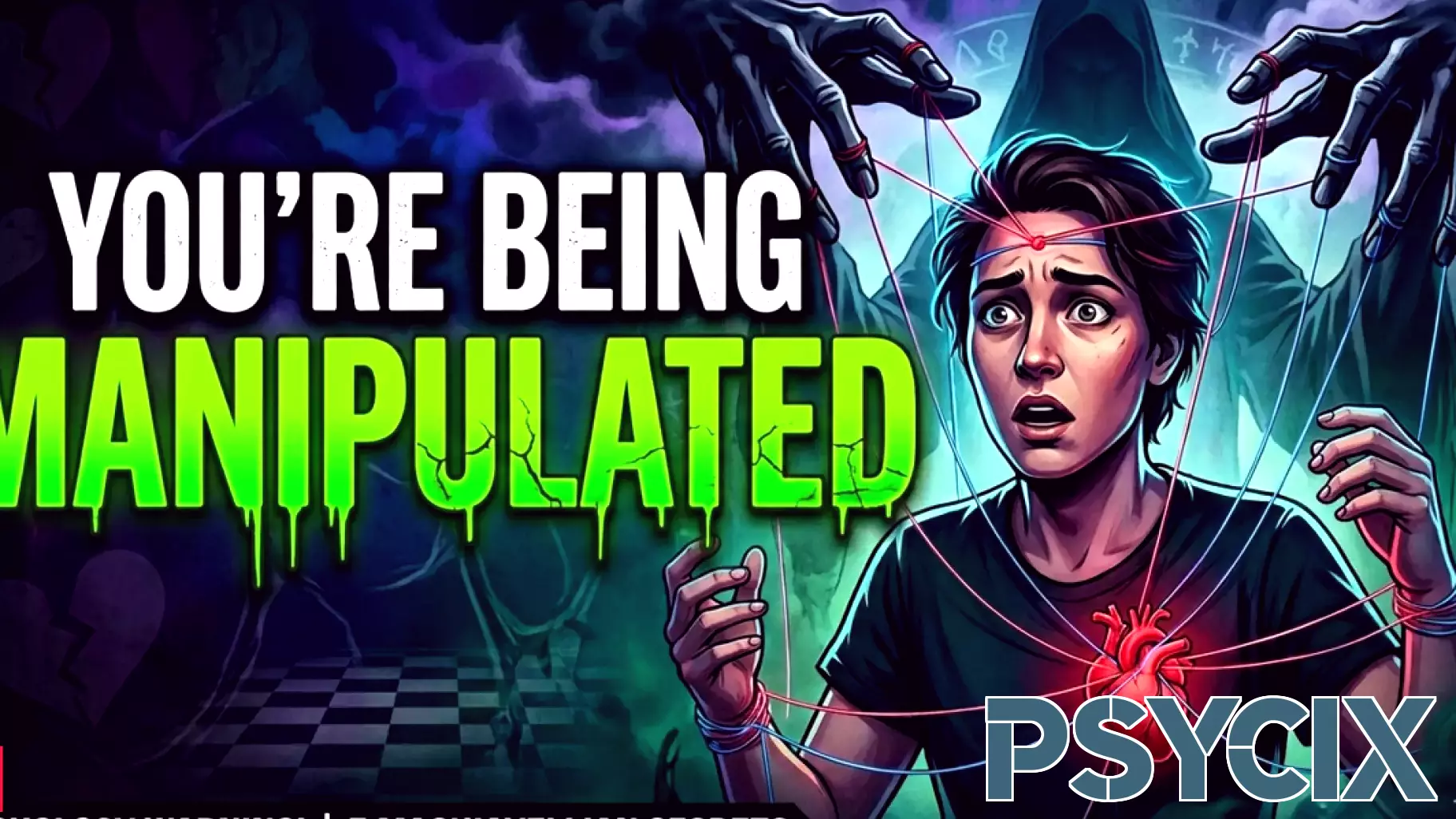
Manipulation in relationships is rarely as obvious as yelling or threats. According to psychologists, the most damaging control often comes through subtle, everyday behaviors that fly under the radar. These patterns exploit basic human needs for connection and validation, making them hard to spot until the damage is done.
One common tactic is intermittent reinforcement. A partner gives affection or attention unpredictably, then pulls away. This inconsistency creates a cycle of hope and anxiety, making the other person work harder for approval. Another sign is the curated identity. Someone presents a perfect version of themselves early on, hiding flaws or disagreements. Over time, the real person emerges, but the partner feels trapped by the initial ideal.
Digital ambiguity also plays a role. Leaving texts on read, posting vague updates, or hiding phone activity creates confusion. This keeps the other person off balance, constantly wondering where they stand. Psychologists warn that these behaviors trigger the same brain responses as addiction, making it hard to leave.
Finally, watch for gaslighting disguised as concern. Phrases like "You are too sensitive" or "I am just trying to help" can erode self-trust. Recognizing these patterns is the first step to reclaiming your emotional freedom.
MORE NEWS

October 19, 2026 - 13:16
Why We Put Off Important Tasks Even When We Know They MatterYou know you have to get it done, yet you keep putting it off. The therapist explains why we procrastinate. Procrastination is often mistaken for laziness, but therapists say the behavior is...

October 18, 2026 - 21:48
Why Friendship Labels Can Create More Problems Than They SolveViral friendship categories have become a popular way for people to describe their social circles, but a psychologist cautions that these labels may cause more harm than good. Terms that...

October 18, 2026 - 06:35
Psychologist Weighs In on Trump's Health RemarksPresident Donald Trump made a rather alarming admission about suffering from some `very severe problems` with his health, and now a psychologist has weighed in with evidence for what some of those...

October 17, 2026 - 17:32
Debunking Common Psychology MythsSpoiler alert: opposites do not attract. That popular belief is just one of many psychology `facts` that turn out to be myths. A closer look at the research reveals several ideas people repeat...