Psychology says soft blocking hurts more than unfollowing because it is rejection without closure: Why Gen
June 15, 2026 - 03:48
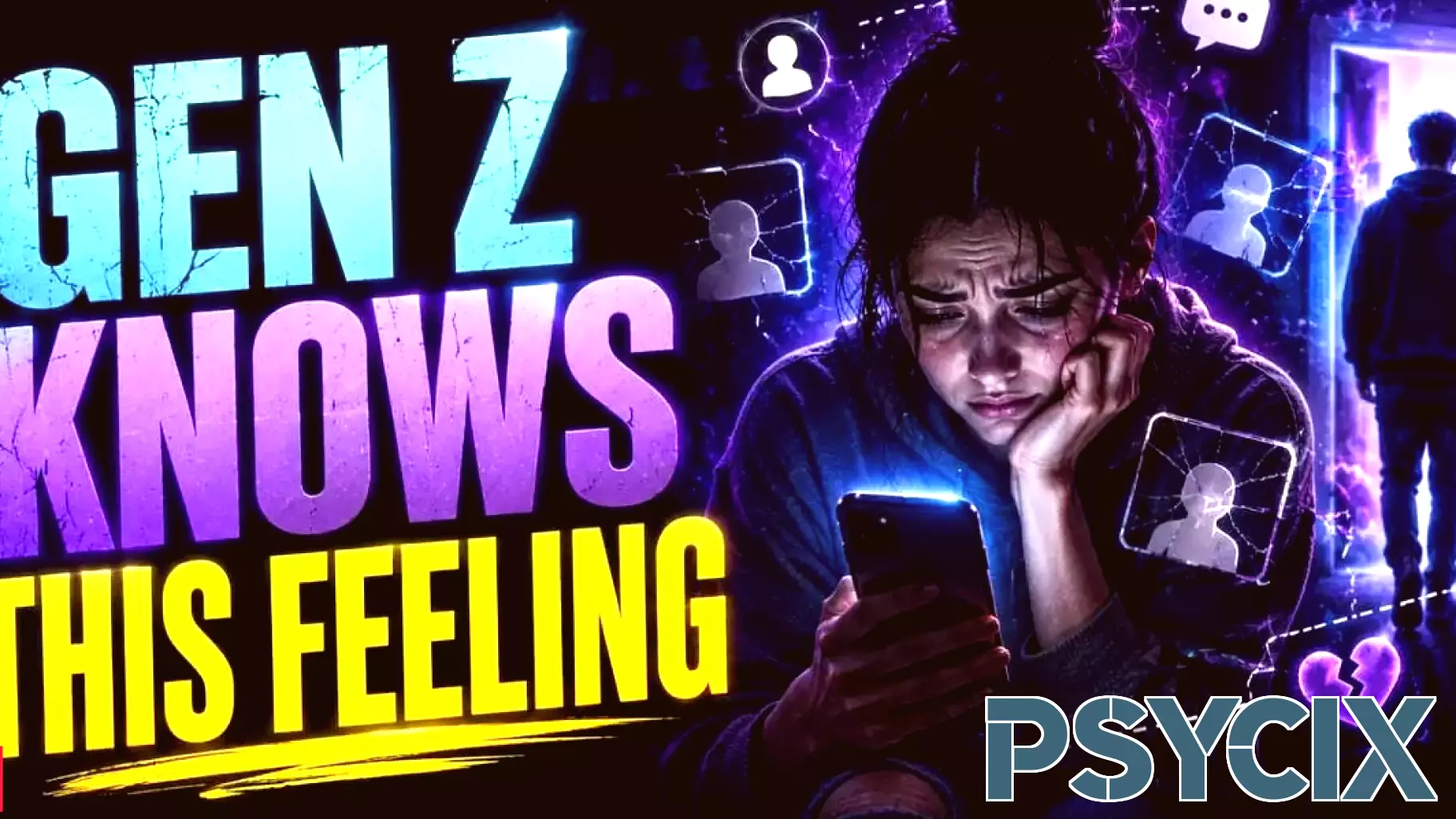
A quiet trend in social media behavior has caught the attention of psychologists, and the findings are not what most users expect. Soft blocking, the act of muting or restricting someone without their knowledge, is now being described as more psychologically damaging than a straightforward unfollow or block. The reason comes down to one thing: closure.
When someone unfollows or blocks a person directly, the message is clear. The relationship, or at least the digital connection, has ended. The person on the receiving end knows what happened and can begin to process the loss. They can assign meaning to it, even if that meaning is painful. Psychology suggests that people tend to process difficult experiences more successfully when they can make sense of what happened and fit it into a clear narrative. Soft blocking, however, often denies that sense of clarity.
With soft blocking, the user simply disappears from a feed or a story viewer list. There is no notification, no confrontation, and no explanation. The blocked person is left to wonder. Did they unfollow me? Did they delete their account? Did I do something wrong? This ambiguity creates a loop of rumination. The brain tries to solve a puzzle that has no solution, and that mental friction can cause more lingering distress than a clean break.
For Gen Z and younger millennials, this tactic has become common. It avoids awkward conversations and lets the blocker maintain a sense of control. But for the person on the other side, it is rejection without closure, a silent signal that something is wrong without any way to fix it or move on. Psychologists note that this kind of ambiguous loss can feel more painful than a definitive one because the brain keeps searching for answers that never come. In the end, a direct unfollow, though harsh, may actually be the kinder option.
MORE NEWS

October 27, 2026 - 22:16
Rethinking Your Space Without Breaking the BankImproving your spaces doesn`t need to be expensive or fancy. It just needs a little reorganizing. That simple idea sits at the heart of a growing interest in how our surroundings shape the way we...
October 27, 2026 - 00:10
Why We Are Drawn to Stories About Ordinary People Doing Terrible ThingsThe Stanford prison experiment has fascinated the public for decades, and it keeps returning in new forms. A new Netflix production revisits the notorious 1971 study, in which college students were...
October 26, 2026 - 00:43
Creators of "The New Stanford Prison Experiment" Explain Its Surprising ConclusionThe finale of `The New Stanford Prison Experiment` takes a far more hopeful turn than the original 1971 study led by Stanford psychology professor Philip Zimbardo. That first iteration of the...
October 25, 2026 - 02:32
Study Links Peer Victimization to Negative Self-Image in TeensTeenagers who experience bullying and other forms of peer victimization tend to develop more negative views of themselves as they move through adolescence, according to new research. The study...