Psychology says people who love their dogs like their children aren’t obsessed, their brains may be wired
June 9, 2026 - 19:51
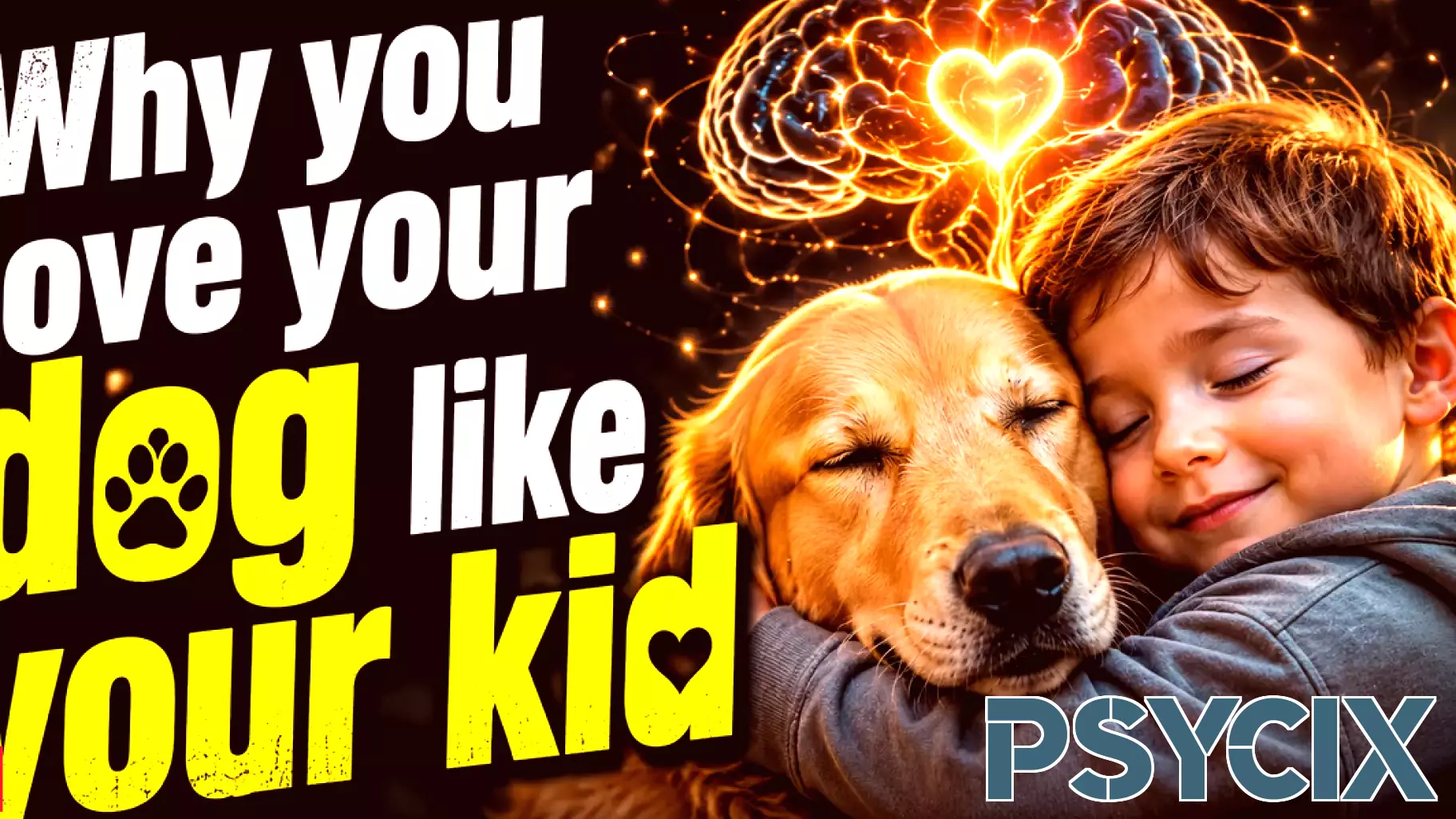
A growing body of psychological research indicates that people who view their dogs as children are not simply eccentric or overly attached. Instead, their brains may be naturally wired for that deep bond. The key takeaway is that a deep emotional connection with dogs is rarely irrational. It is rooted in several well-established psychological mechanisms, including attachment patterns, caregiving instincts, positive emotional reinforcement, and the human need for social connection.
Scientists point to the oxytocin loop, a hormonal feedback system that strengthens bonds between mothers and infants. When a person looks into their dog's eyes, both human and canine experience a surge in oxytocin, sometimes called the love hormone. This same chemical reaction occurs between human parents and their babies. The effect helps explain why many owners describe their feelings as parental rather than merely friendly.
Beyond hormones, the brain's reward centers also play a role. Interacting with a dog triggers dopamine release, the same neurotransmitter linked to pleasure and reward. This creates a cycle of positive reinforcement that makes the bond feel essential. dogs fulfill a basic human need for unconditional acceptance and nonjudgmental companionship, which can be harder to find in human relationships.
Researchers emphasize that this wiring is not a sign of obsession. It is a natural extension of the human capacity to form strong attachments. While some critics may dismiss the behavior as overindulgent, the science suggests that loving a dog like a child is a healthy expression of empathy and bonding. For many people, the relationship with a pet provides stability, comfort, and a sense of purpose that is both real and biologically supported.
MORE NEWS

September 13, 2026 - 04:58
The Psychology Behind Why Women Follow 10-Step Skincare RoutinesA 10-step skincare routine can serve different psychological purposes, from self-care and personal identity to habit, enjoyment and a sense of competence or control. For some people, it may also...

September 12, 2026 - 00:51
A Psychologist's Simple Approach to Mending a Struggling RelationshipA psychologist says staying curious about your partner and asking better questions can help long-term relationships feel connected again. The advice centers on a habit many couples lose over time:...

September 11, 2026 - 18:17
Why You Forget to Wish Happy Birthday Even When It Is on Your CalendarForgetting to wish someone does not necessarily mean that the relationship matters less to you. Research on prospective memory shows that people can fail to remember important intentions,...

September 11, 2026 - 03:43
Psychology says people who work even when they are ill and don’t take a leave may be trapped in a cycle ofMany employees show up to work even when they are sick, and psychology suggests this behavior is not simply about dedication. People who continue working despite being ill may be driven by a strong...