Our Parents Don’t Have 401(k)s, They Have Children
March 6, 2026 - 23:33
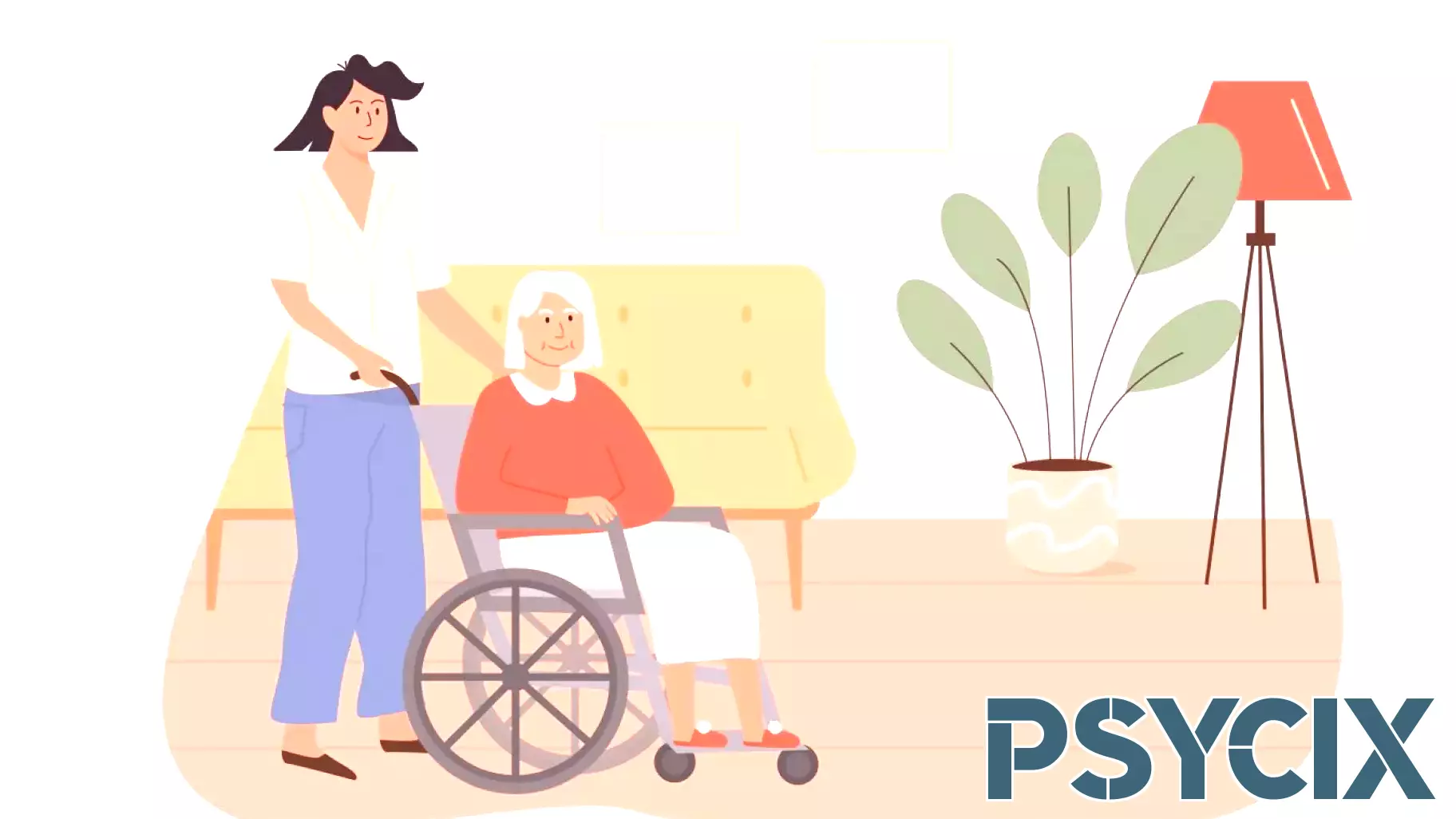
For many immigrant households, the traditional American model of retirement savings is replaced by a deeply rooted cultural expectation: children are the ultimate safety net. As parents age, adult sons and daughters often find themselves at the center of a complex web of financial support and hands-on caregiving, a responsibility that intertwines love, duty, and significant economic pressure.
This system raises profound questions that extend far beyond bank accounts. It challenges Western notions of individualism, placing family interdependence at the forefront. Adult children grapple with balancing their own financial futures—including personal savings, mortgages, and their children's education—with the direct costs of supporting their parents. These can include medical bills, housing modifications, and even direct contributions to living expenses.
The emotional landscape is equally complex. Feelings of honor and gratitude coexist with stress and, at times, resentment. Sibling dynamics are tested as families negotiate who contributes what, whether it's money, physical care, or logistical management. This arrangement, while a source of familial strength, also highlights gaps in social safety nets and the universal challenge of aging with dignity. It underscores a reality where filial piety is not just a cultural value but a practical, and often demanding, financial plan.
MORE NEWS

October 18, 2026 - 06:35
Psychologist Weighs In on Trump's Health RemarksPresident Donald Trump made a rather alarming admission about suffering from some `very severe problems` with his health, and now a psychologist has weighed in with evidence for what some of those...

October 17, 2026 - 17:32
Debunking Common Psychology MythsSpoiler alert: opposites do not attract. That popular belief is just one of many psychology `facts` that turn out to be myths. A closer look at the research reveals several ideas people repeat...
October 17, 2026 - 06:31
The Psychology Behind Why People Enjoy Being ScaredThere are two kinds of people in October: those who count down the days until they can visit a haunted house, and those who would rather spend the evening anywhere else. For the first group, the...

October 16, 2026 - 17:10
How Psychological Stress Sets Off Arthritis Flares Through an Inflammatory PathwayPsychological stress has long been associated with worsening symptoms in rheumatoid arthritis (RA). However, the underlying mechanism connecting psychological stress to the occurrence of joint...