OSU Psychology Ph.D. Students Gain Practical Experience While Supporting Campus Mental Health
December 27, 2025 - 15:27

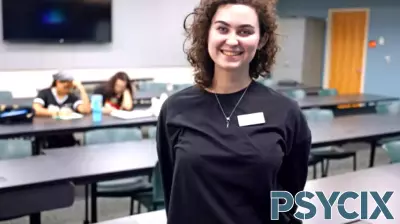
For the first time, clinical psychology Ph.D. students at Oregon State University are gaining invaluable hands-on experience at the newly established Psychology Training Clinic. This initiative allows them to provide treatment to OSU students while being closely supervised by licensed psychologists. This innovative approach not only enhances the training of future psychologists but also offers essential mental health resources to students in need.
The clinic serves as a vital extension of OSU Counseling and Psychological Services, allowing doctoral students to receive referrals and engage directly with their peers. This collaboration aims to address the growing demand for mental health support on campus.
Looking ahead, the clinic plans to expand its services to the greater Corvallis community next year, furthering its mission to promote mental well-being. The initiative has already received positive feedback, highlighting the importance of accessible mental health care for students and the community alike.
MORE NEWS

October 8, 2026 - 15:57
Imitation Is How Children Learn More Than Just WordsWhen a toddler suddenly starts echoing a parent`s words, facial expressions or gestures, it can look like simple mimicry. Developmental psychology research, however, shows that imitation is closely...
October 7, 2026 - 21:42
Geisinger Excited About Teaching at SCCKate Geisinger has joined Southeastern Community College as a full-time psychology instructor, bringing with her a strong commitment to student learning and intellectual growth. Geisinger says her...

October 7, 2026 - 03:39
Associate professor of psychology brings evidence-based mental wellness support directly to college studentsKaileigh Byrne, Wallace R. Roy Distinguished Associate Professor of psychology in the College of Behavioral, Social and Health Sciences, has spent years studying how people make decisions under...

October 6, 2026 - 01:22
Inside the Mind: How SailGP Teams Handle Pressure and Build Winning CulturesThe human side of elite sailing takes center stage in the newest chapter of SailGP`s documentary series Racing on the Edge, created alongside Rolex. This installment shifts focus away from boat...