Legal Maneuvering: Sean Combs' Attorneys Challenge Psychologist's Testimony
April 4, 2025 - 10:43
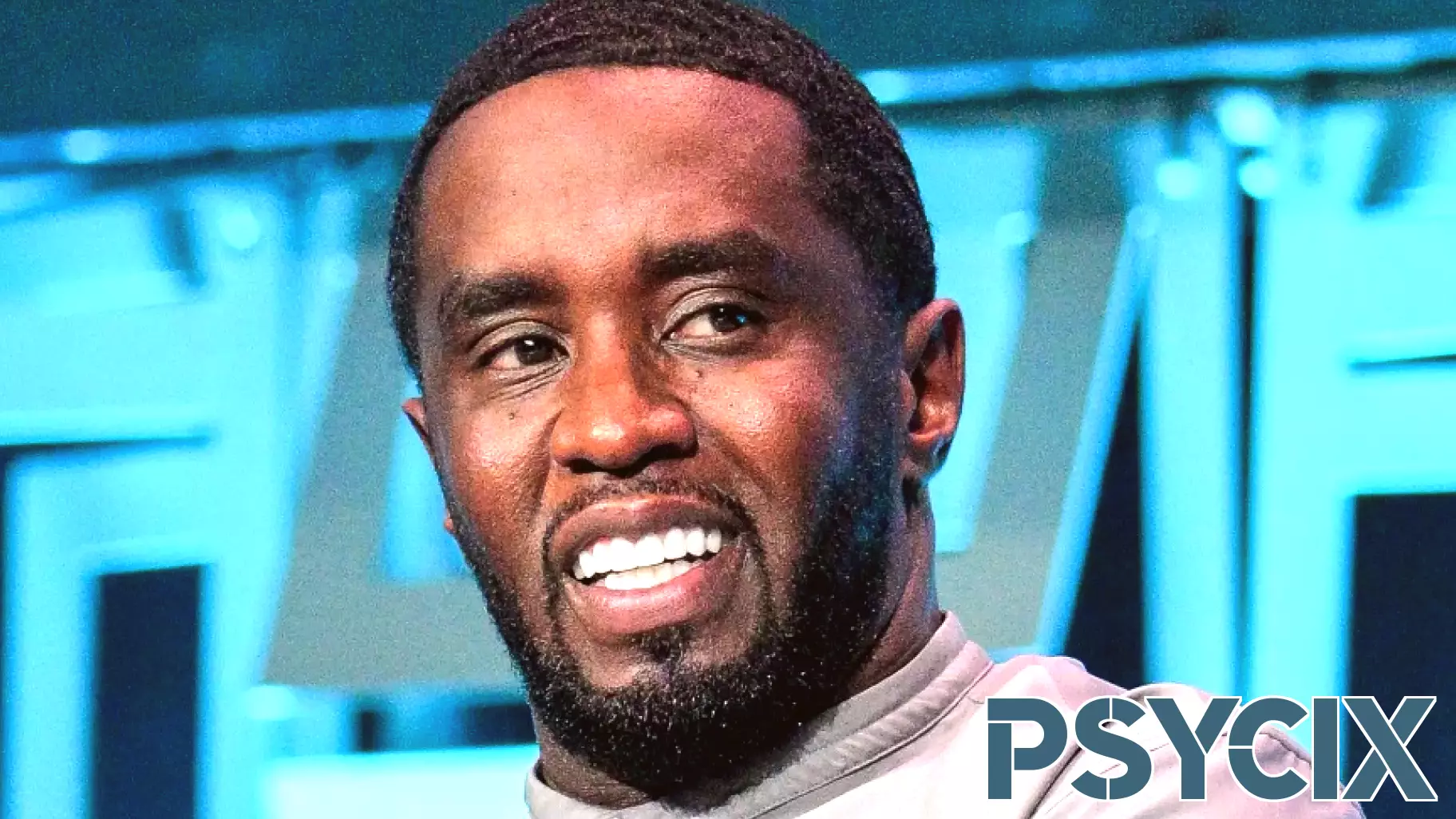
In a significant development ahead of the upcoming trial, attorneys representing Sean Combs are making efforts to prevent psychologist Dawn Hughes from testifying. Hughes, known for her previous work in high-profile cases, provided testimony for the prosecution in the trials of singer R. Kelly and NXIVM sex cult leader Keith Raniere, both of whom were ultimately convicted.
The defense team argues that Hughes' potential testimony could unfairly influence the jury, citing concerns over her methodologies and the implications of her findings. They contend that her involvement could introduce biases that may affect the trial's outcome. As the trial date approaches, the battle over expert testimony is heating up, with both sides preparing to present their arguments before the court.
The outcome of this motion could have significant implications for the trial's proceedings and the overall strategy of Combs' defense. As the legal landscape evolves, all eyes remain on the courtroom as this high-stakes case unfolds.
MORE NEWS

October 8, 2026 - 15:57
Imitation Is How Children Learn More Than Just WordsWhen a toddler suddenly starts echoing a parent`s words, facial expressions or gestures, it can look like simple mimicry. Developmental psychology research, however, shows that imitation is closely...

October 7, 2026 - 21:42
Geisinger Excited About Teaching at SCCKate Geisinger has joined Southeastern Community College as a full-time psychology instructor, bringing with her a strong commitment to student learning and intellectual growth. Geisinger says her...

October 7, 2026 - 03:39
Associate professor of psychology brings evidence-based mental wellness support directly to college studentsKaileigh Byrne, Wallace R. Roy Distinguished Associate Professor of psychology in the College of Behavioral, Social and Health Sciences, has spent years studying how people make decisions under...

October 6, 2026 - 01:22
Inside the Mind: How SailGP Teams Handle Pressure and Build Winning CulturesThe human side of elite sailing takes center stage in the newest chapter of SailGP`s documentary series Racing on the Edge, created alongside Rolex. This installment shifts focus away from boat...