Keynote Speaker Announced for 50th Carolinas Psychology Conference
March 29, 2025 - 04:09
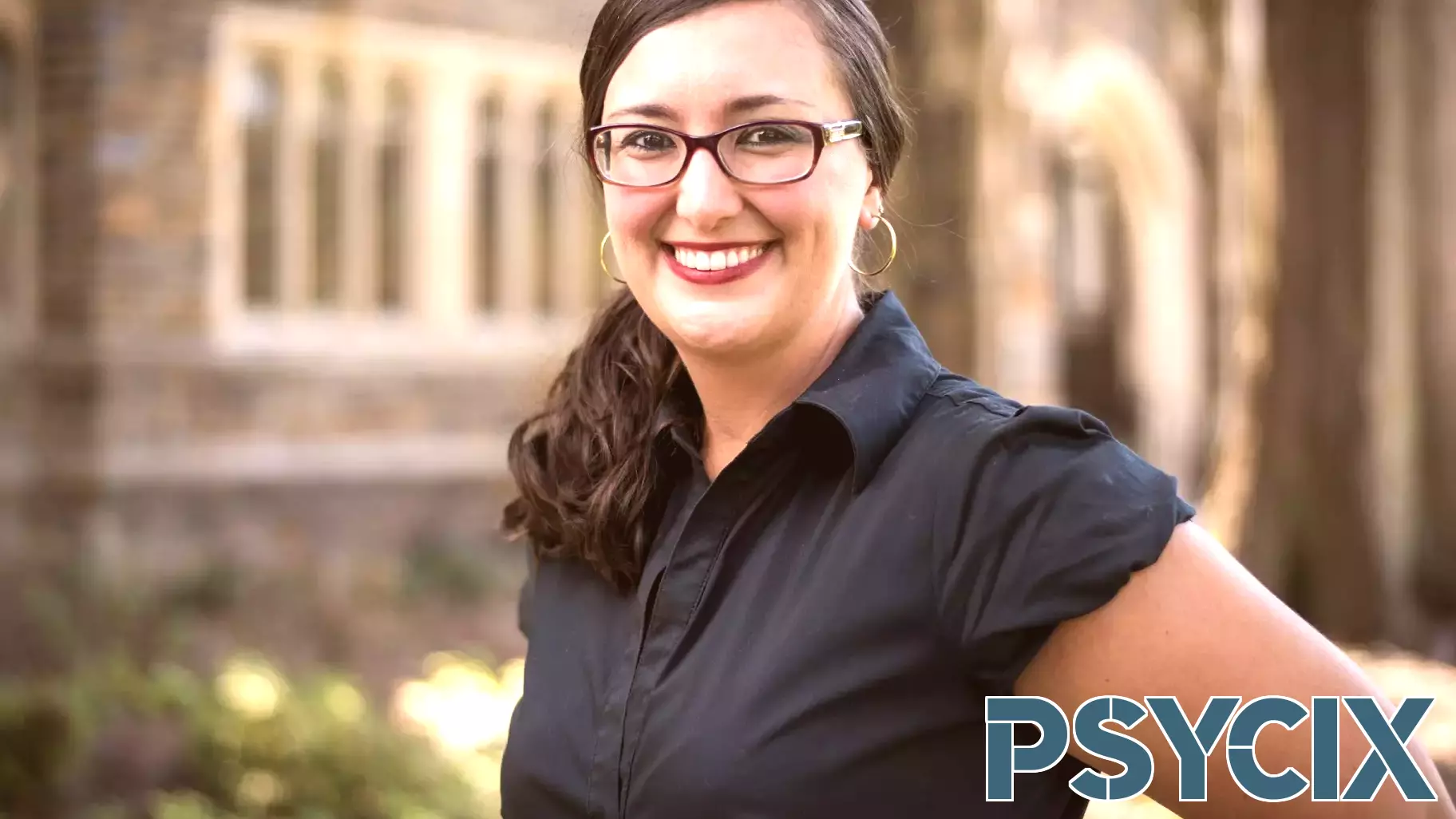
Campbell University’s psychology department has revealed that Dr. Sarah Gaither will be the keynote speaker at the upcoming 50th Carolinas Psychology Conference. This prestigious event, which celebrates five decades of psychological research and practice in the Carolinas, will take place in Buies Creek.
Dr. Gaither, a highly respected figure in the field of psychology, is known for her innovative research on social identity and intergroup relations. Her work has significantly contributed to the understanding of how individuals navigate their identities within diverse social contexts.
The conference will gather professionals, scholars, and students from various backgrounds to engage in discussions, share insights, and explore the latest developments in psychology. Attendees can expect a rich program filled with workshops, panel discussions, and networking opportunities.
The inclusion of Dr. Gaither as the keynote speaker underscores the conference's commitment to fostering dialogue on critical issues in psychology and promoting collaboration among mental health professionals across the region.
MORE NEWS

October 9, 2026 - 01:11
Psychology Professors Raise Concerns About AI Dependence in StudentsPsychology professors are expressing growing concern that students` increasing reliance on artificial intelligence tools may be weakening essential cognitive and academic skills. In a recent...

October 8, 2026 - 15:57
Imitation Is How Children Learn More Than Just WordsWhen a toddler suddenly starts echoing a parent`s words, facial expressions or gestures, it can look like simple mimicry. Developmental psychology research, however, shows that imitation is closely...

October 7, 2026 - 21:42
Geisinger Excited About Teaching at SCCKate Geisinger has joined Southeastern Community College as a full-time psychology instructor, bringing with her a strong commitment to student learning and intellectual growth. Geisinger says her...

October 7, 2026 - 03:39
Associate professor of psychology brings evidence-based mental wellness support directly to college studentsKaileigh Byrne, Wallace R. Roy Distinguished Associate Professor of psychology in the College of Behavioral, Social and Health Sciences, has spent years studying how people make decisions under...