How maternal psychological anxiety could harm a developing fetus
April 9, 2026 - 08:31
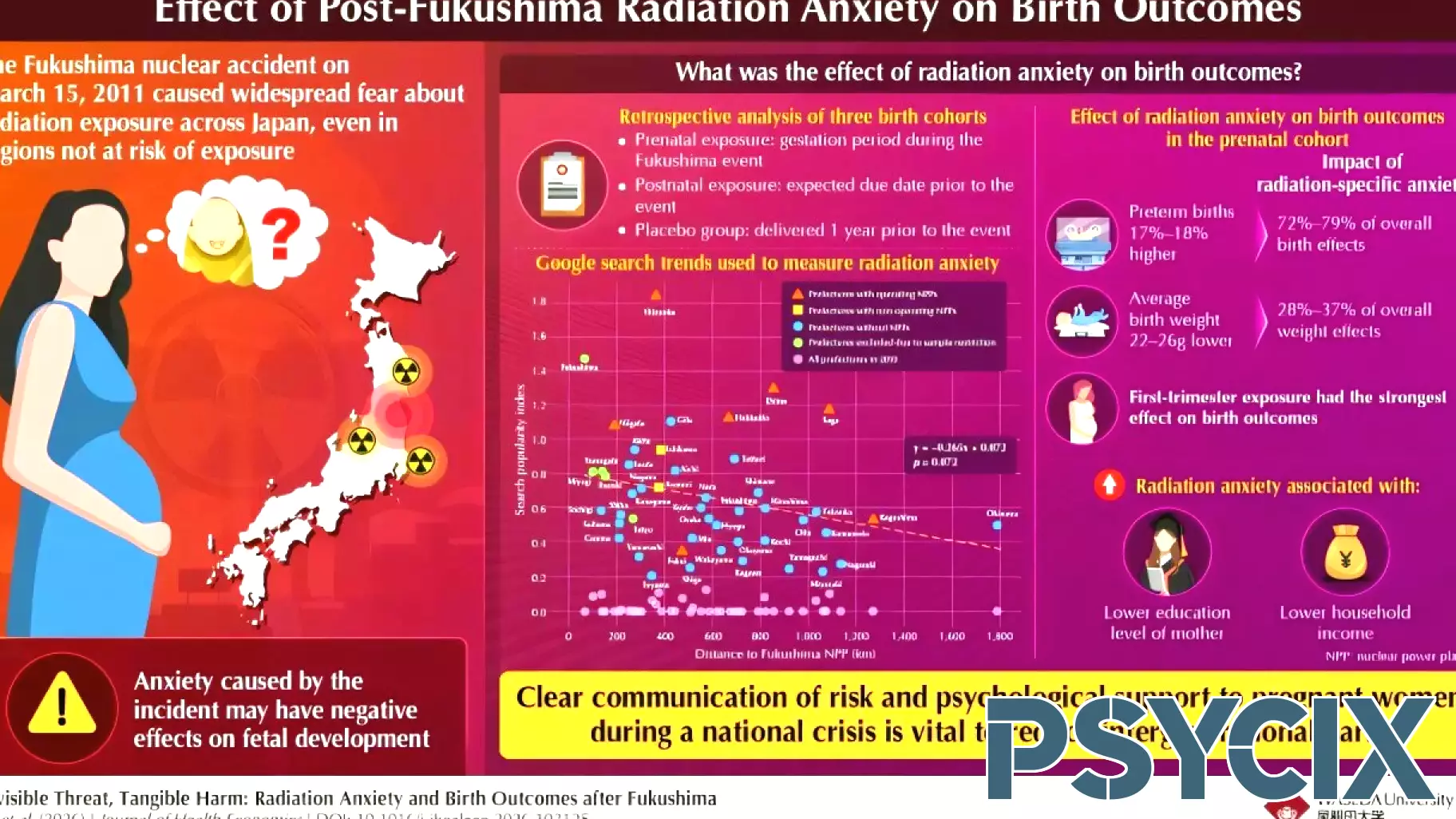
New research is providing clearer evidence that a mother's psychological distress can directly impact the developing brain of her unborn child. While the long-term influence of the prenatal environment has long been recognized, pinpointing the specific effects of maternal anxiety has been scientifically challenging. This is primarily because stressful experiences are highly subjective and difficult to measure consistently.
Advanced studies now indicate that elevated maternal anxiety may alter the neurological development of the fetus. Researchers believe this occurs through changes in the placenta's function and the transmission of stress hormones, which can cross the placental barrier. These biological signals can potentially influence how the fetal brain forms its circuitry and manages future stress responses.
The findings underscore the importance of mental health support as a core component of prenatal care. Experts emphasize that addressing maternal anxiety is not solely for the mother's wellbeing but is a crucial intervention for the child's future neurological health. This growing body of research advocates for accessible psychological resources for expectant mothers, framing mental wellness as a vital part of ensuring optimal fetal development and long-term outcomes.
MORE NEWS

October 7, 2026 - 03:39
Associate professor of psychology brings evidence-based mental wellness support directly to college studentsKaileigh Byrne, Wallace R. Roy Distinguished Associate Professor of psychology in the College of Behavioral, Social and Health Sciences, has spent years studying how people make decisions under...

October 6, 2026 - 01:22
Inside the Mind: How SailGP Teams Handle Pressure and Build Winning CulturesThe human side of elite sailing takes center stage in the newest chapter of SailGP`s documentary series Racing on the Edge, created alongside Rolex. This installment shifts focus away from boat...

October 5, 2026 - 16:02
‘No Accountability, No Justice, and No Integrity’A bipartisan federal advisory committee has recommended that the U.S. Department of Education suspend its recognition of the American Psychological Association`s accrediting body, citing what...

October 4, 2026 - 17:27
Our Stone Age Minds Are Still EvolvingRecent genetic evidence suggests that our Stone Age brains have evolved since the Neolithic began, and that they are evolving now. For a long time, many researchers assumed that human cognition...