Psychology says people who never cry in front of others aren’t emotionless—they just don’t feel safe letting anything break open
April 6, 2026 - 08:50

Psychology reveals that individuals who never cry in front of others are far from emotionless. Instead, this behavior often stems from a deeply ingrained need for emotional safety and self-protection. For these people, public vulnerability does not equate to catharsis but to perceived risk.
This reluctance to show tears is frequently rooted in past experiences. Perhaps their early emotional expressions were dismissed, punished, or met with discomfort. They may have learned that displaying sadness was a sign of weakness that would be exploited or that it burdened others. Consequently, they build a formidable composure, not from a lack of feeling, but from a history where letting anything "break open" led to negative consequences.
This controlled exterior is a coping mechanism, a way to maintain stability and autonomy in a world that once felt unpredictable. They often process profound emotions intensely in private, proving their depth of feeling is real. Their strength is authentic, but it is a fortress constructed from necessity, not indifference. Understanding this highlights the importance of fostering environments—and relationships—where vulnerability is met with empathy, not judgment, allowing everyone the freedom to experience their full emotional range without fear.
MORE NEWS

October 23, 2026 - 09:38
First-Year Seminar Examines the Psychology Behind Reality TVMillions of people tune into reality TV as a form of entertainment and escapism, watching regular people navigate bizarre scenarios. This year`s new First-Year Seminar, `The Psychology of Reality...

October 22, 2026 - 23:44
Why Investors Keep Getting in Their Own WaySay you buy shares in a company. The price climbs and months later you sell for a healthy profit. Ask why it worked, and the answer is often some version of `I made a good call.` Now imagine the...

October 22, 2026 - 01:07
The personality test grows up: Bettermind relaunches with a Mind Blueprint, five minutes a day and an eight-week clockA personality assessment platform is relaunching with a rebuilt system that trades lengthy questionnaires for short daily sessions and a structured timeline. The new approach centers on what the...
October 21, 2026 - 11:59
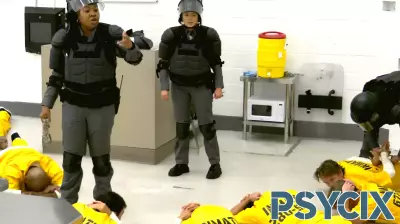
Rethinking the Stanford Prison Experiment: A Kinder Take on a Dark ChapterThe decision to revisit the notorious 1971 Stanford Prison Experiment for a new audience initially sparked widespread criticism. Many questioned why anyone would want to dramatize a study that went...